


Environment
South Asian cities dominate global climate risk rankings
AlphaGeo’s CRRI report ranks Ahmedabad, Hyderabad, Multan, and Dhaka among the world’s most vulnerable cities, revealing South Asia's severe climate adaptation gap
Stay updated with the latest news, in-depth reports, and exclusive coverage from our Environment section. Currently there are a total of 24 articles in this category.
AlphaGeo’s CRRI report ranks Ahmedabad, Hyderabad, Multan, and Dhaka among the world’s most vulnerable cities, revealing South Asia's severe climate adaptation gap

Indonesia deploys aircraft and cloud-seeding operations to battle surging forest fires as toxic haze spreads across the region, closing schools and triggering health warnings in Malaysia

At INZS 2026 in Jakarta, leaders, diplomats, and youth called for urgent decarbonization, turning climate pledges into action amid rising regional risks

South Asia's air pollution crisis causes millions of premature deaths annually. Discover how joining climate mitigation with public health policy can save lives and boost economies instantly

A new Oxford-Leiden study reveals the world’s wealthiest 10% cause up to $5.7T in annual environmental damage, with biodiversity loss outlasting climate costs

Dhaka Jolted by Consecutive Earthquakes, Seismologists Warn of Greater Threat

'We Can’t Breathe': Dozens Detained by Police at India Gate During Delhi Pollution Protest

Gana Unnayan Kendra (GUK) honored for sustainable change and empowerment in hard-to-reach northern char communities.

The Teesta River, once the lifeline of the Rangpur region, has seen its water levels dwindle drastically over the years due to upstream diversions, poor management, and long-standing delays in water-sharing agreements.

Drawing on national temperature and humidity data from 1976–2023 and a fresh 2024 household survey of more than 16,000 people, the World Bank shows alarming trends. Since 1980, Bangladesh’s maximum temperature has risen by 1.1°C, while the “feels like” temperature — which factors in humidity — has surged by 4.5°C.

Venice screens first-ever Rohingya-language feature acted entirely by refugees
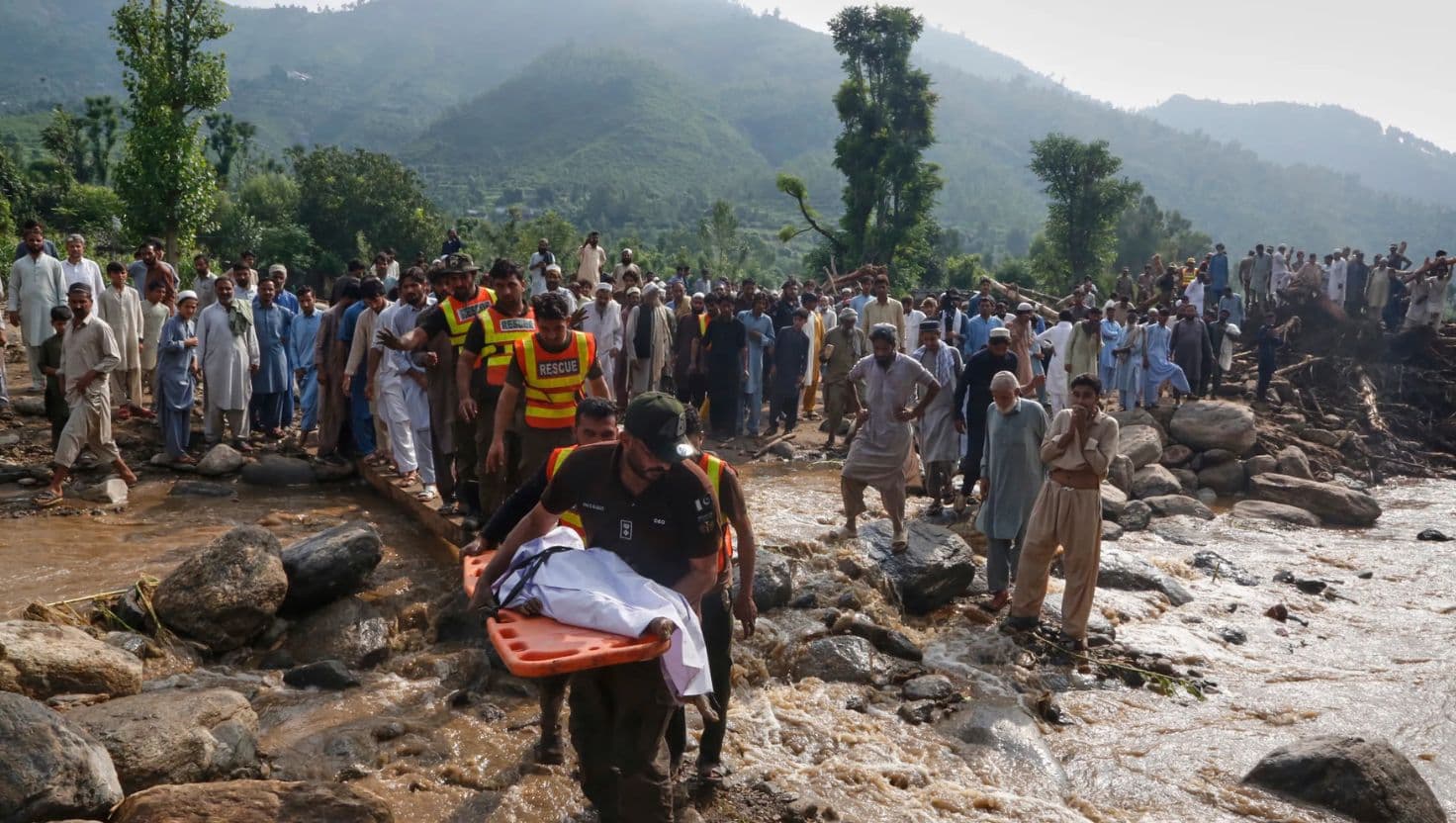
The Provincial Disaster Management Authority confirmed 307 fatalities in Khyber Pakhtunkhwa province, with additional people reported missing. Buner district, north of Islamabad, has been the hardest-hit, with 184 confirmed deaths.
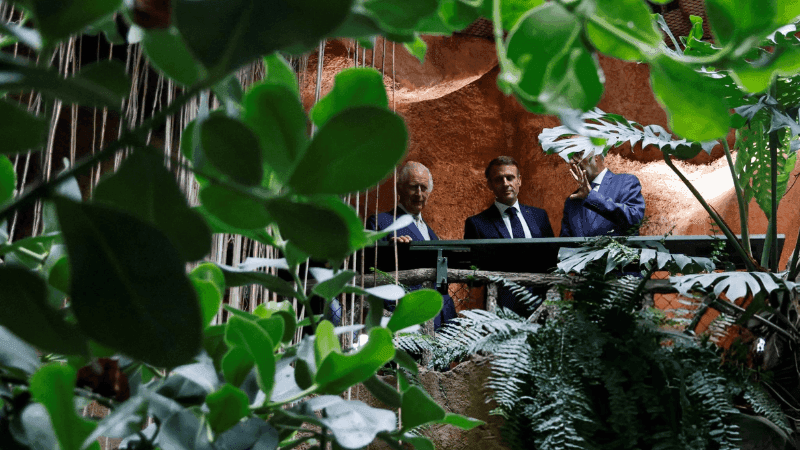
Across South Asia, companies are embracing biodiversity as a core strategy for innovation, resilience, and sustainable growth.

Earth Day cannot become a ritual of greenwashing and tech triumph. It must remain a reckoning — not just with nature, but with how unequally we protect it.

As World Water Day 2025 brings renewed calls for sustainable water management, the harsh reality remains: we are depleting and contaminating our most precious resource faster than we can restore it.

According to the Intergovernmental Panel on Climate Change (IPCC) Sixth Assessment Report, South Asia is among the most vulnerable regions to climate risks, with climate-related fatalities from extreme weather events occurring 15 times more frequently in less developed areas.

Governments, environmental organizations, and local communities are increasingly using satellite imagery, AI-powered tracking, and digital campaigns to combat illegal wildlife trade and habitat destruction. However, real change requires stronger policies, global cooperation, and community-driven conservation efforts.

For decades, developing nations, particularly in Southeast Asia, have borne the brunt of the world's plastic pollution crisis. Until 2017, China was the primary importer of plastic waste, accepting around 8 million tonnes annually from more than 90 nations.

The report highlights that household and outdoor air pollution are the most significant contributors to health problems, responsible for nearly 55% of premature deaths in the country.

The report highlights that regions like Gazipur and Narsingdi are particularly affected, with air pollution cutting more than 6 years from the lives of residents in these areas.