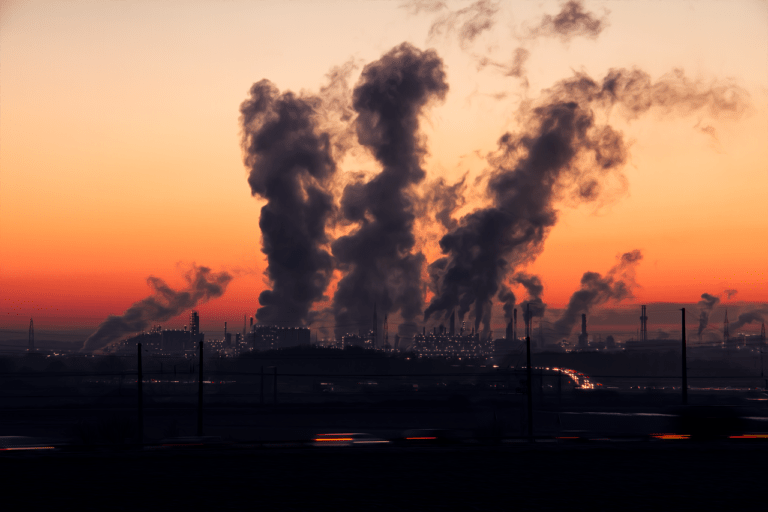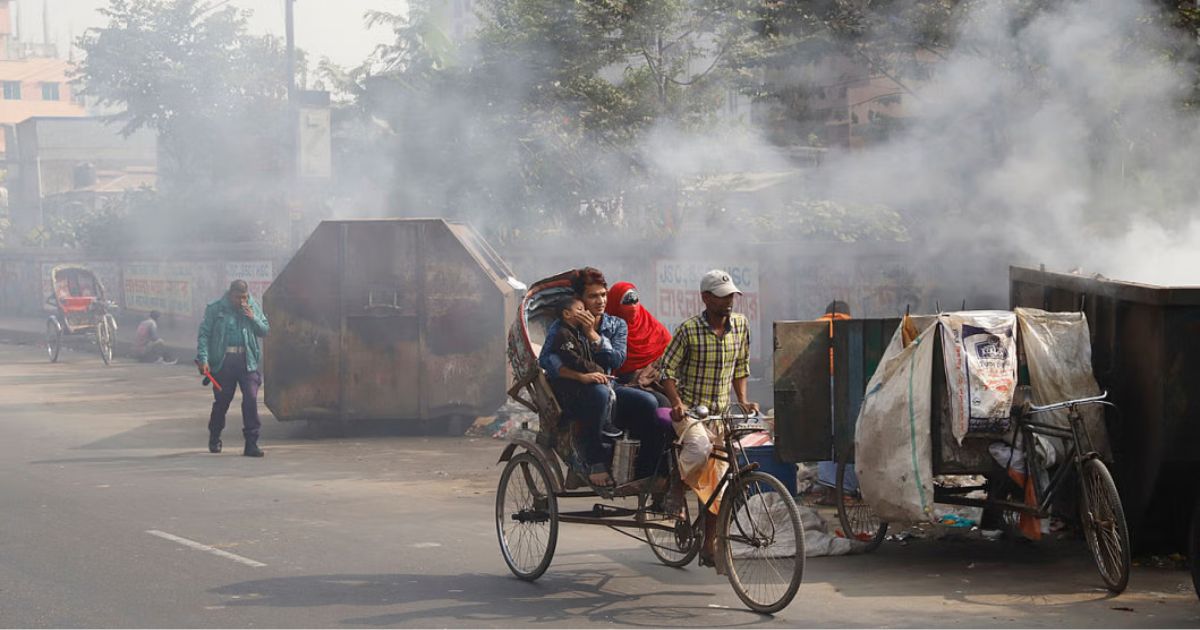
Bangladesh is currently facing a severe environmental crisis, ranking as the most polluted country in the world according to a recent global report. This alarming level of fine particulate air pollution (PM2.5) is significantly impacting the health of its citizens, reducing the average life expectancy of Bangladeshi residents by 4.8 years.
The report highlights that regions like Gazipur and Narsingdi are particularly affected, with air pollution cutting more than six years from the lives of residents in these areas. Across the entire country, every one of Bangladesh's 166.4 million inhabitants is exposed to air quality levels that far exceed the World Health Organization's (WHO) recommended guidelines. Shockingly, 96.8 percent of the population lives in areas that fail to meet Bangladesh's own national air quality standard of 35 µg/m³. Even in Sylhet, the district with the lowest pollution levels, particulate matter is 6.7 times higher than the WHO guideline.
Comparatively, while PM2.5 pollution reduces life expectancy by 4.8 years on average, other health risks such as tobacco use and child and maternal malnutrition reduce it by two years and 1.4 years, respectively.
The report notes a slight improvement in air quality in 2022, with particulate pollution levels decreasing by 22 percent compared to 2021. If this trend continues, the average Bangladeshi could expect to live an additional year compared to the previous decade's pollution levels.
However, in highly polluted districts across Dhaka and Chattogram, 75.9 million people, or 45.6 percent of the nation's population, could lose an average of 5.4 years of life expectancy due to poor air quality. If Bangladesh were to meet WHO guidelines, residents of Dhaka could gain 5.6 years, while those in Chattogram could see an increase of 5.2 years in life expectancy. Even meeting the country's own national standards could result in life expectancy gains of 2.6 years in Dhaka and 2.3 years in Chattogram.
BOB Post