Thailand’s landmark ban on plastic waste imports has officially come into effect, signaling a major victory in the country’s battle against pollution. Announced two years ago and widely debated since 2020, the ban is intended to shield Thailand from being a dumping ground for foreign trash, particularly from Western nations. This marks a pivotal moment for Southeast Asia, a region long burdened with the environmental fallout of global waste mismanagement.
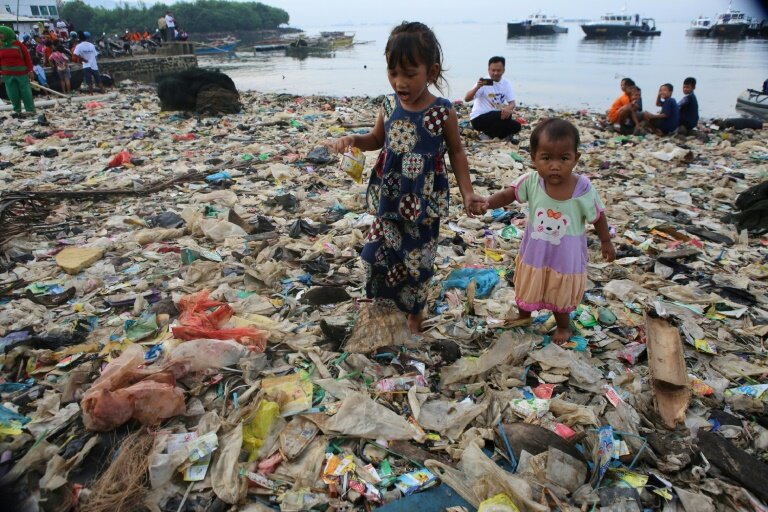
For decades, developing nations, particularly in Southeast Asia, have borne the brunt of the world's plastic pollution crisis. Until 2017, China was the primary importer of plastic waste, accepting around 8 million tonnes annually from more than 90 nations. However, Beijing’s 2018 ban on plastic and other solid waste imports triggered a cascade of consequences. Big waste exporters, including the United States, rerouted their trash to countries like Thailand, Malaysia, and Vietnam. In 2018 alone, Thailand received over 552 million metric tons of plastic waste, a tenfold increase compared to pre-2015 levels.
While Thailand’s ban is a significant step, environmental advocates, including Penchom Sae-Tang, director of Ecological Alert and Recovery-Thailand (EARTH), stress the need for vigilant enforcement to prevent illegal shipments of waste from breaching its borders. “We must remain steadfast bastions of vigilance,” Penchom emphasized, underlining that the ban must translate from policy to practice to shield communities from the toxic consequences of plastic pollution.
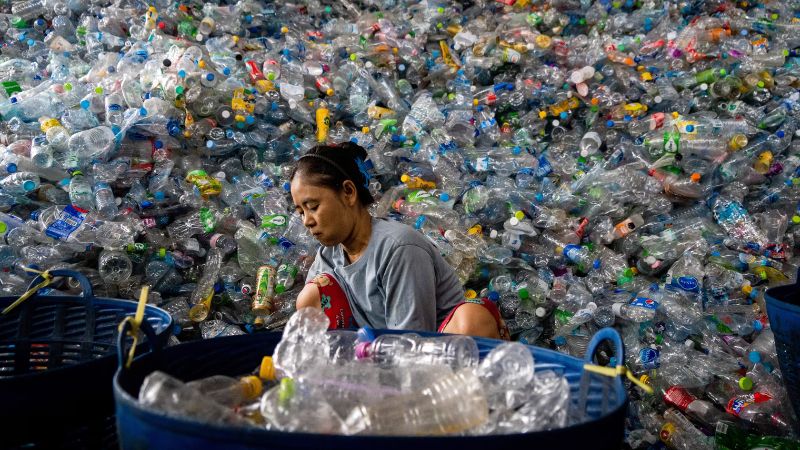
Despite these advancements, Thailand faces a daunting domestic challenge. Ranked among the top ten global plastic polluters, the nation produces about 2 million tonnes of plastic waste annually, with only 25% being recycled. An alarming 50,000 tonnes of improperly managed plastic waste make their way into the ocean each year, earning Thailand the dubious title of the sixth-largest contributor to marine plastic litter worldwide.
Innovation as the Need of the Hour
The fight against plastic pollution demands more than just bans; it necessitates innovative solutions that tackle the root causes of the crisis. Advances in biodegradable plastics, closed-loop recycling technologies, and systems for converting plastic waste into sustainable energy are imperative to curb the growing tide of pollution. Policymakers and industries must prioritize the redesign of plastic products for easier recycling, reduce unnecessary packaging, and foster a global shift toward sustainable alternatives. Without innovation, the world risks perpetuating a cycle of environmental degradation that no single ban can halt.
Global Implications
Thailand’s ban mirrors the urgency of broader global action. The failure of recent UN negotiations in Busan, South Korea, to finalize a binding international treaty on plastic pollution underscores the complexity of the issue. Divergences remain on waste management, production, and design of plastics, leaving nations grappling with the repercussions of unilateral policies. As plastic pollution threatens to outpace coal in carbon emissions by 2030, the need for collective, innovative, and enforceable solutions has never been greater.
Thailand’s bold move serves as both a challenge and a call to action for the global community: the fight against plastic pollution requires not only bans but a paradigm shift in how we produce, use, and dispose of plastics.
Obaidur Chowdhury
BOB Post