An Indian think tank has sought to position the country’s northeastern states as a strategic gateway for expanding New Delhi’s regional influence, placing the region at the centre of discussions on cross-border connectivity, geopolitical competition and frontier security.
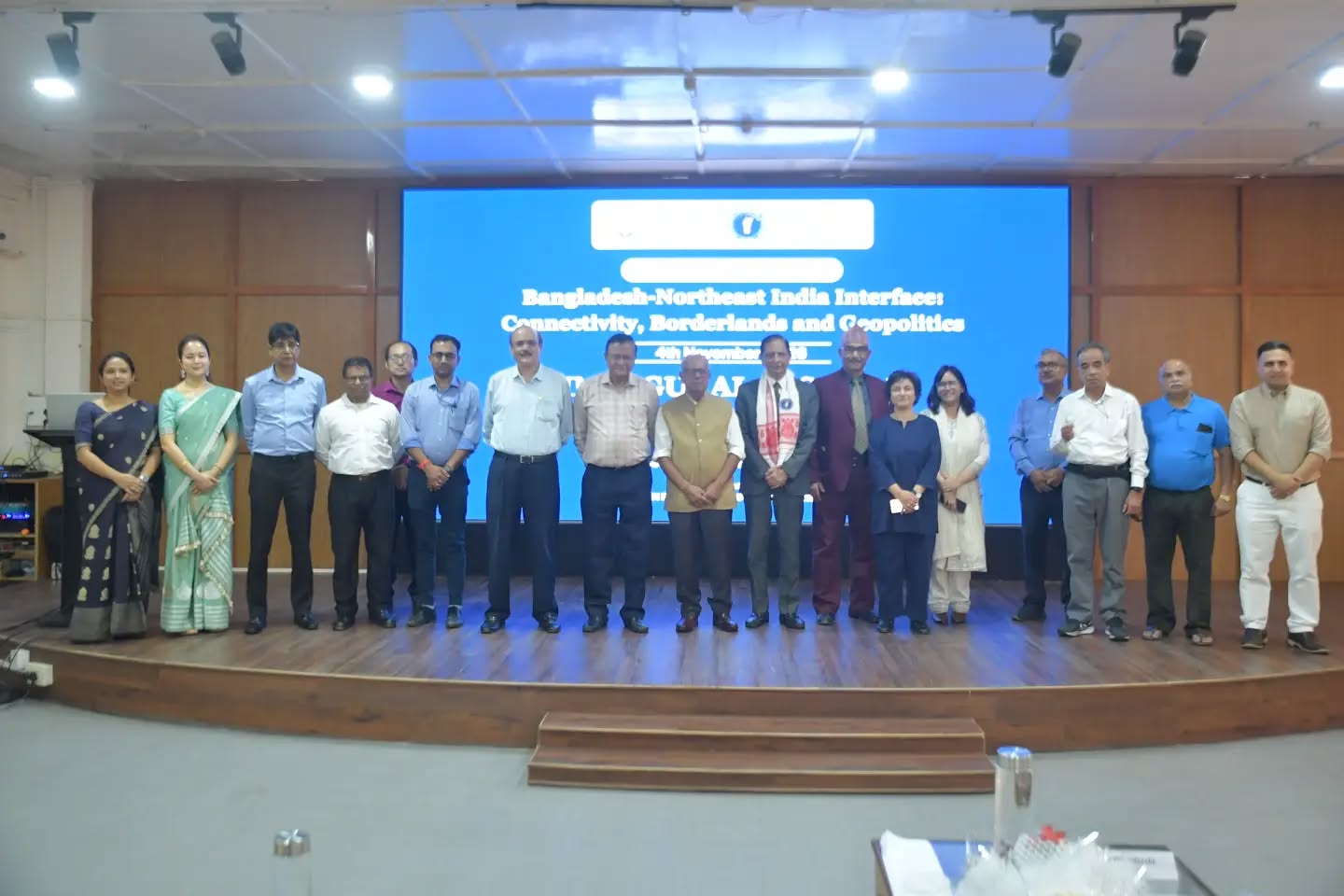
The Chintan Research Foundation (CRF), in collaboration with Girijananda Chowdhury University and Assam Don Bosco University, organized two academic engagements in Guwahati on November 4 and 5. The discussions focused on the geopolitical importance of Northeast India and its potential role in connecting India with Bangladesh and Southeast Asia.
The framing presented the northeastern states not merely as geographically remote border territories, but as strategic assets in India’s regional and international engagement. However, the emphasis on connectivity corridors, access to neighboring countries, border infrastructure and geopolitical competition also highlighted how the region is increasingly being viewed through the lens of New Delhi’s wider strategic ambitions.
At the first engagement, titled “Bangladesh-Northeast India Interface: Connectivity, Borderlands and Geopolitics”, CRF President Shishir Priyadarshi called for sustained engagement with Bangladesh, referring to what he described as the “Woodpecker Approach” of patience and consistent efforts. He also called for greater inclusion of Northeast India’s perspectives in the country’s foreign policy.
The discussions placed particular importance on Bangladesh’s ports, inland waterways and road networks as potential routes for improving connectivity with India’s northeastern states. Participants also examined the Bay of Bengal’s growing geopolitical significance and the influence of external powers, including China, the United States, Japan, Russia, Turkiye and the European Union.
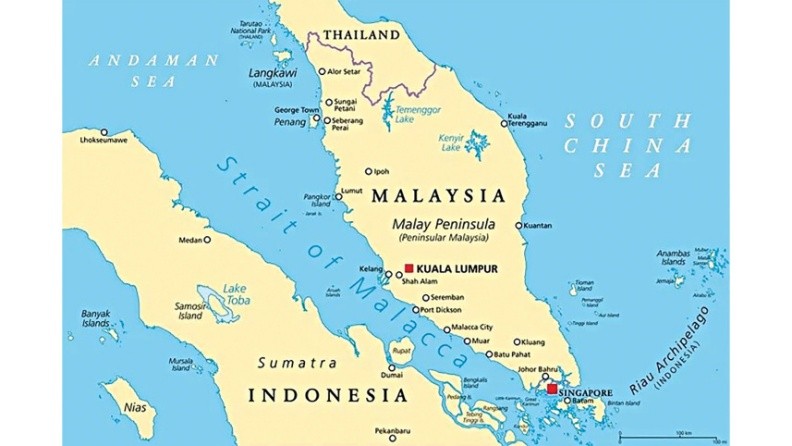
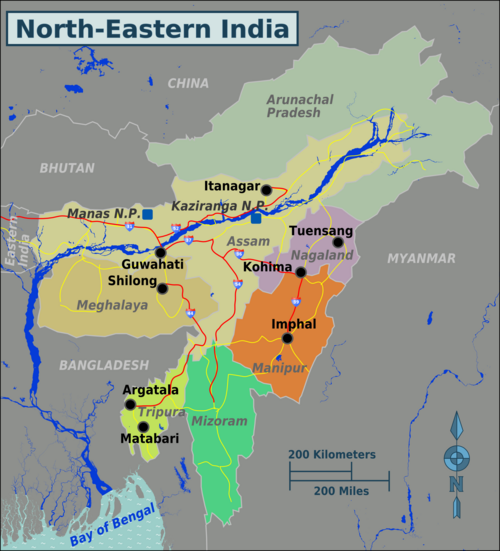
The focus on Bangladesh is significant because India’s northeastern states remain geographically separated from the rest of the country by the narrow Siliguri Corridor. Access through Bangladesh could offer shorter and alternative transport routes, reducing dependence on this strategically sensitive passage. The discussions also referred to the Agartala-Kolkata road link as a possible alternative route.
Other projects highlighted included the Akhaura-Agartala railway link, the India-Myanmar-Thailand Trilateral Highway and the Kaladan Multi-Modal Transit Transport Project. These initiatives are central to India’s efforts to strengthen connectivity with Southeast Asia and advance its Act East policy.
But the strategic language surrounding these projects raises a broader question: whether Northeast India is being developed primarily as a region for its own people or increasingly being treated as an instrument of India’s regional connectivity and geopolitical strategy.
The seminars also addressed China’s growing presence, water security concerns surrounding the Yarlung Tsangpo River, cross-border drug trafficking, the strategic importance of the Siliguri Corridor and the political situations in Bangladesh and Myanmar. Such discussions reflect the extent to which the region is being placed within a wider framework of strategic competition and security concerns.
At the second engagement, titled “India’s Northeast in a Changing Geopolitical Order: Connectivity, Frontier Governance and Strategic Opportunities”, speakers called for a shift away from security-centered approaches towards inclusive development and responsive governance.
Professor Arupjyoti Choudhury, Vice Chancellor of Madhabdev University, emphasized the welfare of marginalized communities and the need to move beyond a narrow security perspective. Other speakers also highlighted the importance of recognizing frontier communities as stakeholders in governance and development.
The organizers' account of the discussions repeatedly referred to local participation, indigenous industries, traditional knowledge, women’s economic participation and youth empowerment. Participants also called for greater involvement of northeastern state governments in shaping India’s external engagement through what is known as para-diplomacy.
Yet the central narrative remained closely tied to India’s strategic priorities: securing alternative routes, improving access to neighboring countries, strengthening border infrastructure and responding to the influence of rival powers.
BOB Post