When reports emerged that Japan was lobbying the Financial Action Task Force (FATF) to remove Myanmar from its high-risk blacklist, the move immediately raised questions. Myanmar remains in the middle of a devastating conflict, its military government remains under international sanctions, and the country has become a major center of cyber scams, money laundering and other illicit activities. Yet Japan appears increasingly unwilling to let Myanmar become strategically isolated from the countries that Tokyo considers important partners.
Reuters reported that Japan was urging FATF to remove Myanmar from its blacklist, arguing that delisting could make financial transactions easier and support economic recovery. FATF, however, kept Myanmar on the blacklist and again cited serious concerns over money laundering and scam-related illicit finance.
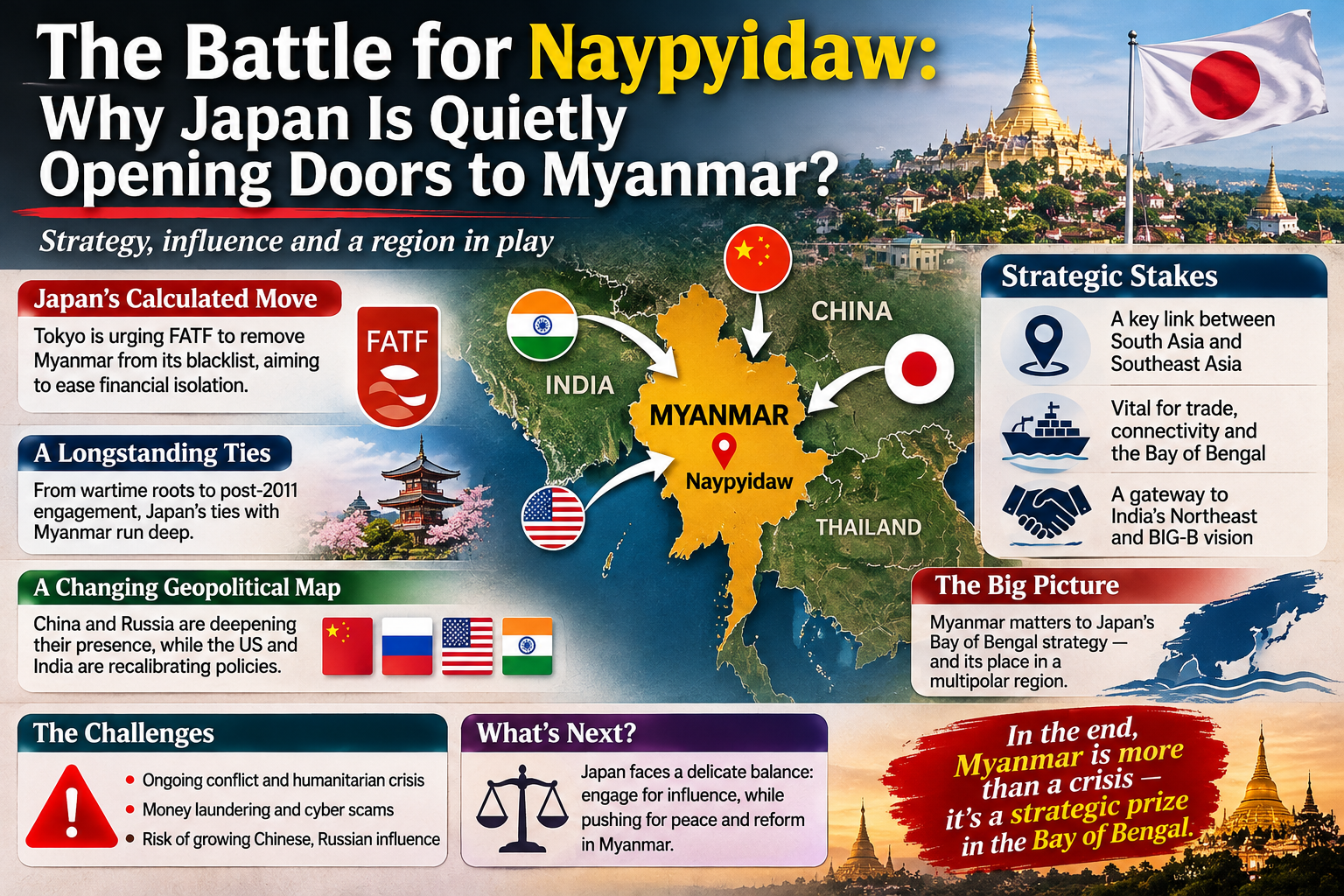
The significance of Japan’s position lies less in whether FATF accepts it and more in why Tokyo is making the argument now. Japan has a long relationship with Myanmar. But today, that relationship is being viewed through a very different geopolitical lens- China and Russia have strengthened their positions in Myanmar, India continues to pursue security and connectivity interests there, and the United States has begun reopening direct channels with the military-backed government.
Against this backdrop, Japan appears to be trying to ensure that Myanmar does not become a country in which its influence and that of its partners steadily disappears.
Japan’s relationship with Myanmar goes back well before today’s Indo-Pacific competition. During the Second World War, Japan trained Burmese nationalists, including the Thirty Comrades led by Aung San. The relationship later turned hostile as Burmese forces fought against Japanese occupation.
After the war, however, Tokyo moved quickly to rebuild ties. Japan and Burma signed a peace treaty and an agreement on reparations and economic cooperation in 1954, establishing the foundation for postwar relations. Japan subsequently became an important source of development assistance and economic cooperation. That history gave Japan a position in Myanmar that was different from the one held by either China or the Western powers.
Japan maintained economic and diplomatic channels even during periods of military rule and international isolation. During Myanmar’s political opening after 2011, Tokyo moved quickly to expand its engagement, including investment, infrastructure and development assistance.
The relationship therefore represents decades of accumulated influence- not simply a post-coup diplomatic calculation.
The strategic environment changed sharply after the February 2021 coup. Western governments imposed sanctions and many international companies reduced their exposure to Myanmar. China, however, maintained its engagement and continued to pursue major economic and strategic interests.
The China-Myanmar Economic Corridor links China’s Yunnan province with Myanmar, while the Kyaukphyu deep-sea port project provides China with an important connection to the Indian Ocean. For Beijing, Myanmar offers both economic opportunities and strategic depth on China’s southwestern flank. Russia has also moved closer to Myanmar since the coup. Military cooperation has become an important part of the relationship, alongside energy and other economic links.
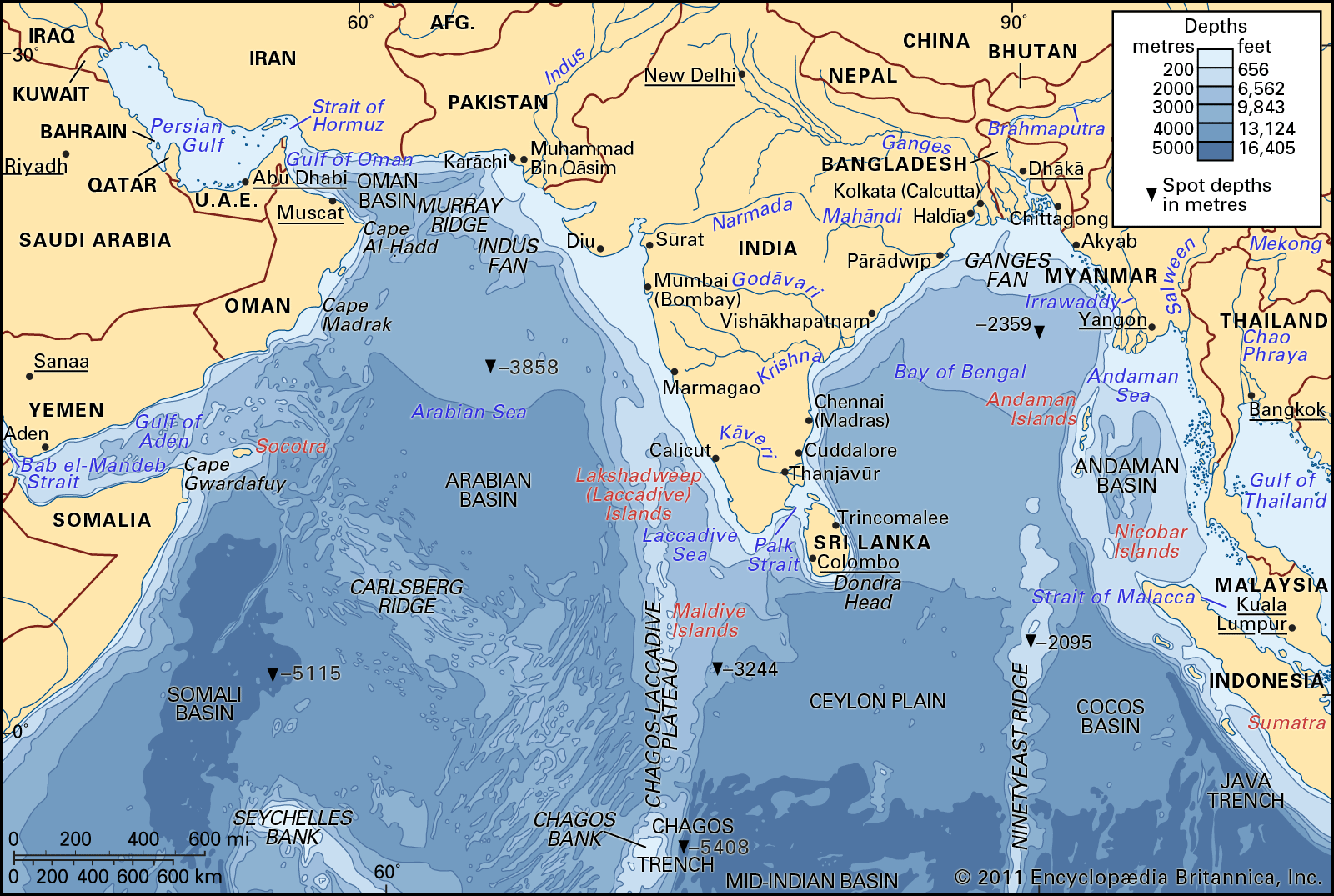
For Japan, the issue is therefore not simply Myanmar’s internal political crisis. It is also the possibility that a country of major geographic importance could become increasingly shaped by China and Russia while Japan’s own influence declines. That is particularly significant for Tokyo because Myanmar sits at the intersection of South Asia, Southeast Asia and the Bay of Bengal.
Japan is not the only US ally reassessing its Myanmar policy. Washington continues to sanction Myanmar’s military leadership and has not abandoned its criticism of the military’s conduct. But the United States has also begun direct talks with Myanmar’s military-backed government.
Reuters reported that US officials held meetings with Myanmar representatives in Naypyidaw and later in Tokyo. The discussions included cyber-scam operations, the release of an American businessman and possible access to Myanmar’s heavy rare-earth resources. The United States has also recently lifted sanctions on the daughter of a Myanmar businessman previously targeted by Washington.
These developments do not amount to US recognition of Myanmar’s military government. Nor do they indicate that Washington has abandoned its sanctions policy. They do, however, show that strategic interests are reopening channels that had largely been closed after the coup. Japan is providing one of those channels.
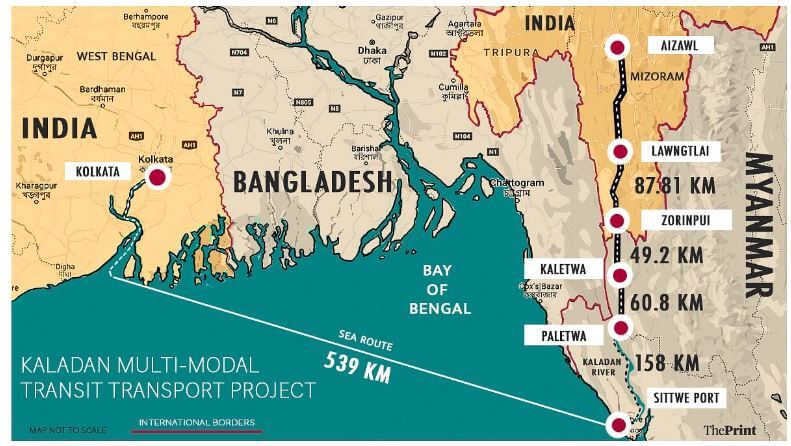
India’s position is driven by geography as much as geopolitics. The two countries share a border of more than 1,600 kilometers. Conflict in Myanmar affects India through armed groups, refugees, drugs, cross-border crime and security concerns in the Northeast.Myanmar is also central to India’s Act East policy. The Kaladan Multi-Modal Transit Transport Project is a clear example. The project is intended to connect India’s Northeast, particularly Mizoram, with Myanmar’s Rakhine State and the Bay of Bengal through sea, river and road links. The project could provide India with an alternative route to its Northeast and strengthen its connection with Southeast Asia. But conflict and instability in Myanmar have repeatedly delayed its progress.
India therefore has practical reasons to maintain engagement with Naypyidaw, even while remaining concerned about the political situation and violence inside Myanmar.
For Japan, this creates another point of convergence. A more connected Northeast India, Bangladesh, Myanmar and Southeast Asia fits into the wider connectivity architecture that Tokyo is trying to develop around the Bay of Bengal.
Japan’s Bay of Bengal Industrial Growth Belt, or BIG-B, adds another layer to the calculation. BIG-B was originally built around Japan’s economic and infrastructure partnership with Bangladesh, including major connectivity and infrastructure projects such as Matarbari.
Japan and Bangladesh have now agreed to develop “BIG-B for Shared Prosperity,” expanding the framework to include connectivity, preparation for disaster and geopolitical risks, public-private partnerships and cooperation for peace and stability.
Myanmar is not a BIG-B project in itself. But geography makes it difficult to ignore. The Bay of Bengal connects Bangladesh and eastern India with Myanmar and the wider Southeast Asian economy. Any long-term effort to strengthen trade, transport and supply-chain links across this space has to consider Myanmar’s territory, ports, roads and political stability. This is why Myanmar matters to Japan’s broader Bay of Bengal strategy.
Myanmar has been on the FATF blacklist since 2022 because of serious weaknesses in its anti-money-laundering and counter-terrorist-financing systems. FATF has continued to identify problems with money-laundering investigations and prosecutions, while scam-related illicit financial flows have become a major concern.
Japan’s reported attempt to ease Myanmar’s financial isolation should therefore be viewed carefully. It does not prove that Tokyo is endorsing the military government. But it does demonstrate that Japan is willing to consider reducing one of the barriers separating Myanmar from the international financial system.
That has economic implications for Japanese companies. More importantly, it has geopolitical implications. If legitimate international business retreats from Myanmar while Chinese, Russian and other networks continue operating, Japan risks losing not only commercial opportunities but also influence.
There is, however, a clear contradiction in this approach. The same Myanmar that Japan wants to remain engaged with is also a country facing a major humanitarian and security crisis. FATF’s concerns about illicit finance are not simply geopolitical arguments. Cyber-scam networks, money laundering and other criminal activities are real problems.
Japan itself continues to publicly call for political progress, an end to violence and dialogue in Myanmar. Following the 2026 election, Tokyo said it remained concerned about the lack of sufficient political progress and would continue pressing for an end to violence and the release of detainees. That makes Tokyo’s position a difficult balancing act.
The larger story is therefore not whether Japan is “supporting” Myanmar. It is about competition for influence. China has deepened its economic and strategic presence. Russia has strengthened military and energy ties. India remains engaged because Myanmar is directly linked to its Northeast and Act East strategy. The United States is reopening selective channels because of issues ranging from cybercrime to rare earths.
Japan is responding in its own way. For Tokyo, Myanmar is no longer simply a country in crisis. It is a piece of the wider Bay of Bengal strategic map—and Japan appears determined not to lose its place on that map.
Editor, Bay of Bengal Post