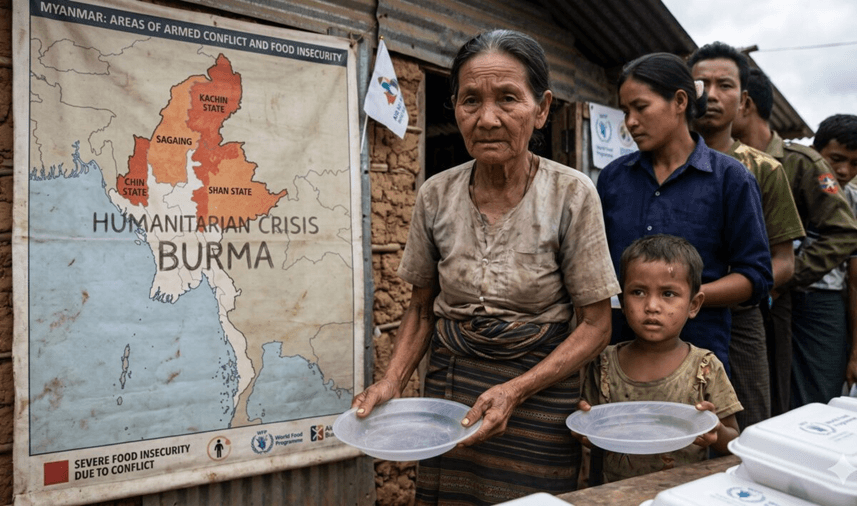
Web reports from various international organizations and research institutes clearly show that paddy fields and agriculture-based supply chains in northern and central Rakhine have broken down due to a lack of manual labor. However, this crisis is not just an economic disaster; it also opens a strategic door of new political possibilities for both Myanmar’s central government and the United League of Arakan (ULA)—the political wing of the Arakan Army acting as the de facto government in Rakhine.
Data from the UN, the World Bank, and other international agencies paint a stark picture of Rakhine’s internal labor market and agricultural breakdown. According to a special report by the United Nations Development Programme (UNDP) titled "Rakhine: A Famine in the Making," severe labor shortages and strict freedom-of-movement restrictions in northern Rakhine, including Maungdaw and Buthidaung, have dismantled rice production and supply networks, pushing the region toward an artificial famine (Source: ReliefWeb - UNDP Report).
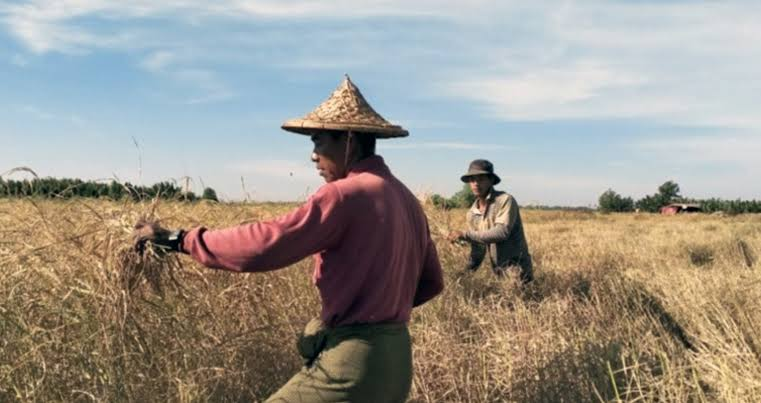
According to the World Food Programme (WFP) and the Food and Agriculture Organization (FAO), Rohingya day-laborers provided nearly 80% of the manual labor for rice farming in Rakhine. Since August 2017, thousands of acres of farmland have remained uncultivated due to a lack of workers for planting and harvesting, driving up local rice prices sharply (Source: WFP / VOA Report on Rakhine Food Shortages and BHRN Field Report on Agricultural Impact).
A labor market review by the World Bank and the International Labour Organization (ILO) notes that violence and displacement led to a severe "human capital depletion" in Rakhine's day-labor-dependent economy. Without enough workers, farming and harvesting costs surged, making agriculture unprofitable for local Rakhine farmers (Source: World Bank Myanmar).
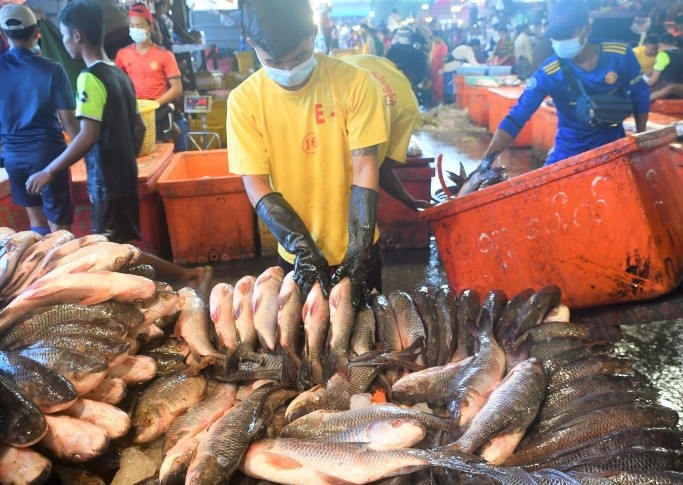
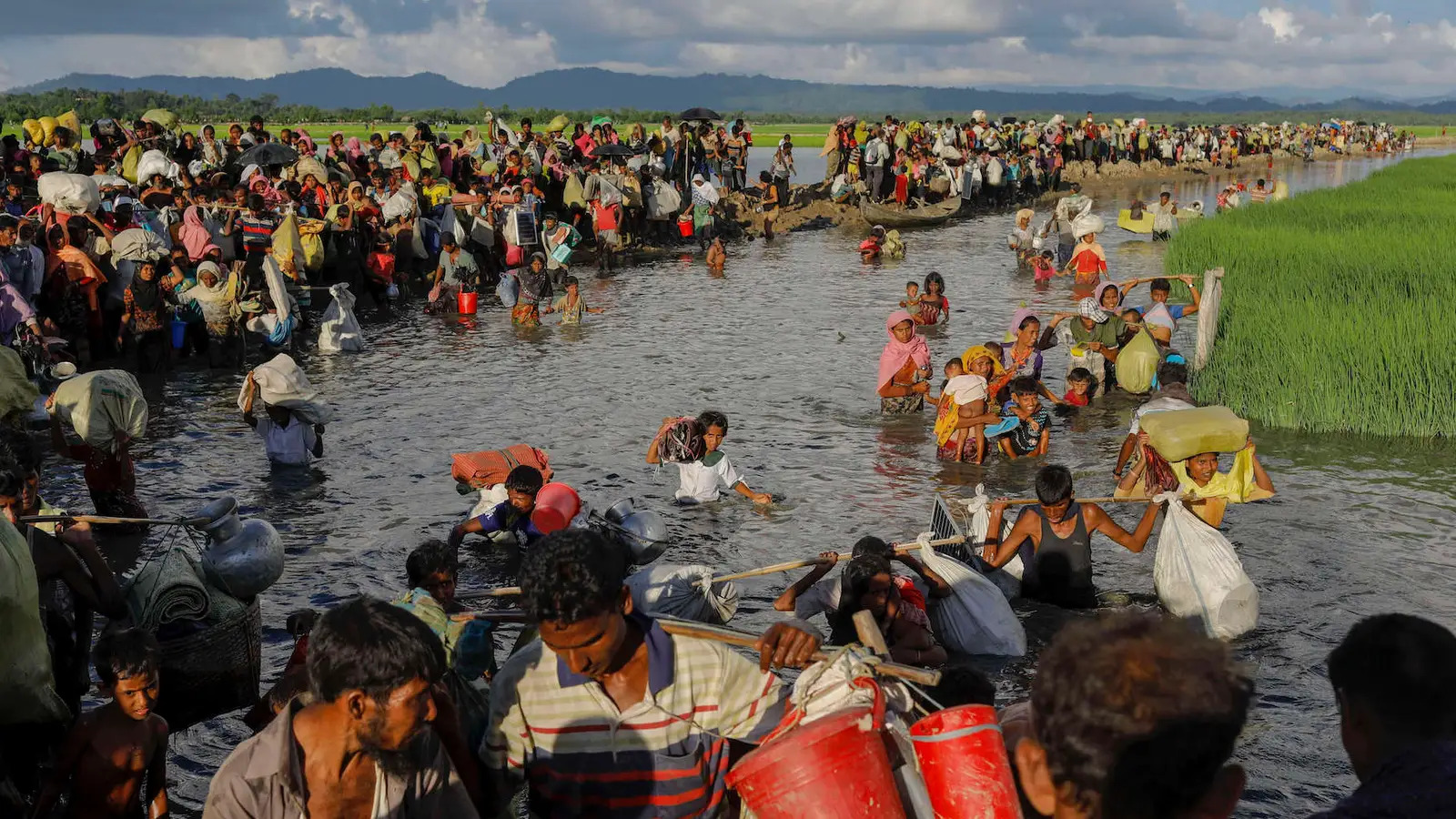
Reports saying that the main reason for the labor crisis is the mass displacement of the Rohingya people from Rakhine State which not only created a severe humanitarian crisis, but also triggered an unprecedented collapse in Rakhine's (Arakan) local economy and agricultural sector.
Direct evidence of this labor gap can be seen across the border in Bangladesh. According to a UNDP Bangladesh study, the arrival of Rohingya refugees in 2017 caused agricultural wages in Cox’s Bazar and Teknaf to drop by 11% to 17%, proving that a massive labor vacuum was created on the Rakhine side of the border (Source: The Daily Star / UNDP Study and RSIS International - Economic Costs of Hosting Rohingya Refugees).
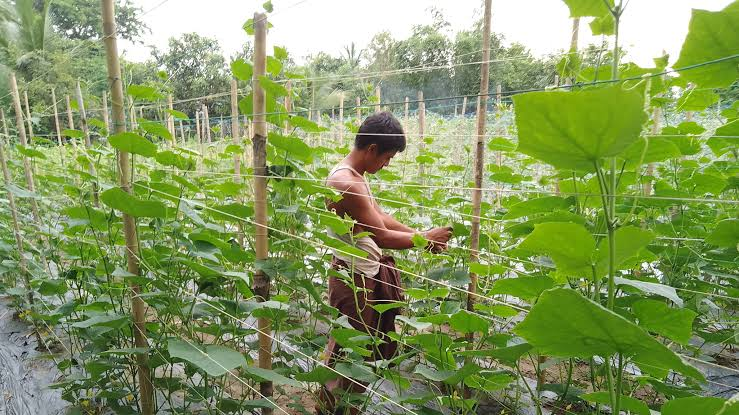
Looking at this harsh economic reality from a forward-thinking perspective, it presents a new opportunity for both the Myanmar government and the United League of Arakan (ULA) to demonstrate political maturity. To make Rakhine State self-reliant and prosperous, its damaged agricultural sector and local markets must be revived immediately. Safely and honorably repatriating the displaced Rohingya population—who were historically the backbone of the local manual labor force—would quickly resolve Rakhine's labor shortage and return uncultivated land to production.
At the same time, leading a clear, safe, and well-planned Rohingya repatriation process is one of the most effective ways for both entities to re-establish themselves as responsible political actors on the global stage.
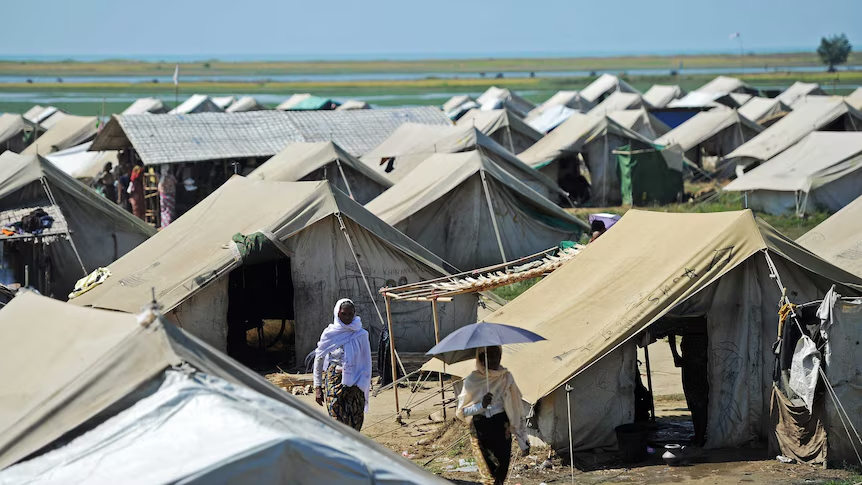
In international diplomacy, initiating Rohingya repatriation offers immense political and economic advantages for the Myanmar government. For years, the Rohingya crisis has subjected Myanmar to severe diplomatic isolation, legal pressure at international courts, and tough Western sanctions. Conducting a transparent, well-organized repatriation process that meets international standards would allow the Myanmar government to present itself as a responsible and humane state. This could help thaw diplomatic and trade relations with the international community—particularly the UN, the European Union, and the United States. Furthermore, it would encourage international investment, ease economic sanctions, and reduce long-standing geopolitical tensions with neighboring Bangladesh, opening up new opportunities for bilateral cooperation in trade and border security.
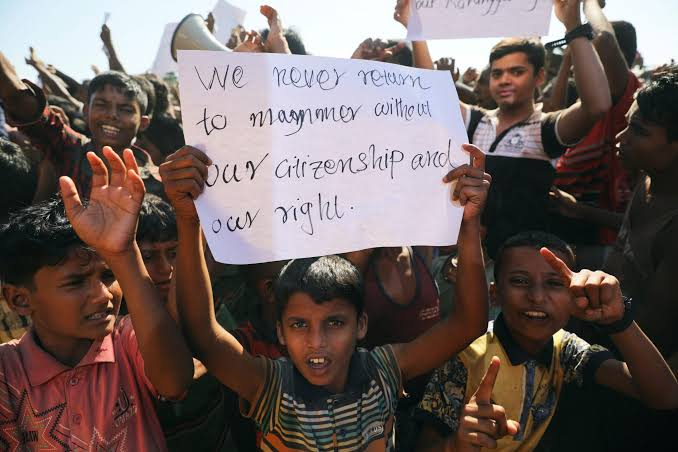
On the other hand, for the United League of Arakan (ULA)—the de facto political authority holding control over Rakhine State—this repatriation is a golden opportunity to solidify its position as a sovereign and widely accepted administration. To prove that it is an effective, well-governed, and economically self-sustaining regional government rather than just an armed or separatist movement, the ULA needs both international legitimacy and economic rebuilding. Safely bringing back the displaced Rohingya labor force to revive Rakhine's damaged agriculture and commerce would alleviate artificial famine and food shortages, strengthening the ULA's administrative stability. Additionally, facilitating a structured repatriation that respects international human rights and humanitarian norms would give the ULA direct diplomatic access to regional and global powers, cementing its role as an indispensable and responsible authority in shaping Rakhine's future.
In conclusion, reviving Rakhine's economy and ensuring regional peace by repatriating and rehabilitating all displaced communities, including the Rohingya, is no longer just a humanitarian issue—it is now an urgent economic and political necessity for Rakhine and Myanmar as a whole. Both the Myanmar government and the United League of Arakan (ULA) should seize this opportunity to launch an inclusive and safe repatriation process, playing a historic role in restoring overall stability, prosperity, and Myanmar’s global standing
Author : Peace and Development Observer