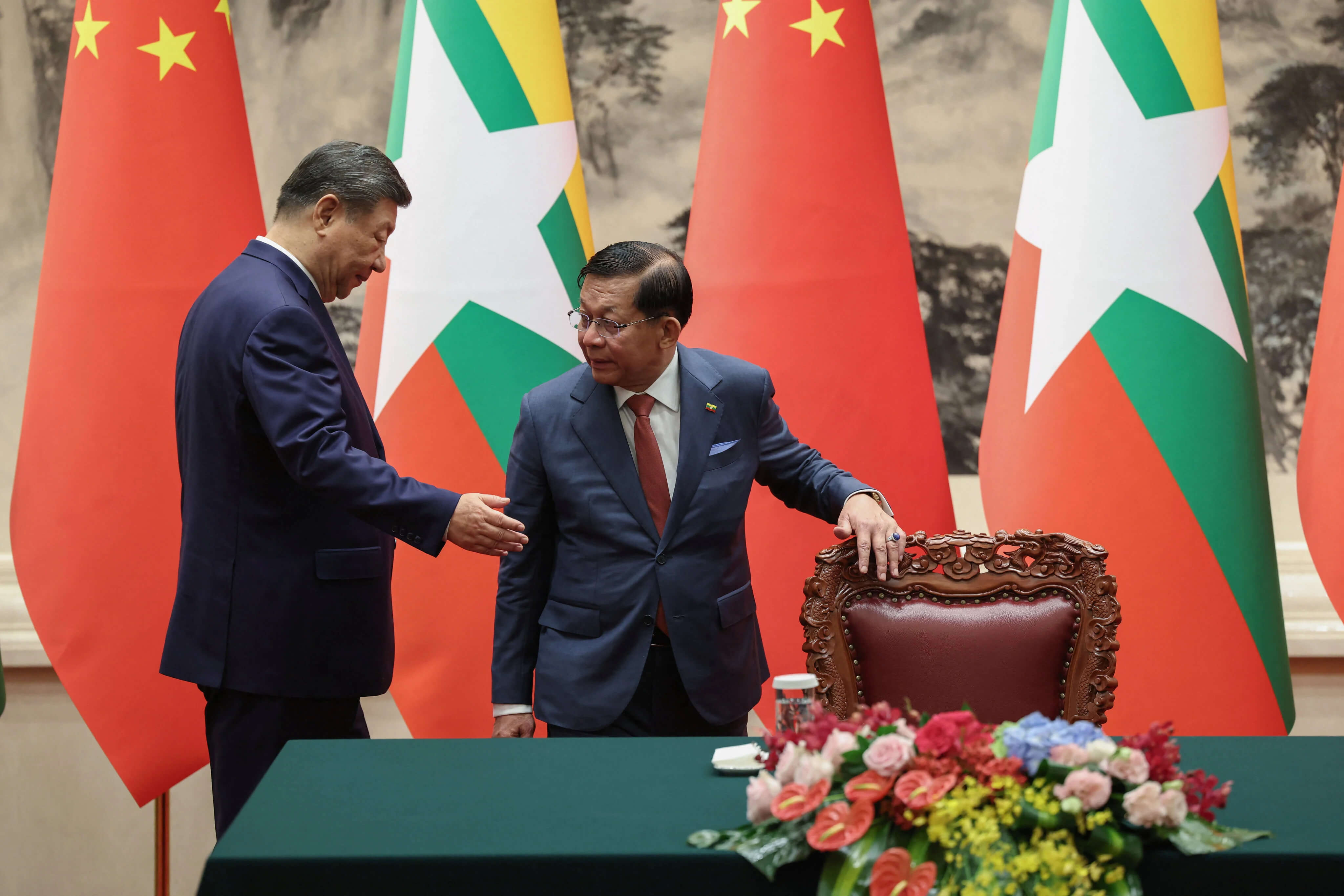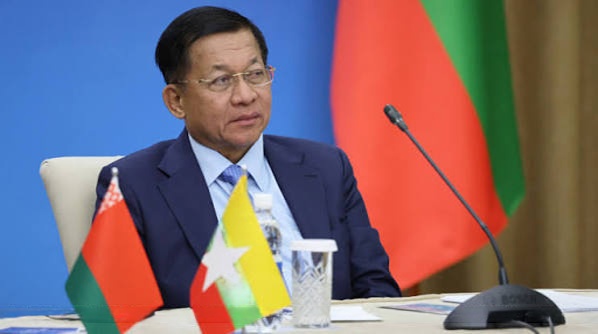
Myanmar's President Min Aung Hlaing has rejected parts of the International Court of Justice (ICJ) ruling on the Rohingya genocide. He said ' his government would not comply with requirements; it considered inappropriate.'
Speaking at a meeting on Wednesday, Min Aung Hlaing said Myanmar would act as a responsible country but would not comply with measures it deemed unacceptable. He also described the genocide case filed by The Gambia as a one-sided accusation, according to the state-run Global New Light of Myanmar.
The former military chief said the use of the term “genocide” had seriously damaged Myanmar's international reputation. He also vowed not to accept any action that undermines the country.
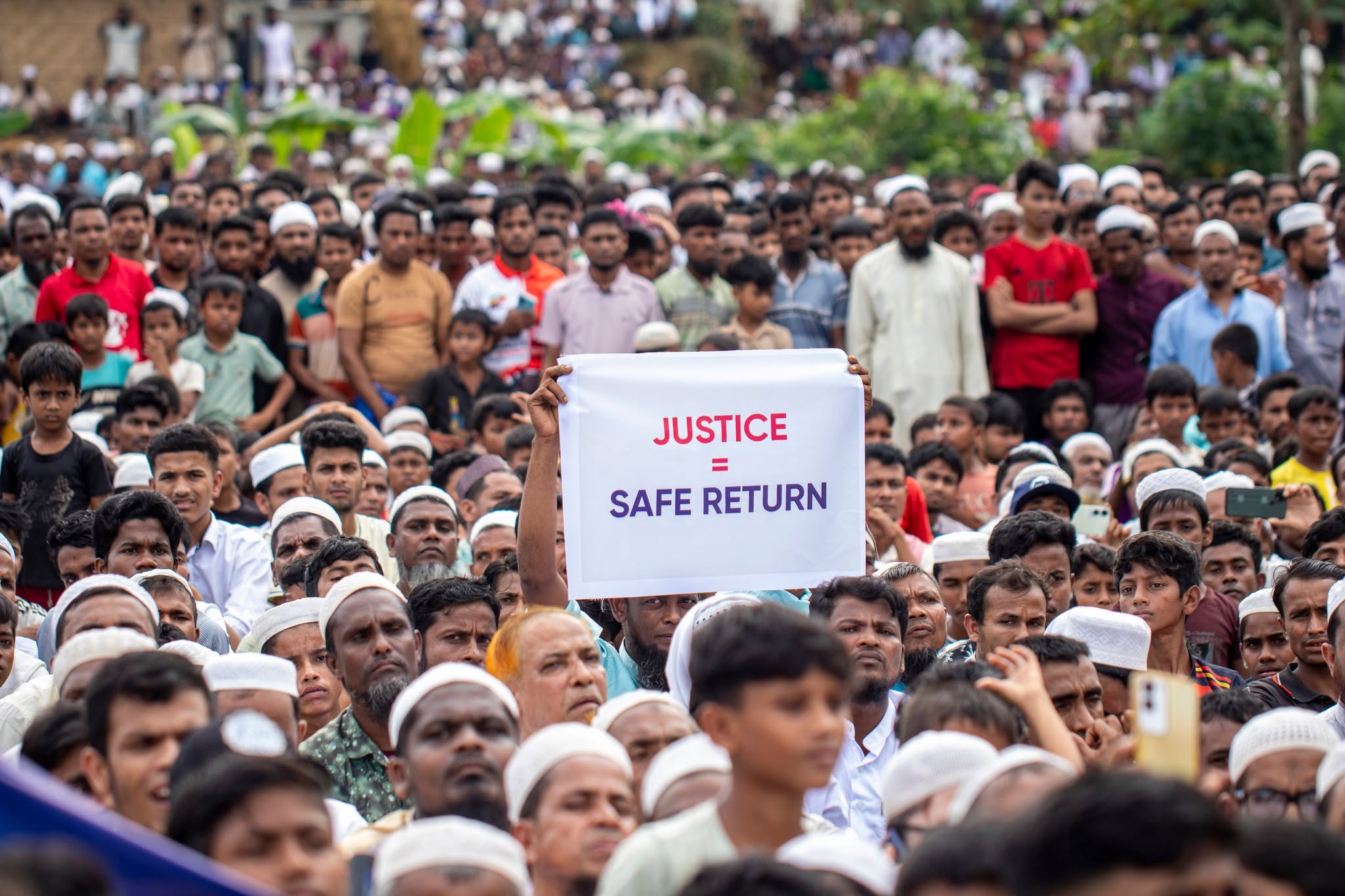
The remarks came after the ICJ delivered a landmark ruling last week, finding that Myanmar committed genocide against the Rohingya during the military crackdown in 2017.
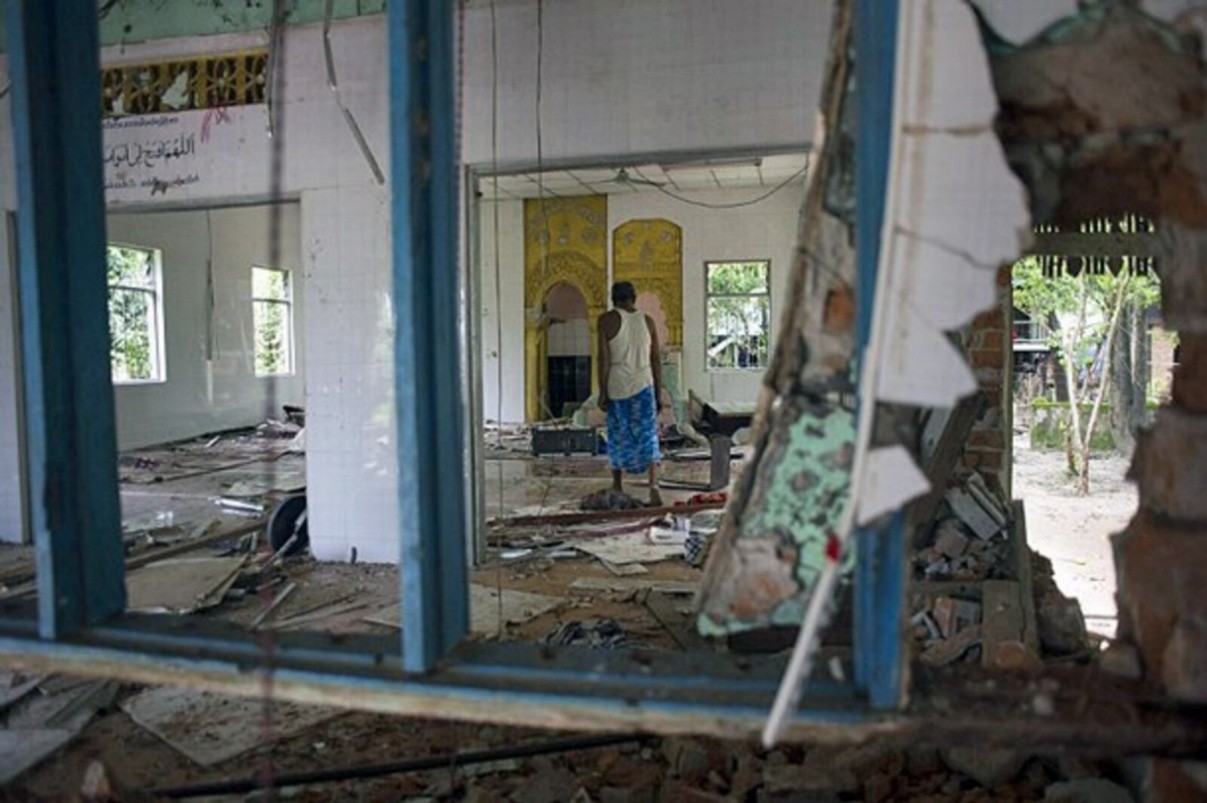
The court detailed widespread atrocities, including the killing of thousands of Rohingya civilians, sexual violence against women and extreme violence against children. It also rejected Myanmar's claim that the military operation was solely aimed at armed insurgents.
According to Radio France Internationale, the court found no evidence that Myanmar's security forces distinguished between Rohingya civilians and alleged fighters during the military clearance operations.
The ICJ further concluded that the systematic destruction of Rohingya villages and their replacement with non-Rohingya inhabitants supported the inference that Myanmar intended to destroy the community.
The ruling requires Myanmar to investigate and punish those responsible for genocide. It also addresses the safe return of Rohingya refugees and compensation, with specific amounts to be determined later.
Min Aung Hlaing led the military during the 2017 crackdown, which forced hundreds of thousands of Rohingya to flee to neighboring Bangladesh. He later seized power in a 2021 coup that plunged Myanmar into a prolonged civil war.
He became civilian president this year following elections widely criticized for their restrictions.
Myanmar has consistently denied committing genocide and previously defended the military campaign as a counter-insurgency operation. Its government also described the latest ICJ ruling as unfair and disappointing.
Although ICJ judgments are legally binding and cannot be appealed, the court has no direct mechanism to enforce compliance. The ruling marks the first time in the court's 80-year history that it has determined a state committed genocide.
BOB Post