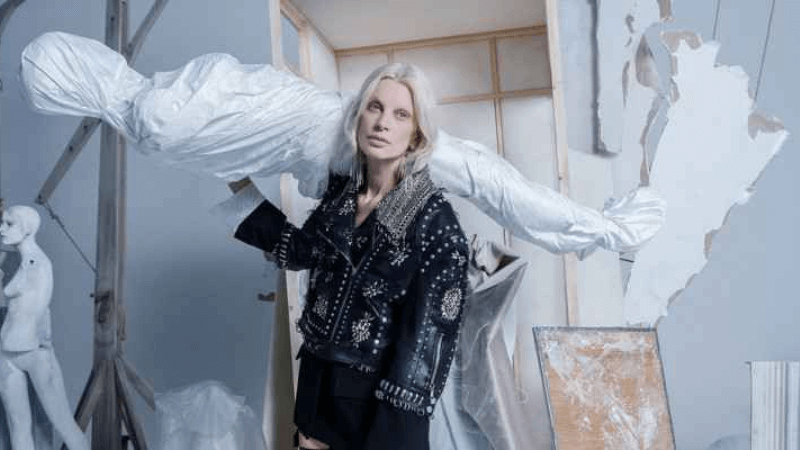
Zara, the renowned Spanish fashion giant, is at the center of a growing controversy surrounding its latest campaign titled "The Jacket." The campaign, part of Zara's Atelier series, has triggered widespread criticism, with numerous netizens accusing the brand of insensitivity and exploitation for drawing parallels between artistic expression and the ongoing humanitarian crisis in Gaza. The central image, featuring a model draped in white fabric lying on a pile of rubble, has been condemned for its stark resemblance to the imagery associated with the devastating conflict in Gaza.
The campaign, launched on December 4, 2023, quickly went viral on social media, eliciting sharp reactions from Palestinians, activists, and fashion commentators alike. Critics argue that Zara is profiting off imagery linked to tragedy and human suffering, using it as a backdrop for fashion. The central accusation revolves around the perceived appropriation and commodification of the sensitive and tragic events in Gaza for commercial purposes.
The social media response to the campaign has been intense, with hashtags calling for a boycott of Zara gaining momentum. Many users expressed their displeasure, branding the campaign as tone-deaf, disrespectful, and an example of cultural appropriation. Some pointed out the visual similarities between the campaign's backdrop and a map of Palestine in a piece of plasterboard, adding fuel to the fire.
Criticism on social media has been multifaceted, with accusations ranging from insensitivity to cultural appropriation. Netizens are asserting that the campaign's use of imagery evoking the tragedy in Gaza is inappropriate, particularly given the ongoing humanitarian crisis in the region. Calls for a boycott have been echoing across various platforms, with users expressing their intent to refrain from supporting Zara until the brand issues an apology and addresses the concerns raised by the public.
Amidst the mounting backlash, Zara issued a statement on December 6th, aiming to provide clarity on the campaign's intention. The statement emphasized that the campaign's purpose is not to reference any specific event or location but rather to depict an allegory of rebirth and hope after devastation. Zara positioned the campaign as aligning with the brand's commitment to sustainability and renewal. Despite the explanation, criticism continued, questioning the timing, execution, and appropriateness of the campaign. The controversy has had repercussions for Zara's brand image, particularly among consumers who prioritize ethical considerations in their purchasing decisions. Social media pressure continues to mount, with calls for a boycott intensifying. Additionally, the fashion industry, including various publications, has weighed in on the matter, criticizing the campaign for its lack of cultural sensitivity and ethical awareness.
The situation raises broader questions about the delicate balance between artistic expression and the potential exploitation of sensitive imagery for commercial gain. As Zara grapples with the aftermath of this controversy, the decision to keep the campaign active despite the backlash may have lasting consequences. The incident underscores the importance of cultural sensitivity and awareness in the global marketing campaigns of major brands and highlights the potential risks associated with insensitivity to geopolitical contexts. The controversy surrounding Zara's "The Jacket" campaign is likely to prompt further discussions within the fashion industry and beyond about the ethical implications of leveraging tragic events in marketing and the responsibility of brands in navigating such sensitive terrain.
BOB Post