The United States has temporarily authorized the purchase of Russian oil shipments currently stranded at sea, a move aimed at easing volatility in global energy markets as geopolitical tensions continue to disrupt supply chains.
U.S. Treasury Secretary Scott Bessent announced the decision on Thursday in a post on the social media platform X, describing it as a “narrowly tailored, short-term measure.” He emphasised that the authorisation applies only to Russian oil already in transit and does not represent a broader easing of sanctions on Moscow.
The decision comes as global oil markets remain unsettled by the escalating confrontation involving Iran, the United States and Israel, which has intensified concerns over supply disruptions across the Middle East.
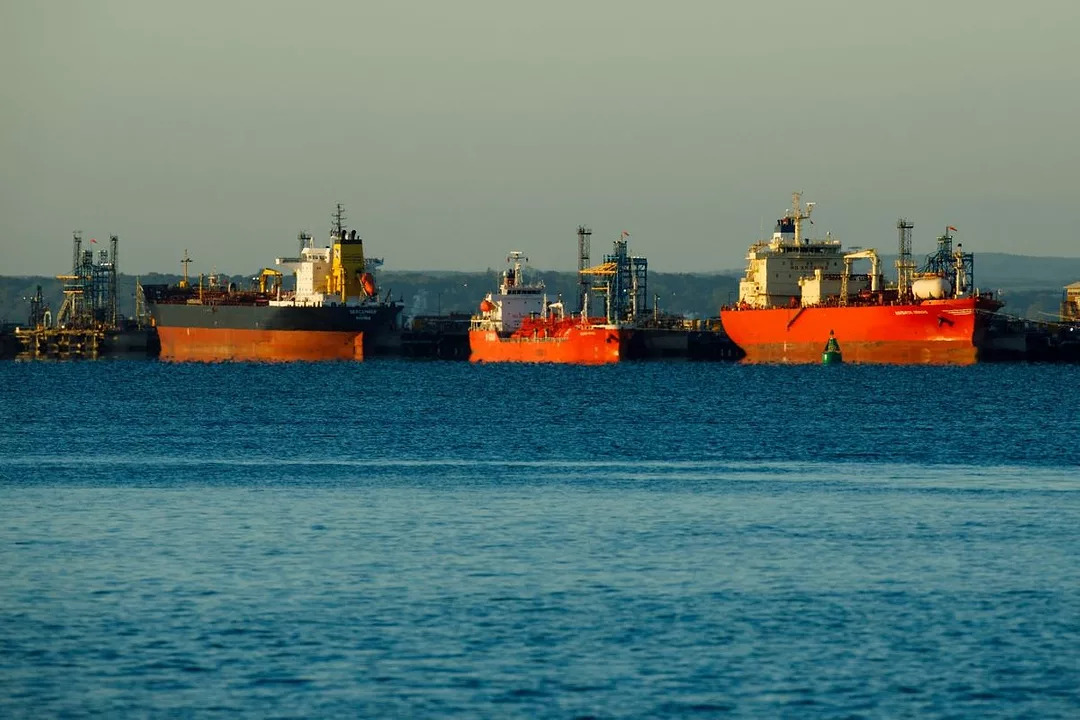
According to CNBC, approximately 124 million barrels of Russia-origin crude are currently stranded at sea across around 30 locations worldwide as of March 12. The volume represents roughly five to six days of global oil supply, highlighting the potential impact on markets if the shipments remain blocked.
Bessent said the administration expects the current rise in oil prices to be temporary. “The temporary increase in oil prices is a short-term disruption that will ultimately deliver significant long-term benefits to our nation and our economy,” he noted.
Energy markets have experienced sharp fluctuations since the start of the Iran-related conflict. Oil prices surged earlier in the week, with crude nearing $120 per barrel on Monday as traders reacted to fears of supply shocks.
Prices later moderated slightly, though volatility persists. The global benchmark Brent crude closed just above $100 per barrel on Thursday after Mojtaba Khamenei vowed to keep the strategically critical Strait of Hormuz closed, raising concerns about the security of one of the world’s most important oil transit routes.
Analysts warn that any prolonged disruption in the Strait of Hormuz could send global energy prices even higher, given that a significant portion of the world’s oil shipments passes through the narrow waterway each day.
BOB Post