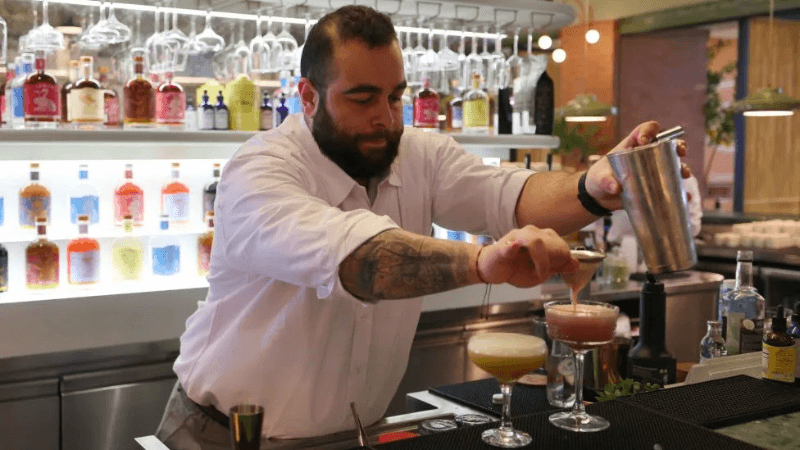
Saudi Arabia has opened its first-ever liquor store in Riyadh, marking the end of a more than 70-year ban on the sale and consumption of alcohol in the ultraconservative kingdom. The store, situated in the Diplomatic Quarter, exclusively caters to non-Muslim diplomats, offering a limited selection of wines, beers, and spirits. The move is seen as a part of Crown Prince Mohammed bin Salman's broader efforts to liberalize the country and diversify its economy.
While the liquor store is only accessible to non-Muslim diplomats, the decision is symbolic and reflects a departure from the strict Islamic values that have governed the nation since the early 1950s. Saudi Arabia, home to Islam's holiest sites, has long upheld a nationwide ban on alcohol. However, this move signals a willingness to make exceptions in certain enclaves, aligning with Prince Mohammed's vision of transforming the kingdom into a more open and business-friendly destination. Prince Mohammed's ambitious Vision 2030 plan aims to reduce Saudi Arabia's reliance on oil revenue and position the country as a global tourism and business hub. The decision to open a liquor store for diplomats aligns with these goals, acknowledging the diverse preferences of the international community and fostering a more inclusive environment for foreign residents.
The opening of the liquor store has received a mixed response within the kingdom. While some view it as a positive step towards a more liberal society, conservative factions express concerns about the potential erosion of Islamic values. The move is likely to be met with scrutiny as it navigates the delicate balance between social liberalization and adhering to traditional norms. As Saudi Arabia seeks to attract foreign investments and talent, the availability of alcohol could be seen as a strategic move to accommodate the preferences of the international community. Additionally, the diplomatic liquor store is expected to contribute to revenue generation, catering to the high-spending demographic within the Diplomatic Quarter. The opening of the liquor store raises questions about the potential for further relaxation of alcohol restrictions within the country. Whether this move remains confined to diplomatic enclaves or becomes a precursor to wider changes in Saudi society is uncertain. The government's ability to manage public sentiment, especially from conservative quarters, will likely shape the trajectory of future social reforms.
BOB Post