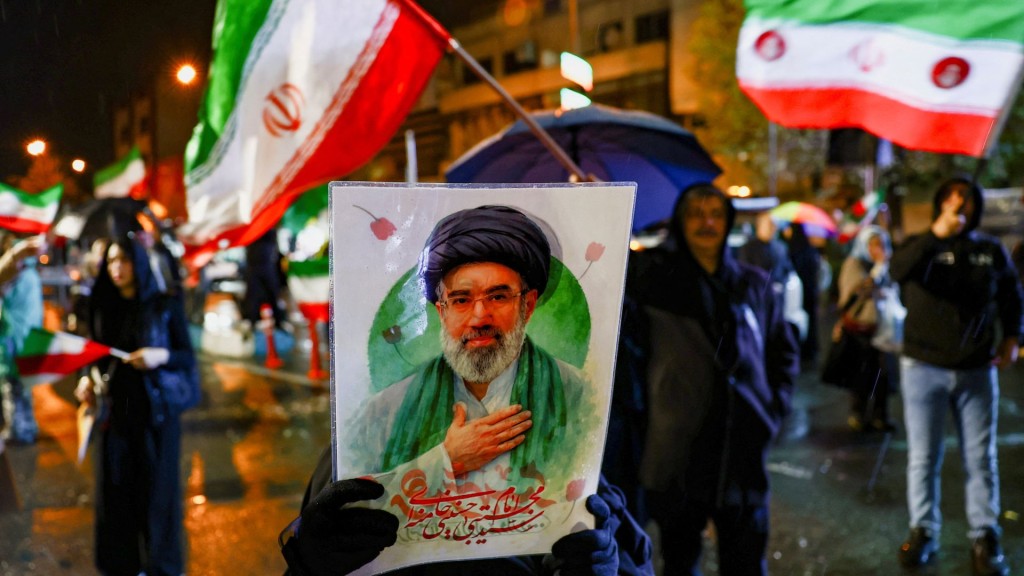
Tehran has formally responded to a US proposal aimed at ending the ongoing conflict, rejecting a temporary ceasefire and instead calling for a comprehensive and permanent resolution, according to state-run Islamic Republic News Agency. The response, reportedly delivered via Pakistan, outlines a 10-point framework that includes an end to regional hostilities, guarantees for safe navigation through the Strait of Hormuz, sanctions relief, and post-war reconstruction.
US President Donald Trump dismissed the proposal as insufficient, maintaining pressure on Tehran to comply with Washington’s demands before a set deadline. Speaking at a White House Easter event, Trump described Iran’s offer as “a significant step” but “not good enough,” reiterating threats of further military action if the strategic waterway is not reopened.
The Strait of Hormuz through which roughly 20 percent of global oil and gas supplies pass has remained effectively restricted since Iran responded to US and Israeli strikes earlier this year, turning it into a critical point of leverage. Iranian Foreign Ministry spokesperson Esmaeil Baghaei stressed that Tehran’s conditions reflect “confidence in defending its positions,” rejecting earlier US demands as excessive.

A White House official indicated that the ceasefire proposal was only “one of many ideas,” as military operations continue. Meanwhile, regional concerns are mounting, with Anwar Gargash warning that any agreement must ensure free passage through Hormuz and address Iran’s missile and nuclear programs to avoid further instability.
Fighting has intensified across the region, with fresh aerial strikes reported more than five weeks into the conflict. Iranian media confirmed the assassination of Revolutionary Guards intelligence chief Majid Khademi, which Israel later claimed responsibility for. Separately, infrastructure damage was reported at Sharif University of Technology following a US-Israeli strike targeting a data centre linked to Iran’s national AI systems.
According to Asia News Agency, Iran’s multi-clause proposal reflects a broader strategic attempt to reshape the terms of engagement beyond an immediate ceasefire, signaling Tehran’s intent to secure long-term guarantees while retaining leverage over critical energy routes.
BOB Post