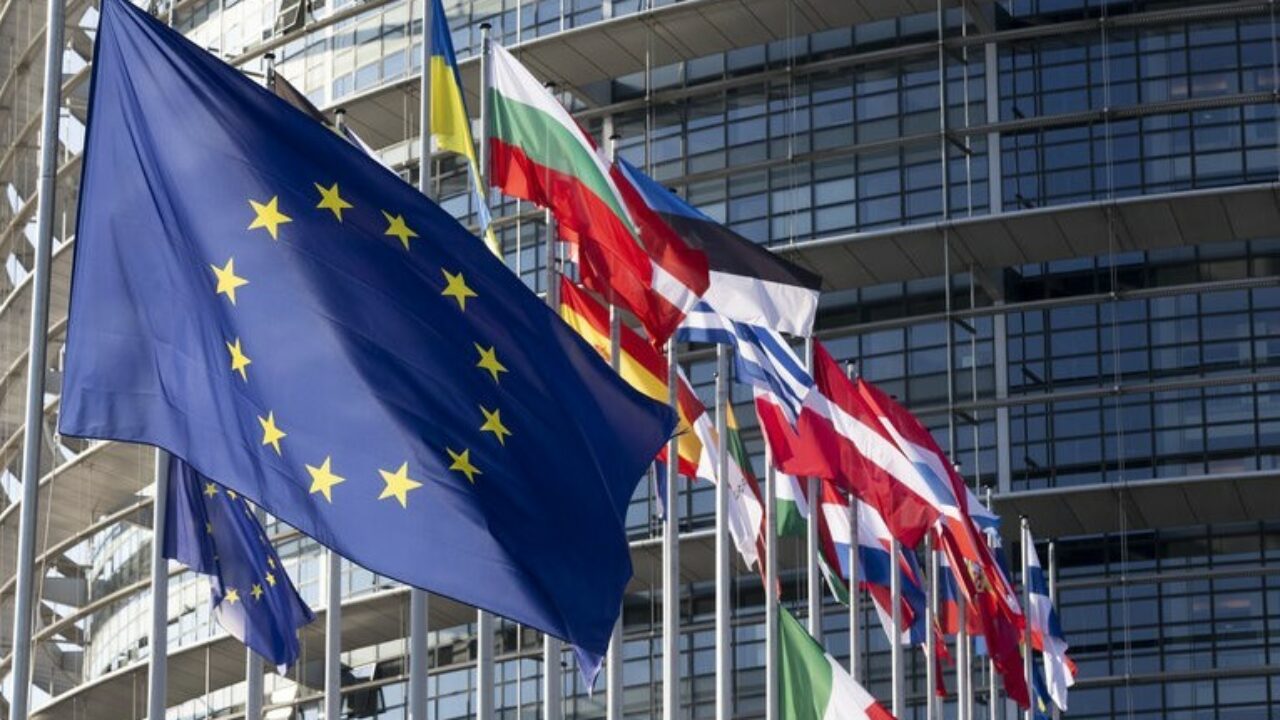
Finance ministers from Germany, Austria, Italy, Portugal, and Spain have urged the European Union to impose a bloc-wide tax on excess profits of energy companies, as the ongoing war in Iran drives up oil and gas costs and strains households across the continent.
The joint letter, sent to EU Climate Commissioner Wopke Hoekstra, argues that companies benefiting from the crisis should help ease the pressure on consumers. According to DW reports, the ministers said the measure would "send a clear message that those who profit from the consequences of the war must do their part to ease the burden on the general public." It would also demonstrate EU unity, fund temporary relief measures, and help control inflation without adding strain to public finances.
The call echoes emergency steps taken in 2022 during Russia's invasion of Ukraine, including a similar windfall tax, gas price caps, and demand-reduction targets. EU Energy Commissioner Dan Jorgensen has indicated that the bloc is already reviewing comparable actions.

Iran's closure of the Strait of Hormuz, a critical chokepoint for roughly one-fifth of global oil and gas shipments in retaliation for US and Israeli strikes has triggered sharp price surges. European gas prices have climbed more than 70% since late February, boosting energy sector profits while hitting drivers and families hard.
In Germany, diesel prices hit a fresh record of €2.391 per liter on Friday, according to the ADAC automobile club, despite new rules limiting stations to one daily price increase. The spike has intensified concerns over inflation and affordability, even as the EU expands renewables and diversifies away from Russian supplies.
Industry groups have voiced opposition, but supporters say the tax offers a fair way to redistribute windfall gains during the emergency. The European Commission is expected to examine the proposal swiftly, building on the legal framework used in the previous crisis.
This latest initiative highlights growing pressure on policymakers to shield citizens from geopolitical shocks while maintaining fiscal discipline.
BOB Post