The world is at a crossroads, facing an unprecedented climate crisis that demands immediate and collective action. As leaders, policymakers, scientists, and stakeholders converge at the upcoming Climate Change Conference (COP28) in Dubai, the urgency to address climate change has never been more palpable. Annalena Baerbock, the Federal Minister for Foreign Affairs of Germany, emphasizes that COP28 is a critical opportunity to accelerate the global response to the climate crisis and forge alliances that will shape a sustainable and resilient future for generations to come.
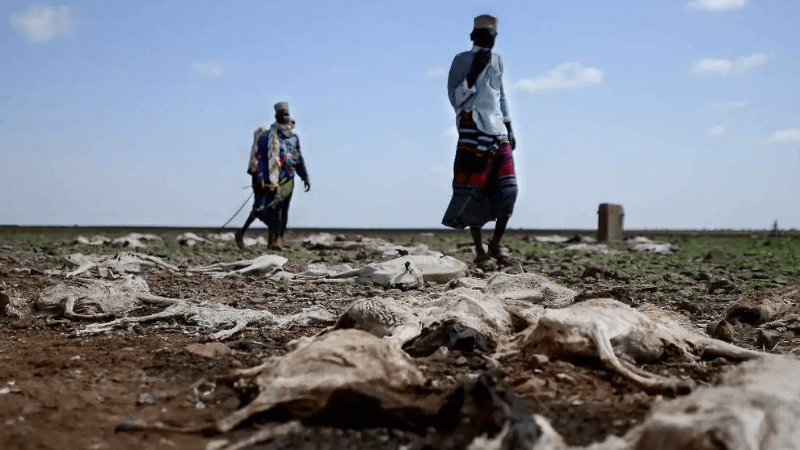
The gravity of the situation is underscored by the poignant stories of individuals worldwide grappling with the impacts of climate change. A farmer in the Niger witnesses his fields drying up due to relentless heat, a father in Palau fears for his children's future as rising sea levels threaten his village, and mayors in Spain, Germany, and Lithuania grapple with the daunting task of safeguarding their towns from water shortages and increasingly dangerous floods. These anecdotes paint a vivid picture of a planet in the throes of a climate emergency, affecting regions with varying degrees of severity but with unwavering relentlessness.
Baerbock contends that the climate crisis is the greatest security challenge of our time, transcending borders and necessitating a collaborative and resolute response. The hope lies in the knowledge, technology, and instruments available to combat climate change collectively, but what is lacking is the political will. The Paris Agreement of 2015 exemplifies a moment when international resolve coalesced, with almost 170 countries committing to ambitious climate targets. The subsequent acceleration in the expansion of renewable energies demonstrated progress, but as Baerbock notes, the pace has been insufficient.
As the COP28 approaches, the imperative to pick up the pace becomes evident. The conference marks an opportunity to conduct the Global Stocktake agreed upon in Paris, offering a comprehensive review of progress towards the targets set and identifying areas requiring intensified efforts. Germany identifies three key focal points for COP28 to be successful.
Firstly, there is a call to significantly amplify the global energy transition by 2030. The International Panel on Climate Change underscores the need for collaborative efforts to decrease global emissions by at least 43% in this decade. Baerbock stresses that the energy transition is a global responsibility, advocating for a joint agreement at COP28 to triple renewable energies, double energy efficiency, and gradually phase out fossil fuels.
Secondly, solidarity emerges as the best tool for tackling the climate crisis. Germany commits to standing with those least responsible for causing the crisis but suffering its severest consequences. The country increases its annual contribution to climate finance to over six billion euros, contributing to the international pledge of 100 billion euros for climate finance, a commitment anticipated to be fulfilled by the year-end. Adaptation to climate change and additional support for developing countries, including a doubling of contributions for adaptation to $40 billion by 2025, are crucial components of this solidarity.
Thirdly, COP28 is envisioned as an opportunity to invest in partnerships. Recognizing that conditions for successful energy transition and climate action vary, Germany emphasizes supporting partners in navigating this transformation in a socially just manner. The expansion of climate, energy, and development partnerships becomes integral to mutual learning and shared benefits.
COP28 presents a critical juncture for the world to unite in its efforts to avert the worst impacts of climate change. By setting bold commitments and tangible actions, global leaders can demonstrate their resolve and forge a path towards a climate-neutral and resilient future. The world must seize this opportunity and work together to avert the climate crisis.
BOB Post