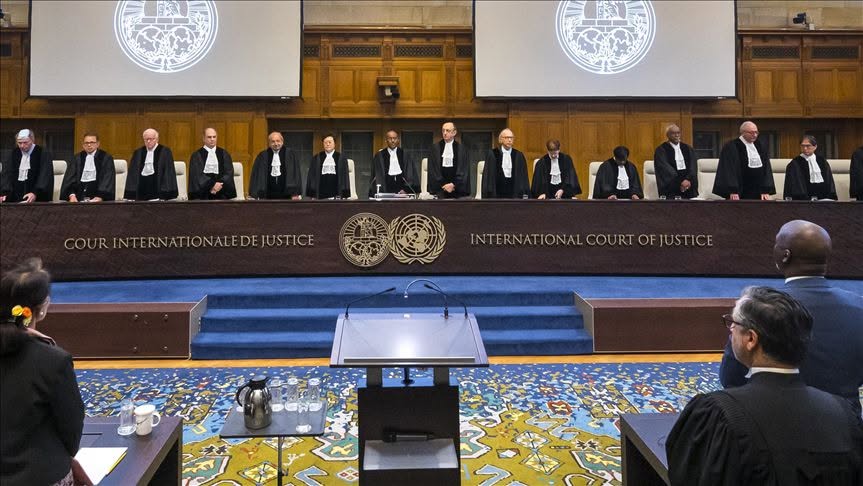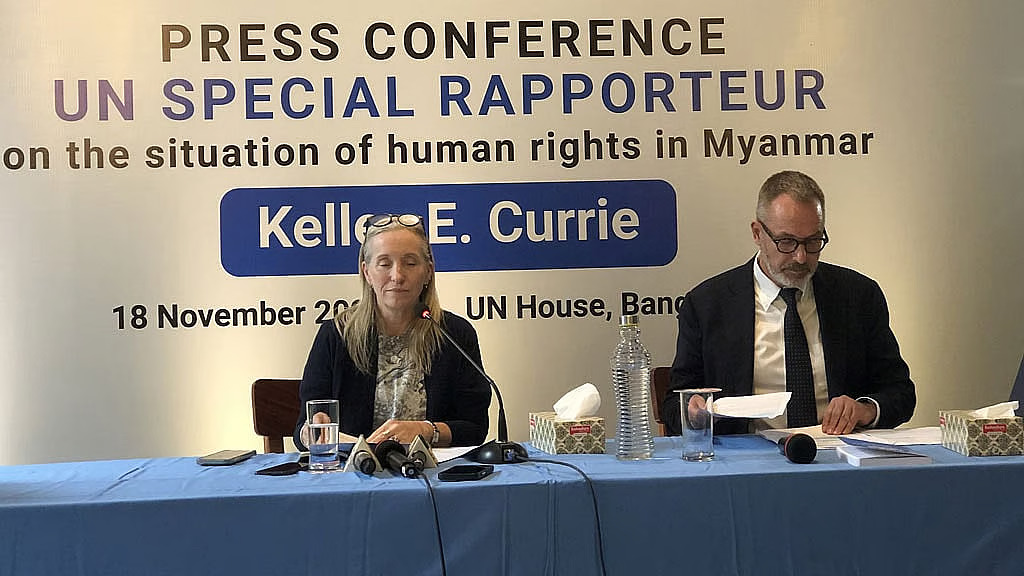
The upcoming judgment of the International Court of Justice (ICJ) in the genocide case against Myanmar could become a significant milestone in the pursuit of justice for the Rohingya, United Nations Special Rapporteur on the human rights situation in Myanmar Kelly Curry has said.
Speaking at a wrap-up press conference following her visit to Bangladesh, Curry said the court's decision in the case filed by The Gambia against Myanmar. That would be critical to establishing state accountability for atrocities committed against the Rohingya community.
She expressed hope that the judgment would acknowledge the scale and nature of the crimes, potentially opening new avenues for international accountability. These included forced displacement, dispossession, denial of identity, torture, sexual violence and killings, which, she stressed, extended beyond the military crackdown of 2017.
According to The Financial Express, Curry said generations of perpetrators had escaped accountability while Rohingya survivors continued to be deprived of justice. She maintained that the ICJ proceedings had already established an important historical and judicial record through witness accounts, forensic evidence and satellite imagery, regardless of the court's eventual decision.
However, she clarified that the case concerned Myanmar's responsibility as a state under international law and would not independently determine the individual criminal liability of those involved in the atrocities.
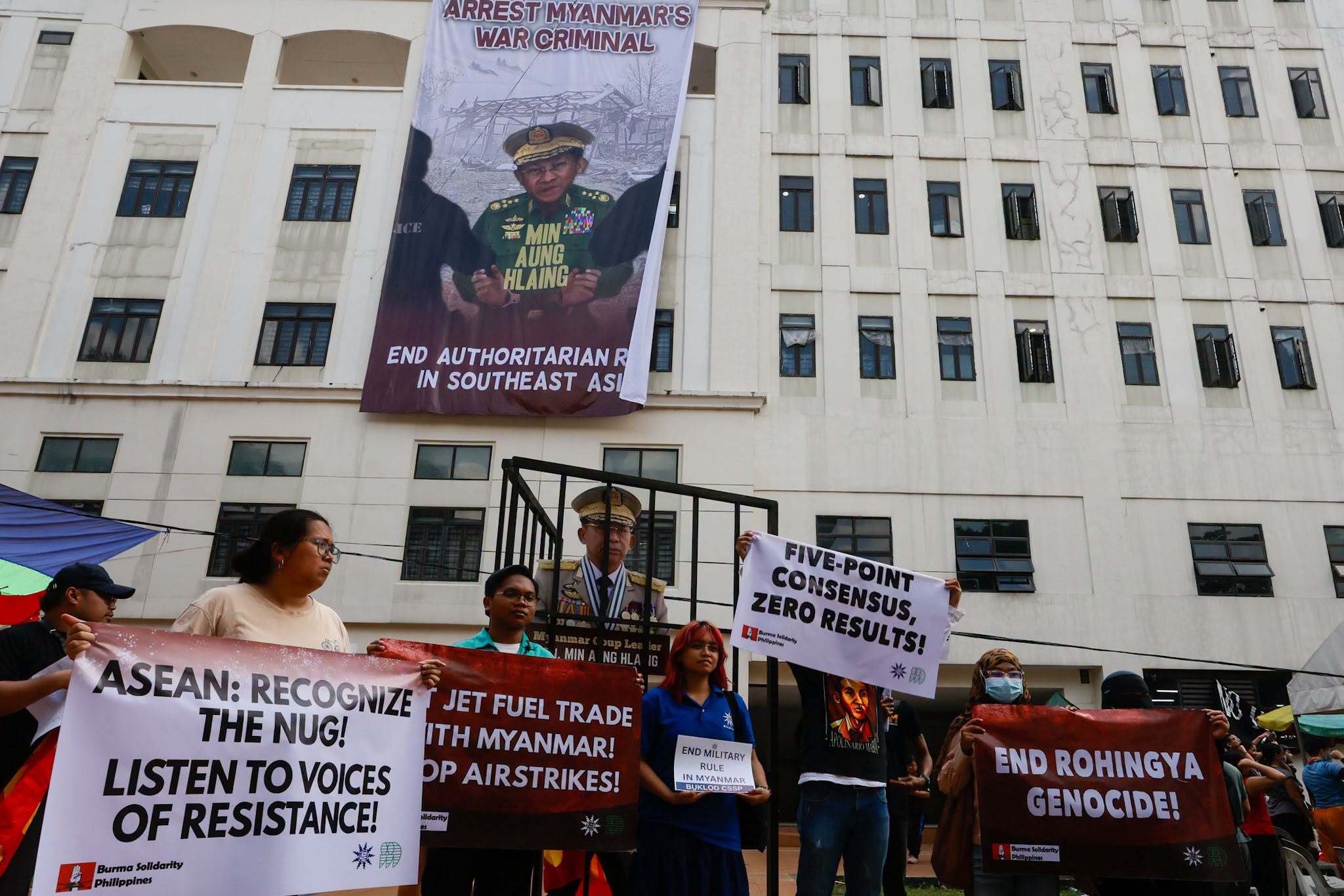
Curry urged UN member states to support the implementation of the court's judgment and pursue additional accountability measures. She also called for an end to arms supplies to those responsible for genocidal acts or failing to meet their obligations to prevent genocide, alongside targeted sanctions against individuals implicated in such crimes.
The UN envoy raised concerns over the potential for renewed hostility against the Rohingya in Myanmar as the court proceedings approach their conclusion. She pointed to reports of engagement between Myanmar's authorities, military figures and nationalist Buddhist organisations, warning that such developments could intensify communal tensions.
Some of these groups, she noted, had previously been associated with violence and incitement against the Rohingya, alongside wider anti-Muslim rhetoric. She warned that anti-Muslim sentiment was already being mobilised in connection with the ICJ proceedings.
Curry called on countries maintaining influence over Myanmar's authorities in Naypyidaw to intervene and discourage any rhetoric or actions that could trigger further violence.
She also stressed that Myanmar had been given adequate opportunities to participate in the ICJ proceedings and present its position. The country, she added, was bound by the court's judgment.
Highlighting the court's position within the international legal framework, Curry said the ICJ was established under the UN Charter and its decisions carried obligations for member states. Failure to uphold its judgment, she cautioned, would undermine the credibility of the international system built around the Charter.
On Myanmar's broader political crisis, the Special Rapporteur argued that a sustainable path towards peace would require inclusive dialogue and meaningful political engagement. She maintained that the route to resolving the country's crisis did not currently run through Naypyidaw, placing primary responsibility for the situation on the authorities there.
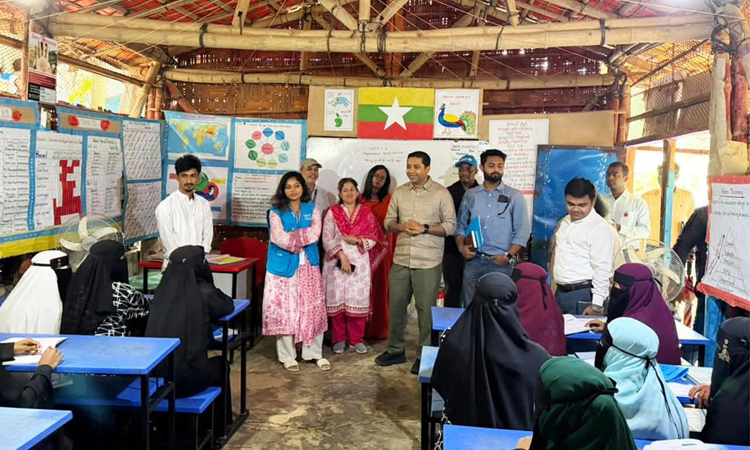
Curry visited Bangladesh from November 11 to 18, with the Rohingya crisis and the pursuit of international accountability remaining central to her engagement.
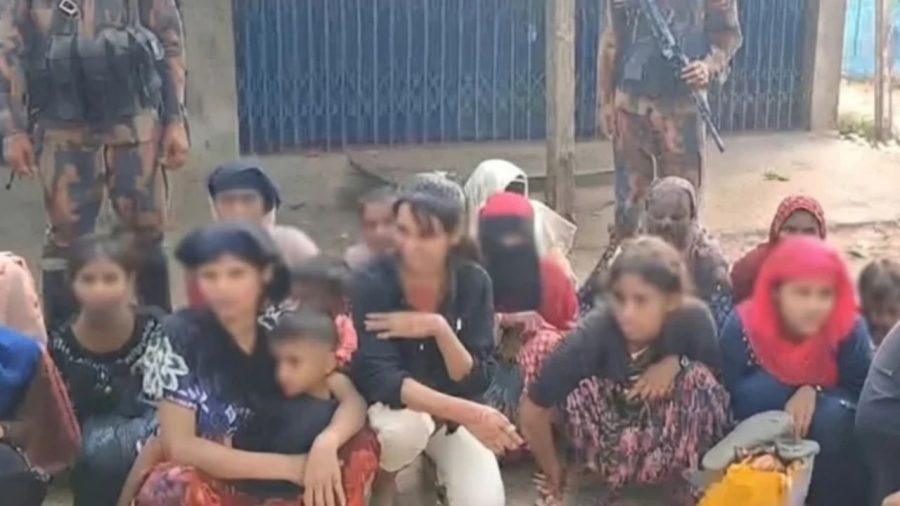
For Bangladesh, which continues to host more than one million Rohingya refugees displaced from Myanmar, the ICJ proceedings carry wider regional implications. The court's decision could shape international efforts to secure justice, address the roots of displacement and establish conditions for a safe, voluntary and dignified return of the refugees to their homeland.
BOB Post