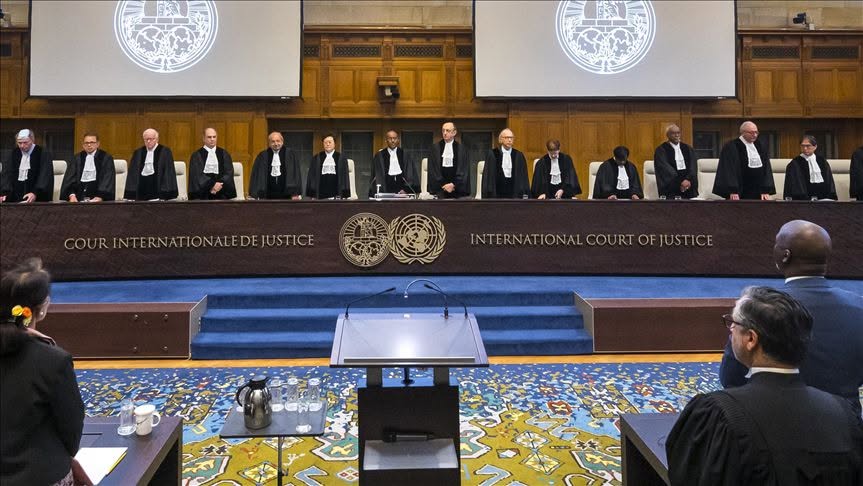
The International Court of Justice (ICJ) is set to deliver a landmark judgment on Thursday in a case accusing Myanmar of committing genocide against its Rohingya minority. This marks a crucial moment in the seven-year legal battle for justice and accountability.
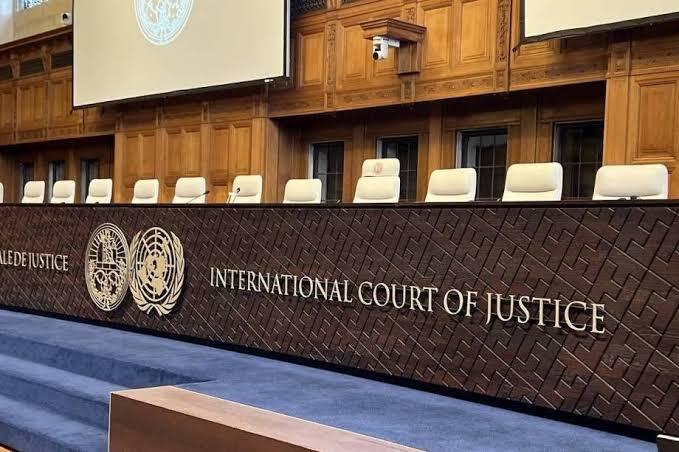
The judgment will be read from 10am local time at the Peace Palace in The Hague, Netherlands, with proceedings expected to last up to 90 minutes. The ruling could mark the first time the UN’s highest court formally holds a state responsible for committing genocide.
The Gambia filed the case in November 2019, with support from the Organization of Islamic Cooperation, accusing Myanmar of violating the 1948 Genocide Convention through its military campaign against the Rohingya in 2017.
The crackdown forced more than 730,000 Rohingya to flee to Bangladesh. Survivors reported mass killings, sexual violence and the systematic burning of villages. A UN fact-finding mission said the military operation involved acts of genocide.
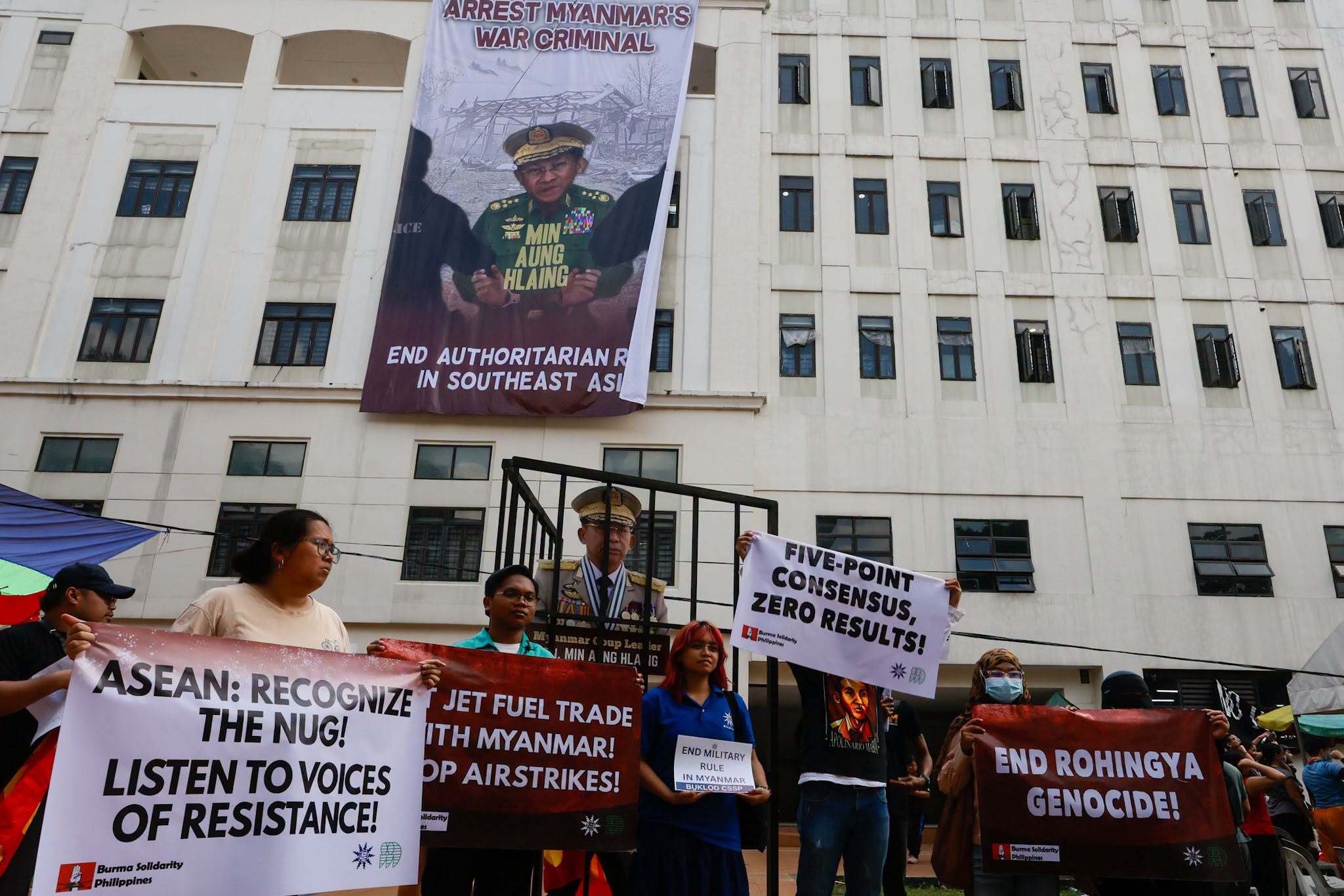
According to Al Jazeera, Myanmar has rejected the genocide allegations, maintaining that its military operations were legitimate responses to attacks by armed groups. Naypyidaw has also challenged claims that there was an intention to destroy the Rohingya community.
The verdict carries major international significance as the ICJ has never before ruled that a state itself committed genocide. Although its decisions are final and legally binding, the court has limited enforcement powers. Any failure by Myanmar to comply could lead The Gambia to seek action through the UN Security Council.
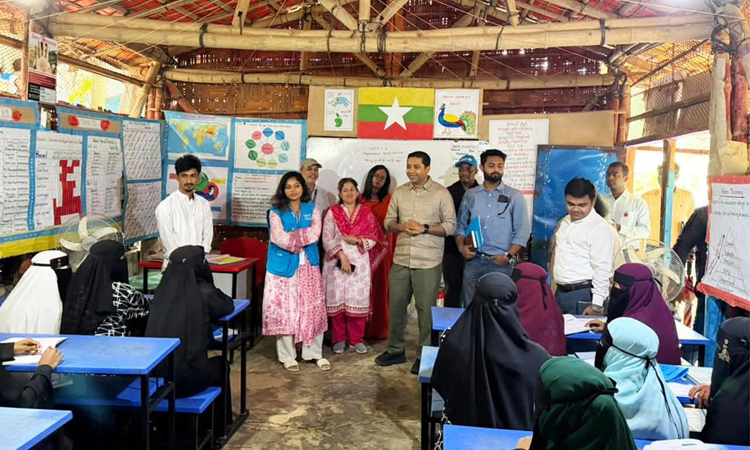
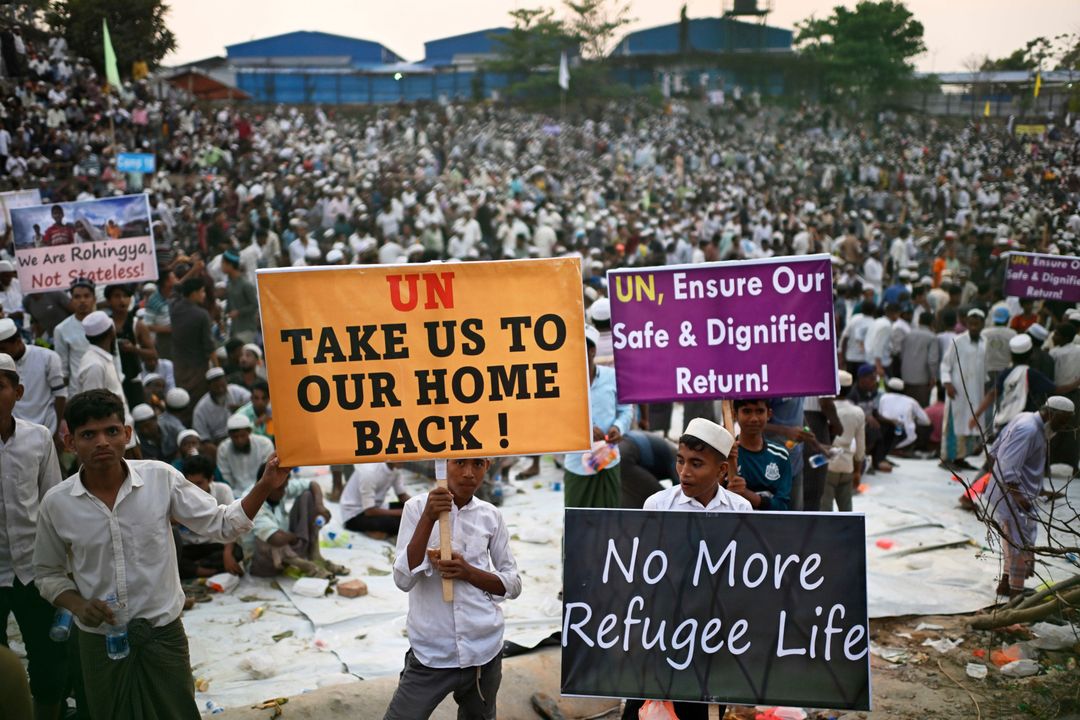
The case also raises hopes among more than 1.2 million Rohingya living in refugee camps in Bangladesh, many of whom continue to wait for a safe and dignified return to their homeland. Around 550,000 Rohingya remain in Myanmar, facing restrictions on movement, healthcare and livelihood opportunities.
Beyond determining Myanmar's state responsibility, The Gambia has asked the court to ensure accountability, reparations for victims and conditions for the safe return of Rohingya refugees. The judgment could also influence other international genocide proceedings and strengthen the legal framework for holding states accountable for mass atrocities.
BOB Post