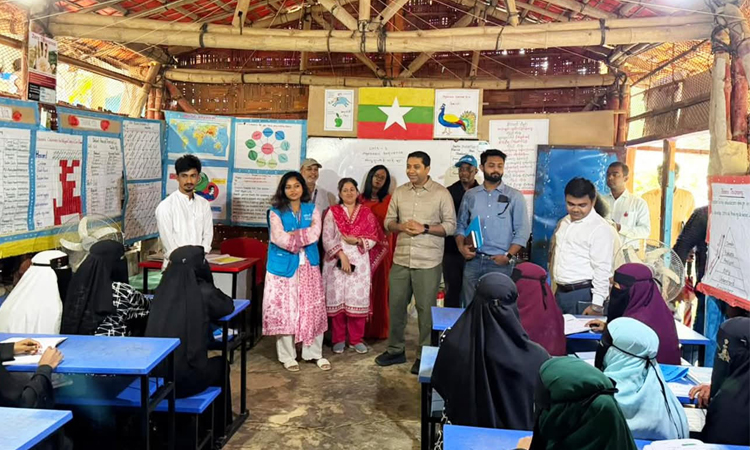
Bangladesh's prolonged humanitarian responsibility for more than one million Rohingya has come under renewed focus as Human Rights Watch (HRW) called for increased international funding to support children's education in the camps.
In a report published on Tuesday (November 17), the rights organization urged donor countries to step up financial assistance and called on Bangladesh to ease restrictions on Rohingya-run schools. It said only 312,000 of nearly 500,000 school-age Rohingya children in the country have access to education programs, while another 90,000 need educational support.
The funding crisis has placed further pressure on an already overstretched humanitarian response. Several learning centers were forced to suspend operations for months in 2025 after international contributions fell far below requirements. Of the $72 million sought for education programs that year, only $29 million was received, HRW said.
The shortfall reflects a wider decline in international support for the Rohingya response, leaving Bangladesh to shoulder a substantial humanitarian burden with limited resources.
More than 125 Rohingya-run schools are currently providing education to around 30,000 children in the camps. However, these institutions cannot directly receive foreign assistance because they lack legal recognition, the Daily Observer reported.
HRW has urged Bangladesh to recognize the schools, facilitate their access to international funding, and ensure that Rohingya children can obtain educational certificates and pursue higher studies.
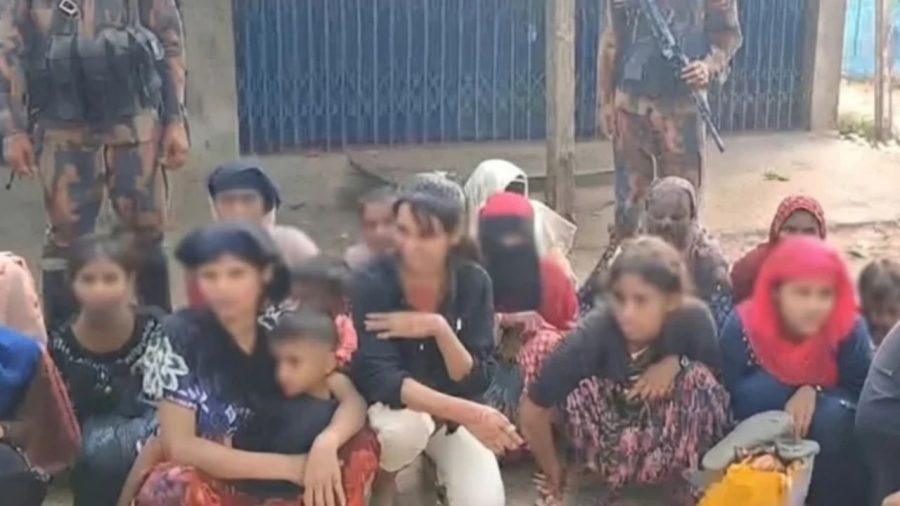
The growing education gap underscores why the Rohingya crisis cannot remain Bangladesh's responsibility alone. After years of hosting refugees who fled persecution and violence in Myanmar, Dhaka continues to face mounting pressure on public services, local resources and host communities.
International donors must therefore deliver on their commitments rather than leave Bangladesh to manage the consequences of a prolonged displacement crisis. Ensuring safe, voluntary and dignified repatriation to Myanmar, alongside adequate humanitarian support until that becomes possible, remains essential to securing a sustainable future for the Rohingya population.
BOB Post