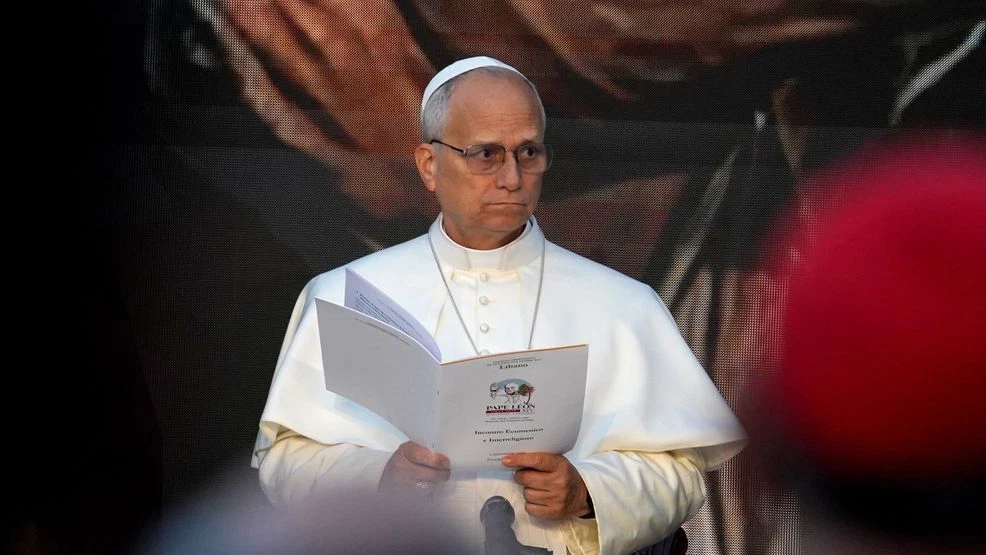
Pope Leo XIV is set to lead Easter Sunday celebrations for the first time since assuming the papacy, as escalating conflict in the Middle East casts a shadow over Christianity’s holiest day.
The US-born pontiff will preside over Mass at St Peter's Square beginning at 08:30 GMT, drawing thousands of worshippers. He is also expected to deliver the traditional “Urbi et Orbi” blessing later in the morning, a message that is likely to carry added global significance amid ongoing hostilities.
In his Easter Vigil address on Saturday, Leo called for “a new world of peace and unity,” condemning divisions fueled by war, injustice and isolation. He has repeatedly spoken out against the conflict and recently urged Donald Trump to seek a diplomatic “off-ramp” to prevent further escalation.

The solemn occasion is also marked by remembrance of his predecessor, Pope Francis, who made his final public appearance on Easter Sunday last year, just hours before his death.
Across the Middle East, however, Easter observances have been significantly disrupted. In Jerusalem, ceremonies at the Church of the Holy Sepulchre believed by Christians to be the site of Christ’s resurrection are being held behind closed doors under strict security measures. Israeli authorities have imposed limits on large gatherings due to fears of further attacks amid ongoing military operations involving Iran.
According to AFP, the restrictions have left the Old City unusually quiet during what is typically one of the busiest periods of the Christian calendar. Local residents described an atmosphere of unease and disappointment as access to the holy site remained closed.
Church leaders have also expressed concern. Latin Patriarch Pierbattista Pizzaballa described the situation as marked by “near-total silence,” punctuated only by distant sounds of conflict. He had earlier been prevented from holding a mass at the site, prompting international criticism.
In southern Lebanon, predominantly Christian communities near the Israeli border are facing similar hardship. Villages such as Debel remain under constant threat from cross-border exchanges between Israeli forces and Hezbollah, leaving residents to mark Easter amid shelling and isolation.
Despite the violence, many continue to observe the holiday with resilience. “The situation is tragic,” one local resident said, describing sleepless nights and growing fear, while expressing hope that faith would sustain the community through the crisis.
BOB Post