A fragile two-week ceasefire between the United States and Iran has been announced following intense last-minute negotiations, marking a dramatic shift from escalating threats earlier in the day by U.S. President Donald Trump.
The agreement came just hours before a deadline set by Washington, which had warned of severe attacks on Iranian civilian infrastructure if Tehran failed to reopen the strategically vital Strait of Hormuz. The waterway, a critical global transit route, handles roughly one-fifth of the world’s oil shipments.
According to officials, the breakthrough was facilitated by Pakistan’s military chief Asim Munir and Prime Minister Shehbaz Sharif, who played a mediating role. Sharif later said Islamabad has invited delegations from both countries for further talks.
Under the tentative arrangement, Iran has agreed to halt counter-attacks and ensure safe passage through the Strait, contingent on a cessation of hostilities against it. Iranian Foreign Minister Abbas Araqchi confirmed the conditional nature of Tehran’s commitment.
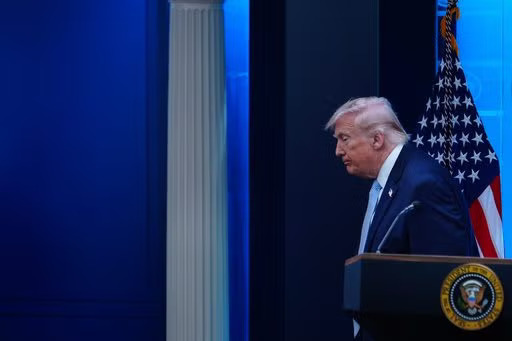
Trump described the deal as a “double-sided ceasefire,” claiming U.S. Trump claimed that both sides were nearing a broader peace agreement and that the U.S. had already achieved its military objectives. Iranian authorities, however, framed the outcome as a diplomatic victory, asserting that Washington had accepted Tehran’s conditions.
The ceasefire follows six weeks of conflict that has reportedly killed more than 5,000 people across multiple countries, including over 1,600 civilians in Iran.
BOB Post