Myanmar’s civilians are facing a growing threat from air attacks, drones and other forms of military violence, as UN investigators document evidence of strikes on homes, schools, hospitals and religious sites.
The findings are part of the annual report of the Independent Investigative Mechanism for Myanmar (IIMM), covering July 2025 to June 2026.
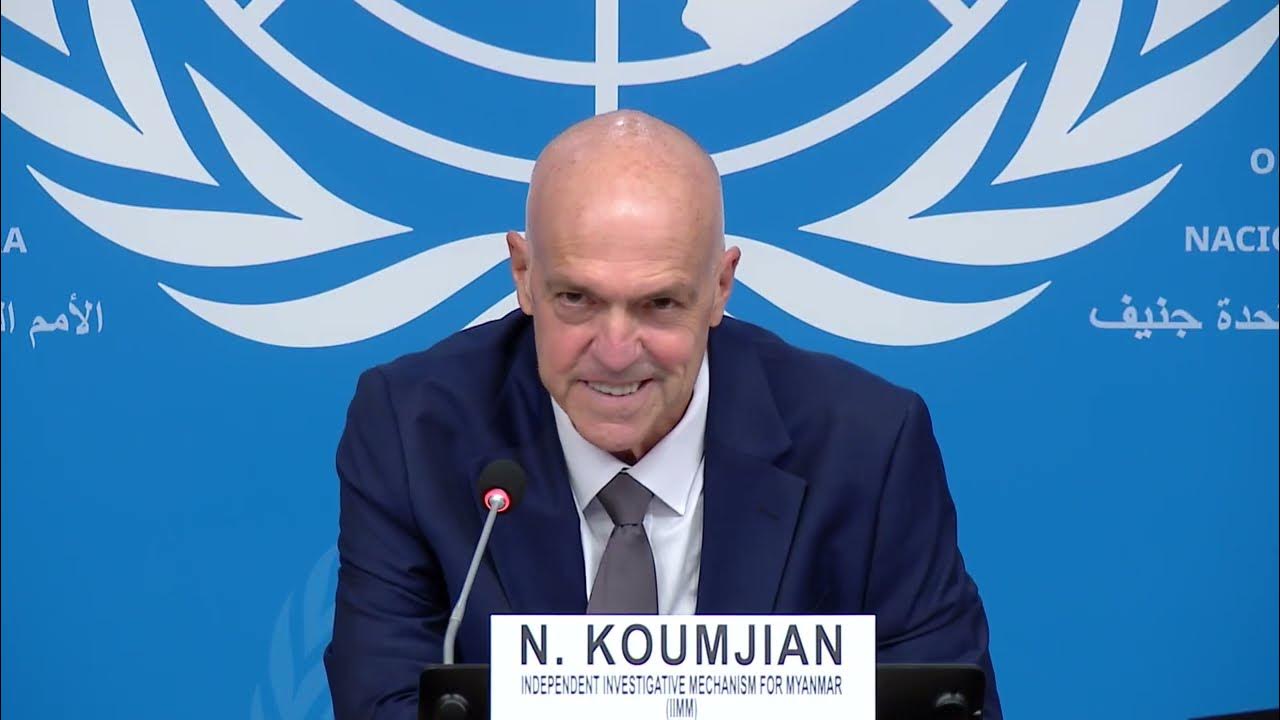
IIMM head Nicholas Koumjian said investigators are examining airstrikes against communities, with a focus on the military command structure and how orders for such attacks were issued.
Schools and hospitals are among the key targets being investigated. Children have often been among the victims, Koumjian said. Investigators are collecting evidence on the locations of the attacks and the weapons used.
The violence has continued since the military seized power in February 2021. The coup removed Myanmar’s elected government and led to the detention of senior leaders, including Aung San Suu Kyi and President Win Myint.
The takeover also triggered nationwide protests. Armed resistance later spread across the country, leaving Myanmar deeply divided and large areas outside military control.
Attacks spread across communities
The IIMM said attacks increased around Myanmar’s elections, which were completed in January. Violence has continued since then.
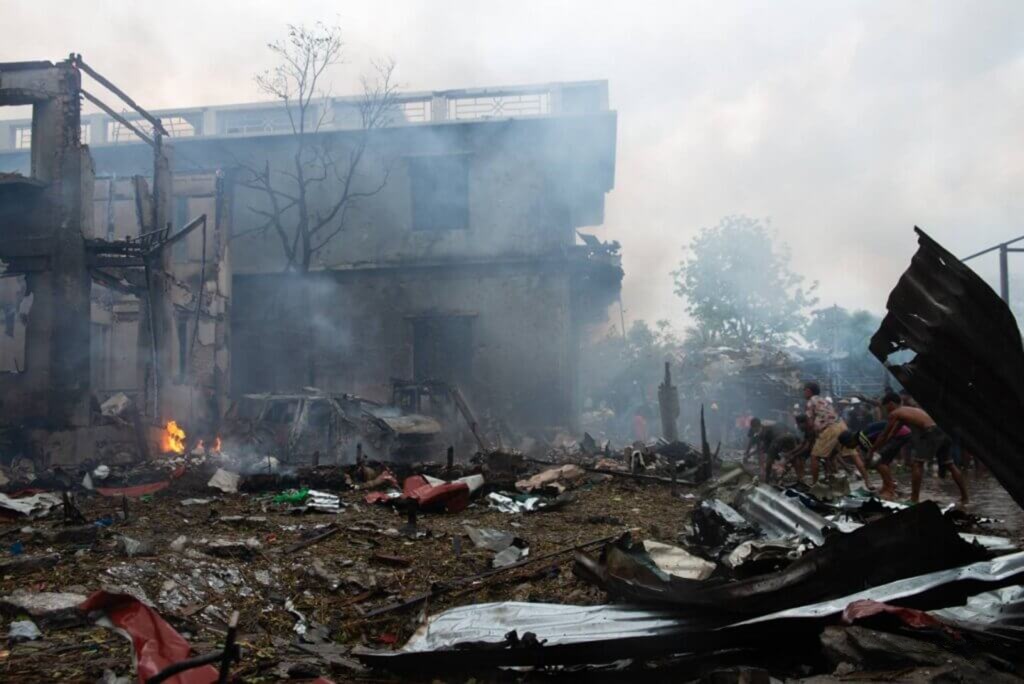
Investigators traced military strikes to homes, schools, medical centres, religious buildings and displacement camps. They also identified some of the military units involved.
The growing use of drones and motorised power gliders has added to the danger. These aircraft can approach communities with little warning, leaving civilians with less time to escape or seek shelter.
“Behind every piece of evidence we collect are people whose lives have been devastated by these crimes,” Koumjian said.
The investigators also documented torture and sexual violence in military-run detention centres.
Some cases were linked to a 2025 law criminalising criticism of the elections. Under the law, people can face long prison terms or even the death penalty for acts such as posting critical comments online.
The investigation is not limited to the military. The IIMM said it is also examining alleged abuses by armed groups fighting against the military.
The report is based on more than 1,600 sources. These include more than 750 witness accounts, as well as photographs, videos, forensic material and satellite imagery.
The findings highlight the wider regional impact of Myanmar’s conflict. Continued violence has driven displacement, disrupted cross-border communities and placed additional pressure on neighbouring countries, particularly Bangladesh, India and Thailand.
BOB Post