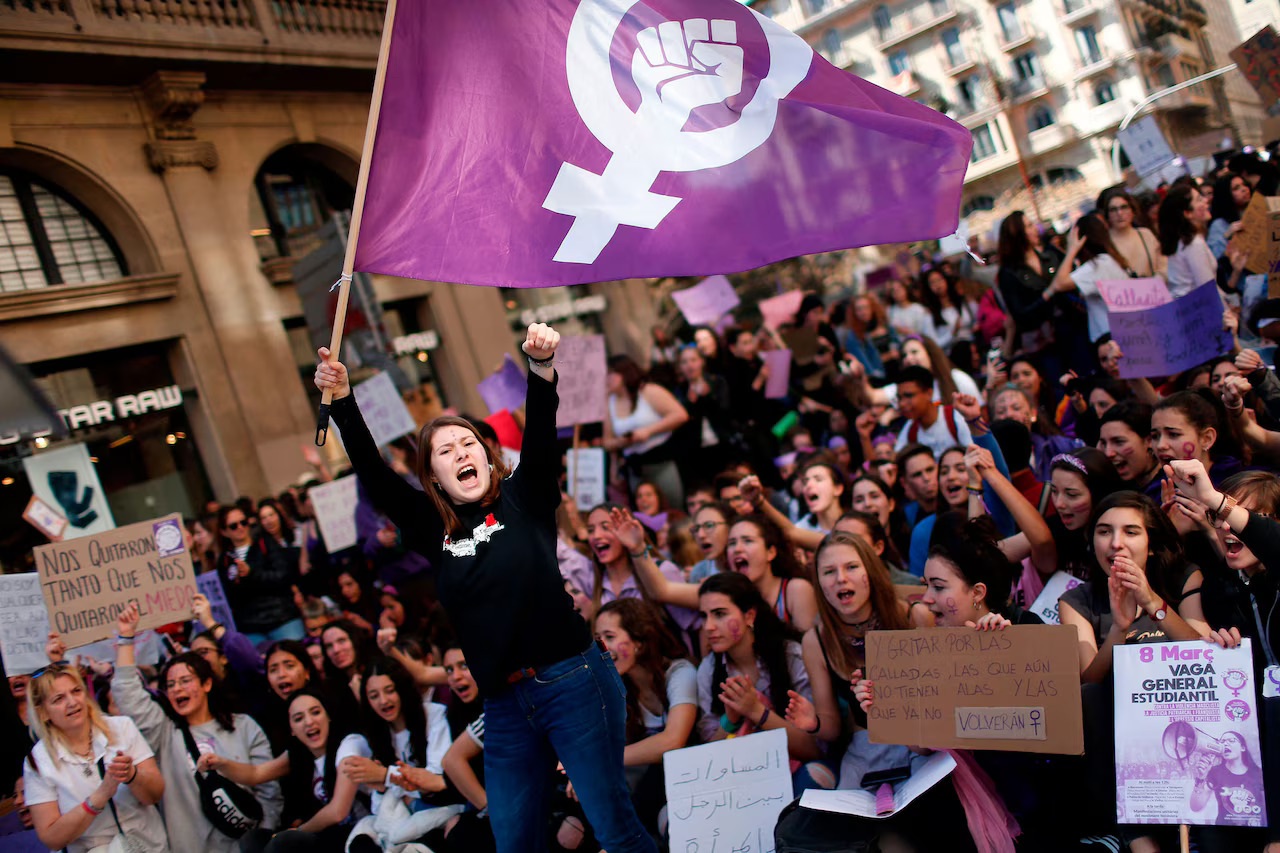
As the world marks International Women’s Day on March 8, António Guterres, Secretary-General of the United Nations, called for stronger global action to advance women’s rights, describing gender inequality as one of the most pressing human rights challenges today.
This year’s theme, “Give to Gain,” highlights how investing in women and girls brings wider social and economic benefits for communities and nations.
Guterres said that during nearly a decade leading the UN, the world has faced multiple crises from climate shocks to armed conflicts, but many effective solutions have one thing in common: women’s leadership and participation.

To accelerate progress, he outlined eight key priorities: closing the power gap in male-dominated institutions; promoting gender parity in leadership; increasing investment in girls’ education and women’s health; ensuring women’s participation in peace processes; ending discriminatory laws; enforcing zero tolerance for gender-based violence; addressing bias in the technology sector; and integrating gender equality into climate policies.
He stressed that advancing gender equality is essential for sustainable development, peace, and a more inclusive future for all.
At the same time, gender inequality continues to affect women differently across the world. While women in many countries of the Global North have made significant gains in political representation, education, and workplace rights, women in the Global South still face deeper structural barriers such as poverty, limited access to education, legal discrimination, and the impacts of conflict and climate change. Bridging this gap, experts say, will require stronger global cooperation and sustained investment in women’s empowerment worldwide.
BOB Post