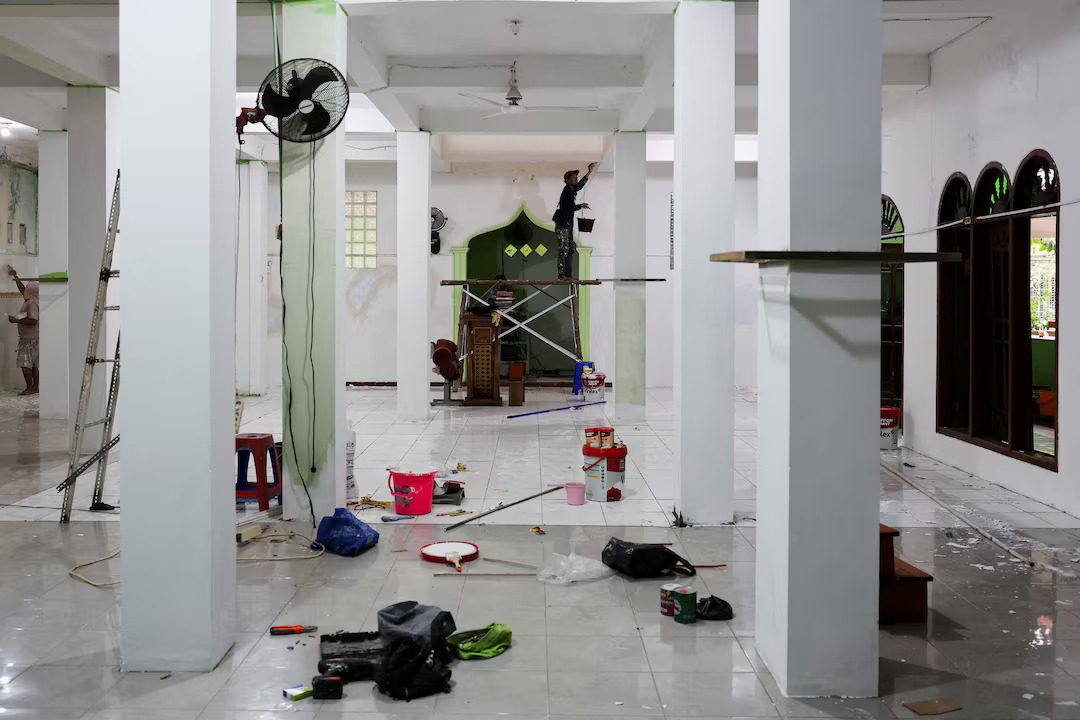
Security agencies across Southeast Asia are raising concerns over a growing trend of youth radicalization linked to violent online communities, following a bombing at a high school campus in Jakarta in November 2025.
Indonesian police detained a teenager accused of carrying out the attack, which injured 96 people. Investigators said the suspect possessed a life-size toy rifle inscribed with the phrase “welcome to hell” and the names of known white supremacist mass killers, highlighting the influence of extremist online content.
Authorities believe the case may represent the first attack in Indonesia inspired by white supremacist narratives. However, officials warn the incident reflects a wider and evolving threat among young people exposed to violent online subcultures.
Police say at least 97 youths some as young as 11 are currently under monitoring in Indonesia after interacting with content that glorifies mass violence and extremist ideology, much of it circulating through messaging platform Telegram. At least two teenagers were reportedly planning violent acts following the Jakarta bombing.
The concern extends beyond Indonesia. Security officials in Singapore, Malaysia, Thailand, and the Philippines say they are encountering increasing numbers of teenagers influenced by online communities that celebrate mass attackers such as Brenton Tarrant.

Singapore’s Internal Security Department has detained four youths since 2020 for allegedly embracing violent far-right ideologies and plotting attacks, identifying far-right extremism as a growing national security concern.
Investigators say many of the teenagers involved were radicalized through social media platforms and online forums linked to the so-called “true crime” subculture, where users circulate memes, videos, and messages glorifying mass violence. Some channels also shared bomb-making tutorials and encouraged users to commit attacks.
Extremist messaging has appeared across multiple platforms, including TikTok, where coded slogans and racist imagery targeting minorities, including Rohingya Muslims and Chinese communities have circulated online before some posts were removed.
According to Asia News Network, regional governments are increasingly coordinating their responses to counter online radicalization, marking one of the first collaborative efforts in Southeast Asia focused specifically on youth extremism linked to global far-right networks.
Experts say many of the teenagers drawn into such communities are often isolated or disillusioned individuals seeking identity and belonging online. While some adopt ideological narratives, others appear primarily motivated by the notoriety and attention associated with violent acts.
Authorities are therefore focusing not only on security enforcement but also on rehabilitation. In Singapore, counsellors from the Religious Rehabilitation Group, originally established to rehabilitate Islamist militants are now working with detained youths accused of embracing far-right extremism.
Officials warn that the rapid spread of violent ideology through online platforms makes early intervention critical, as governments across the region attempt to prevent vulnerable young people from being drawn further into extremist networks.
BOB Post