Pakistan has intensified security and logistical arrangements as delegations from the United States and Iran are expected to arrive in Islamabad for critical negotiations aimed at easing Middle East tensions following a recently announced two-week ceasefire.
Interior Minister Mohsin Naqvi said authorities have finalised a comprehensive plan to guarantee foolproof security for all visiting delegations. The talks are expected to bring together senior officials from both sides in an effort to move toward a longer-term settlement after weeks of escalating conflict.
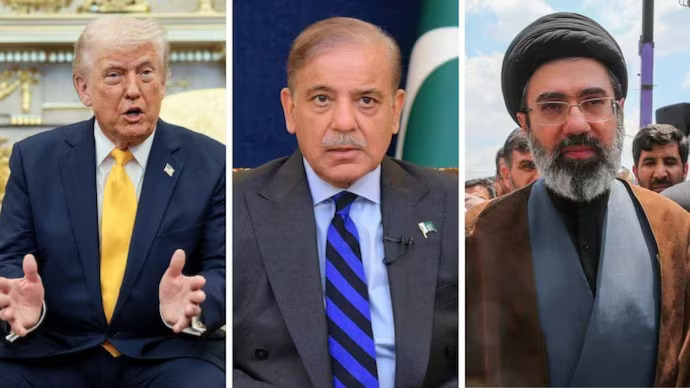
According to Iran’s Students’ News Agency, Mohammad Baqer Qalibaf will head Tehran’s delegation, which is scheduled to meet US Vice President JD Vance. The White House confirmed that senior envoys Steve Witkoff and Jared Kushner will also participate, with the first round of negotiations expected on Saturday.
Authorities have imposed sweeping security measures in the capital. Local holidays have been declared in Islamabad and neighbouring Rawalpindi, while police, paramilitary units, and intelligence agencies have been deployed under the Blue Book VVIP protocol. Separate routes have been designated for the delegations, and traffic diversions have been announced along major arteries, including the Express Highway. Emergency services and hospitals are on high alert, and the Serena Hotel in the Red Zone has been reserved exclusively for the visiting teams.

Despite the ceasefire, several contentious issues are expected to dominate the agenda, including the future of the Strait of Hormuz, sanctions relief for Iran, and disagreements over uranium enrichment. Tehran has insisted on maintaining its civilian nuclear program, while Washington continues to push for strict limitations.
Pakistani Prime Minister Shehbaz Sharif and Deputy Prime Minister and Foreign Minister Mohammad Ishaq Dar have held consultations with regional leaders and maintained diplomatic contacts with both sides. Analysts say Pakistan’s neutral stance and longstanding ties with multiple stakeholders give it leverage to facilitate dialogue.
According to Xinhua News Agency, diplomatic observers believe the Islamabad meeting could serve as a confidence-building platform, noting that both Washington and Tehran face mounting economic and political pressures to stabilise the situation through negotiations.
Retired brigadier and regional security analyst Tughral Yamin described Pakistan’s role in convening the talks as “a remarkable achievement,” emphasising that bringing two deeply distrustful parties together demonstrates both ambition and a willingness to take calculated risks in pursuit of peace.
Officials and analysts expressed cautious optimism that the Islamabad dialogue could mark an important step toward reducing tensions in one of the world’s most volatile regions, though they acknowledged that reaching a mutually acceptable outcome will require flexibility and significant concessions from both sides.
BOB Post