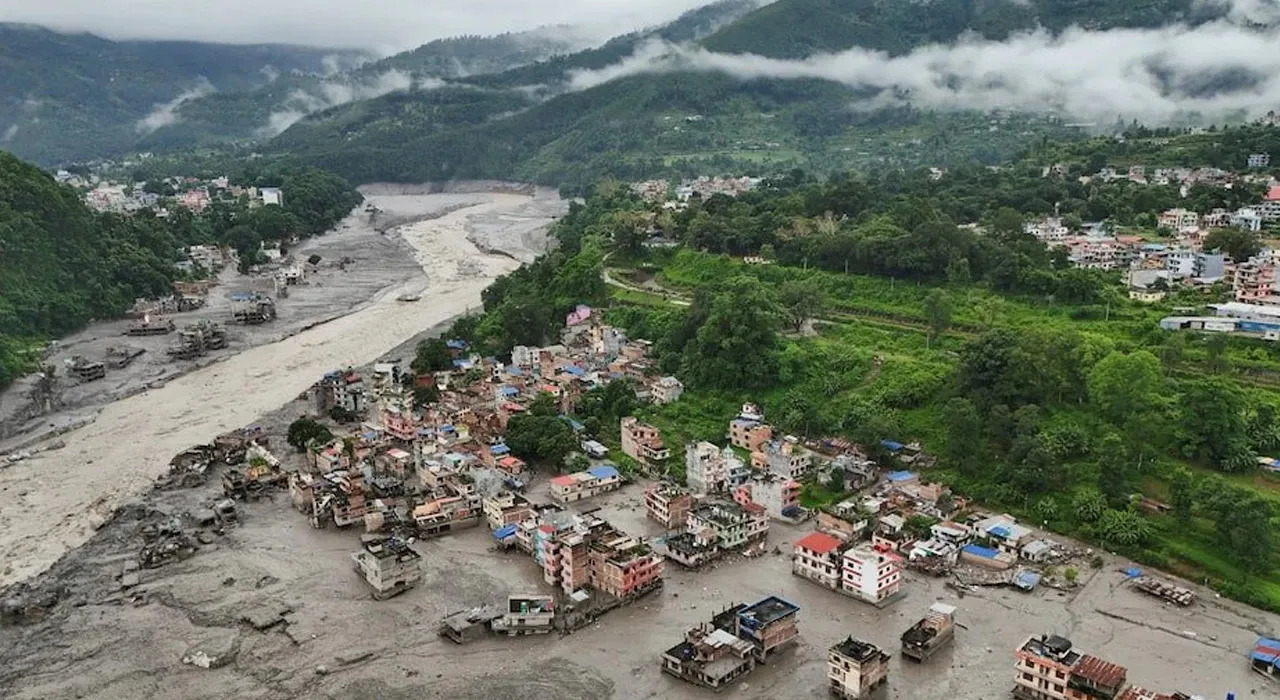
The death toll from catastrophic floods and landslides across Nepal and China’s Tibet region has risen to 750, while more than 3,000 people are still missing, as rescue teams continue searching devastated Himalayan communities.
Nepal accounts for the vast majority of the missing, with 2,498 people still unaccounted for, including hundreds of foreign nationals. In Tibet, Chinese authorities have reported 16 deaths and 546 missing people as rescue and recovery efforts continue in the affected border areas.
The missing in Nepal include 933 workers employed at hydropower projects, 589 foreign nationals and 127 Nepalis travelling with foreign tourists, along with residents from several disaster-hit districts. Nearly 20,000 security personnel have been mobilized for search and rescue operations, while authorities say 8,186 people have so far been rescued.
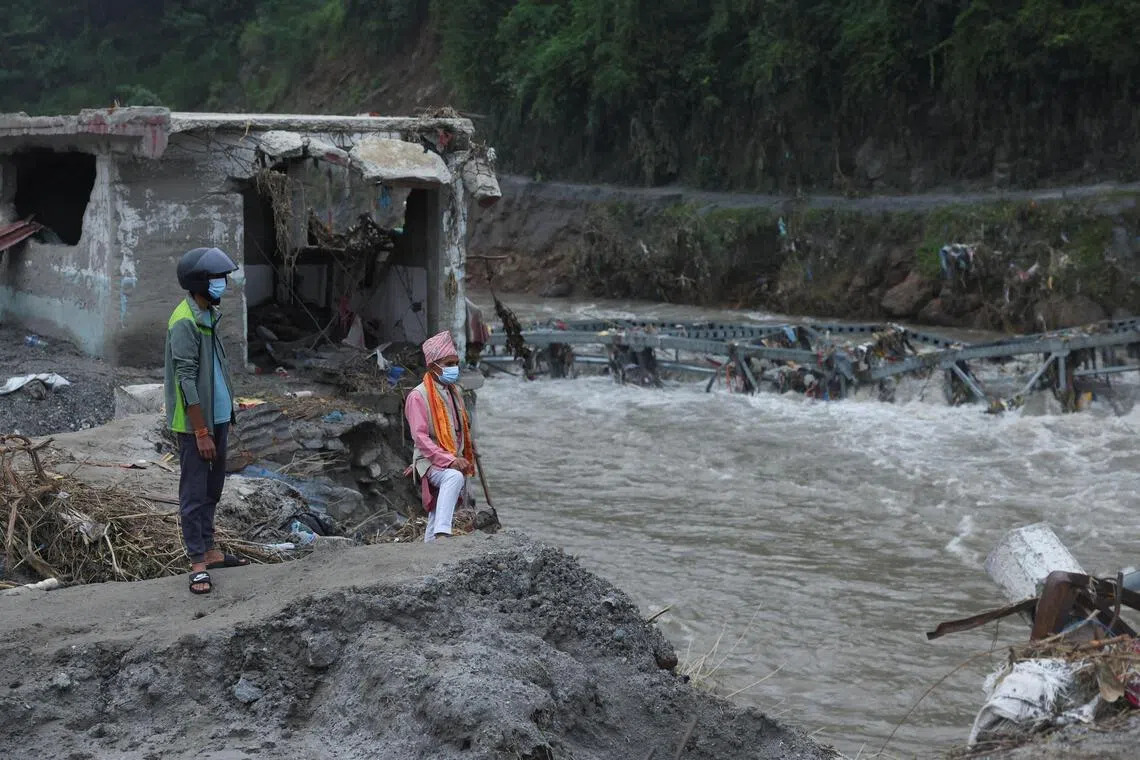
Helicopters have played a crucial role in the evacuation, carrying 279 hydropower workers and 227 foreign nationals to safer locations. Relief teams are also distributing food and essential supplies, providing medical assistance and delivering government cash support to affected families.
The disaster began on Wednesday after a sudden glacial collapse triggered a massive flow of water, mud and debris through valleys along the China-Nepal border. Villages were swept away and roads, bridges and other vital infrastructure were severely damaged. According to Anadolu Ajansi, the scale of the disaster has left rescue authorities facing a complex operation across remote and difficult Himalayan terrain.
The recovery of victims has also become increasingly challenging. Nepal Police spokesperson Deputy Inspector General Abi Narayan Kafle said many bodies were recovered as fragmented or severely damaged remains after being carried long distances by floodwaters. Thick layers of mud and water have further complicated identification and recovery efforts.
Authorities are seeking international assistance for specialised tunnel rescues, survivor-detection equipment, forensic examinations and DNA testing. An 11-member tunnel rescue reconnaissance team from India has already reached Nepal to assist with the ongoing operation.
Meanwhile, concerns over another possible flood have eased after a newly formed Himalayan lake substantially shrank. Chinese authorities said the lake had released its water naturally and was now “essentially drained”, reducing the immediate risk of another major surge.
The United States has announced more than $3.6 million in humanitarian assistance for flood-hit Nepal, including emergency food support for up to 10,000 affected households. Rescue and relief operations are expected to continue as authorities work to locate those still missing and manage the large-scale recovery effort.
BOB Post