Myanmar's neighbors must step in politically to put an end to the country's spiraling violence, which is characterized by the disturbing resurgence of genocidal acts of violence against the Rohingya in Rakhine. The nation has become increasingly ethnically fractured as a result of the war between the State Administrative Council (SAC) and various other anti-coup resistance movements followed by the military coup that overthrew Aung San Suu Kyi's National League for Democracy (NLD) in 2021.
Decades of armed and political turmoil are the core cause of Myanmar's current crises. During a research interview, the late Colonel Chit Myaing, who acted as the deputy-commander of the 5th Burma Rifles in 1947, described his experience of confronting rebels from Rakhine on the day that Burma declared its independence. Numerous ethnic groups have been against central authority over the years, including the Karen and the Rohingya Muslims.
Today's Myanmar is an intersection between early Yugoslavia and an unstable Syria, with a history of genocidal acts and shifting loyalties. Despite the military’s territorial losses, the SAC retains significant control, backed by China and Russia. However, resistance forces depend heavily on neighbouring states for economic survival.
Myanmar's conflict must be resolved with the cooperation of China, India, Thailand, Bangladesh, and Laos. With their own domestic issues, these nations are unlikely to be in support of the establishment of new states along their borders. Yet, international supporters of Myanmar’s resistance movements mistakenly project the imminent collapse of the SAC, misinterpreting military withdrawals as signs of defeat.
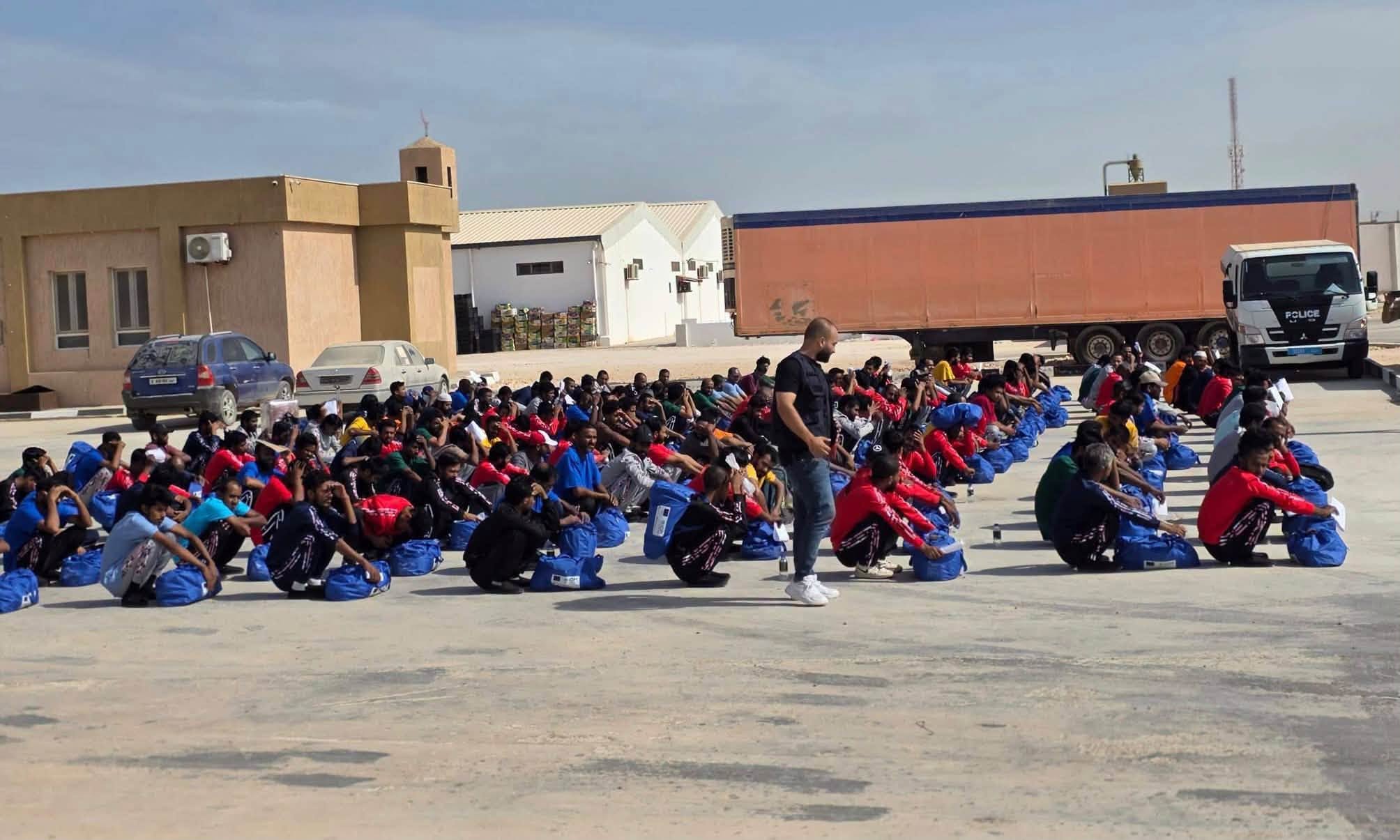
The SAC has adopted scorched earth tactics, destroying infrastructure and targeting civilians, leading to over three million internally displaced persons (IDPs) since the coup. The resistance-controlled areas are in ruins, unable to support reconstruction efforts. The UN High Commissioner for Refugees, Filippo Grandi, highlighted the severity of the situation to the Security Council.
Myanmar's neighbours must take the lead in breaking the cycle of violence. The leaderships of Cambodia and Thailand have shown willingness to assist. Historically, these countries played a pivotal role in ending Cambodia’s post-genocide civil war. Myanmar can draw lessons from this experience.
In order to effectively promote peace in Myanmar, dialogue with all sides to the conflict—not just influential individuals like Aung San Suu Kyi and Min Aung Hlaing—is necessary. Despite the difficulties and frequent backlash, advocating for peace is crucial. Hopelessness is prevalent and resource depletion is a problem for Myanmar society.
Myanmar cannot achieve peace alone. It needs the support and leadership of its neighbours to restore stability. A Neighbours' Peace Initiative, inspired by regional cooperation and historical precedents, is essential. Myanmar's people and leaders must embrace this support to end the conflict and rebuild the nation.
BOB Post