Japan has signed a new agreement with UNICEF committing $3.2 million in fresh assistance to Rohingya refugees in Bangladesh, targeting critical services for children and vulnerable families in Cox’s Bazar and Bhasan Char.
The funding is expected to benefit more than 56,500 refugees including over 36,000 children through expanded support in education, water, sanitation and hygiene (WASH), nutrition and healthcare services, according to a press release issued on Sunday (2 March).
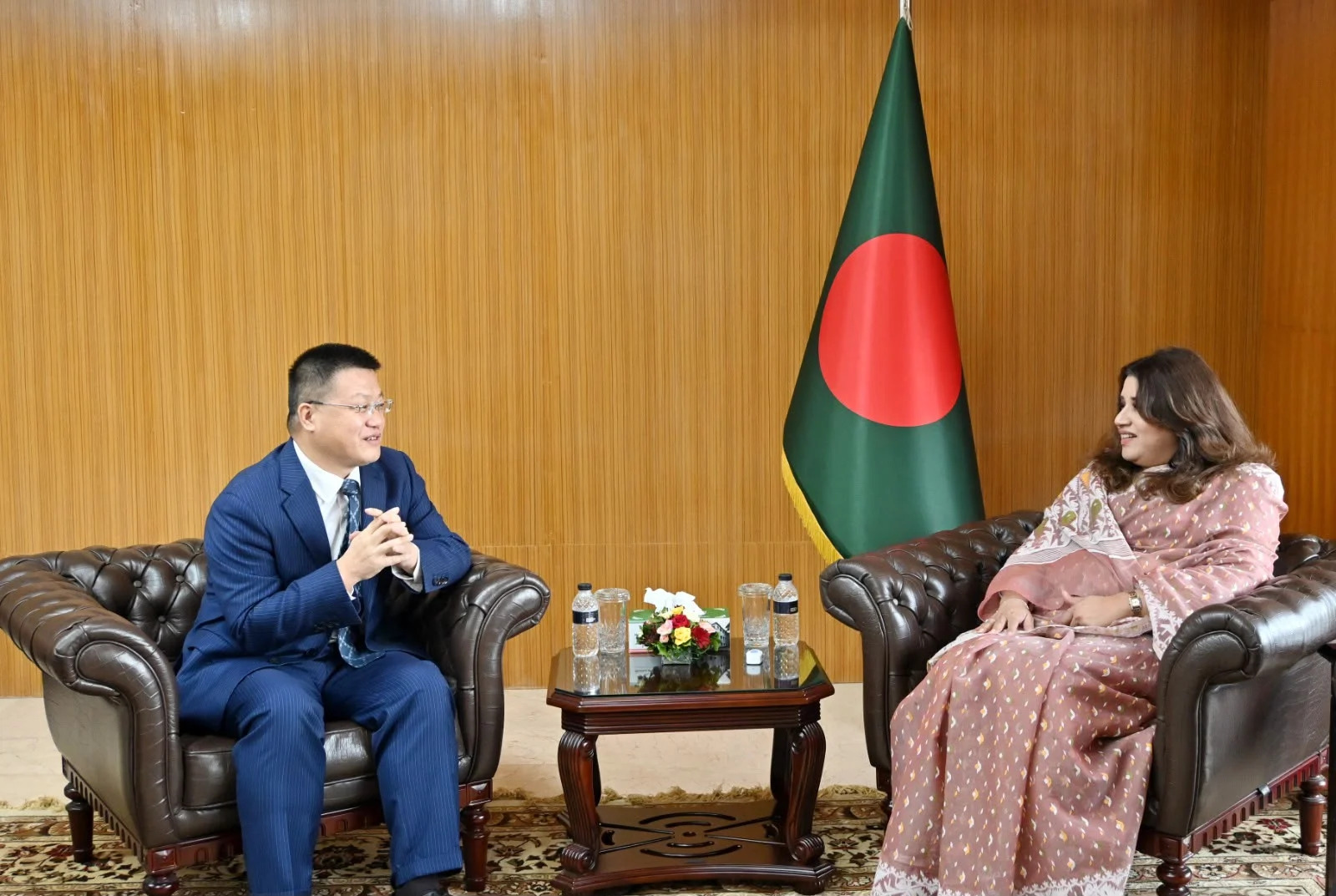
The agreement was formalized in Dhaka between Japanese Ambassador to Bangladesh Saida Shinichi and UNICEF Representative in Bangladesh Rana Flowers.
Ambassador Saida said the contribution comes at a time when global humanitarian funding is shrinking, placing added strain on protracted crises such as that of the Rohingya. She noted that Japan’s support prioritizes essential services including education, WASH, nutrition and health, underscoring Tokyo’s long-standing partnership with UNICEF and its commitment to human security.
She expressed hope that the assistance would help strengthen resilience and preserve the dignity of both Rohingya refugees and host communities in Bangladesh.
Now in its ninth year, the Rohingya crisis remains one of the world’s largest and most enduring humanitarian emergencies. More than one million refugees live in densely populated camps in Cox’s Bazar and on Bhasan Char, where overcrowding, disease outbreaks, malnutrition and limited access to education continue to expose children to serious risks.
Rana Flowers said Rohingya children face daily threats ranging from preventable diseases to interrupted schooling and limited opportunities for skills development. She described Japan’s support as a crucial investment in safeguarding children’s health, education and long-term prospects.
Under the new agreement, UNICEF will expand access to the Myanmar Curriculum for children on Bhasan Char and strengthen formal education and skills training programs for adolescents in Cox’s Bazar. The initiative will also improve safe water systems and sanitation facilities to reduce the spread of cholera, dengue and other communicable diseases.
Households will receive hygiene supplies, including soap and menstrual health materials, aimed at promoting public health and gender equity in the camps.
In line with Japan’s global advocacy for universal health coverage, the funding will further support services to prevent and treat child malnutrition, as well as maternal and newborn healthcare. This includes care at the Newborn Stabilisation Unit on Bhasan Char and primary health centres in Cox’s Bazar.
Since the onset of the Rohingya influx in August 2017, Japan has contributed more than $250 million to UN agencies and non-governmental organisations in Bangladesh for the refugee response. Of that amount, approximately $47 million has been channelled through UNICEF to support Rohingya children and their families.
BOB Post