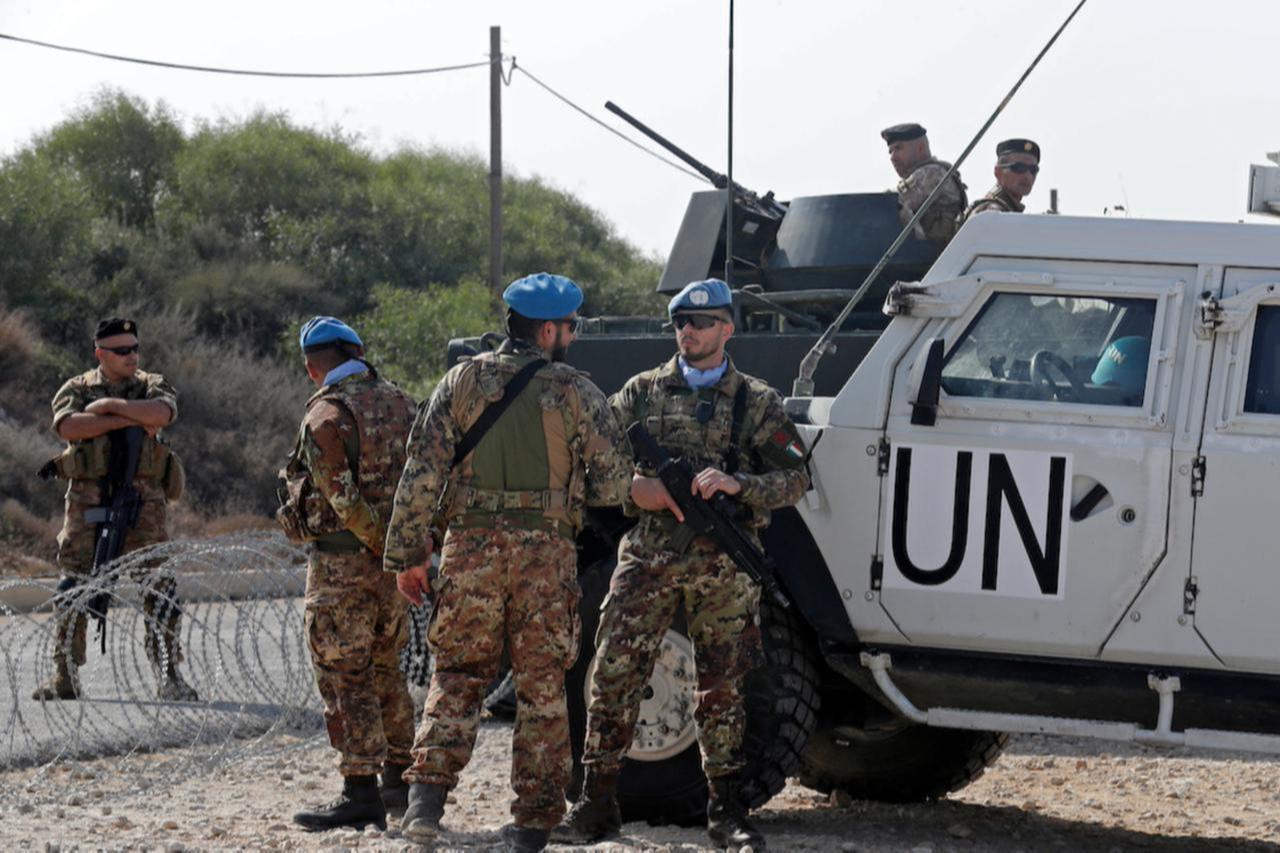
Indonesia has stepped up its call for stronger international safeguards for United Nations peacekeeping forces, urging a comprehensive review of security arrangements following a series of deadly incidents involving its troops in Lebanon.
The demand comes amid growing alarm in Jakarta after multiple Indonesian peacekeepers serving under the UN Interim Force in Lebanon (UNIFIL) were killed or injured in recent attacks linked to escalating hostilities in the region. The latest fatality has pushed the number of Indonesian casualties higher, intensifying pressure on the government to act.
Indonesia has formally called on the United Nations to reassess existing protection mechanisms and ensure that peacekeeping personnel are not exposed to undue risks in volatile conflict zones. Officials stressed that safeguarding peacekeepers is a fundamental responsibility of the international system, particularly as missions are increasingly deployed in active war environments rather than post-conflict settings.

According to The Jakarta Post, Indonesia is pressing for a structured evaluation of the safety framework surrounding its deployed forces, including operational protocols and coordination on the ground, following repeated security breaches in southern Lebanon.
The Indonesian government has also urged the UN Security Council to investigate the incidents and hold relevant parties accountable, warning that continued attacks on peacekeepers could undermine the credibility of UN missions globally. Previous statements from Jakarta have described such incidents as “unacceptable” and called for immediate corrective measures.
Indonesia, one of the largest contributors to UN peacekeeping operations through its Garuda Contingent, has long positioned itself as a strong advocate for multilateral security cooperation. However, the recent casualties have sparked domestic debate over whether troop deployments should be reconsidered if safety cannot be guaranteed.
Despite the concerns, Indonesian authorities have reiterated their commitment to international peacekeeping efforts, while emphasizing that the protection of personnel must remain a top priority. The latest developments underscore broader challenges facing UN missions, as conflicts grow more complex and increasingly blur the line between peacekeeping and active combat zones.
BOB Post