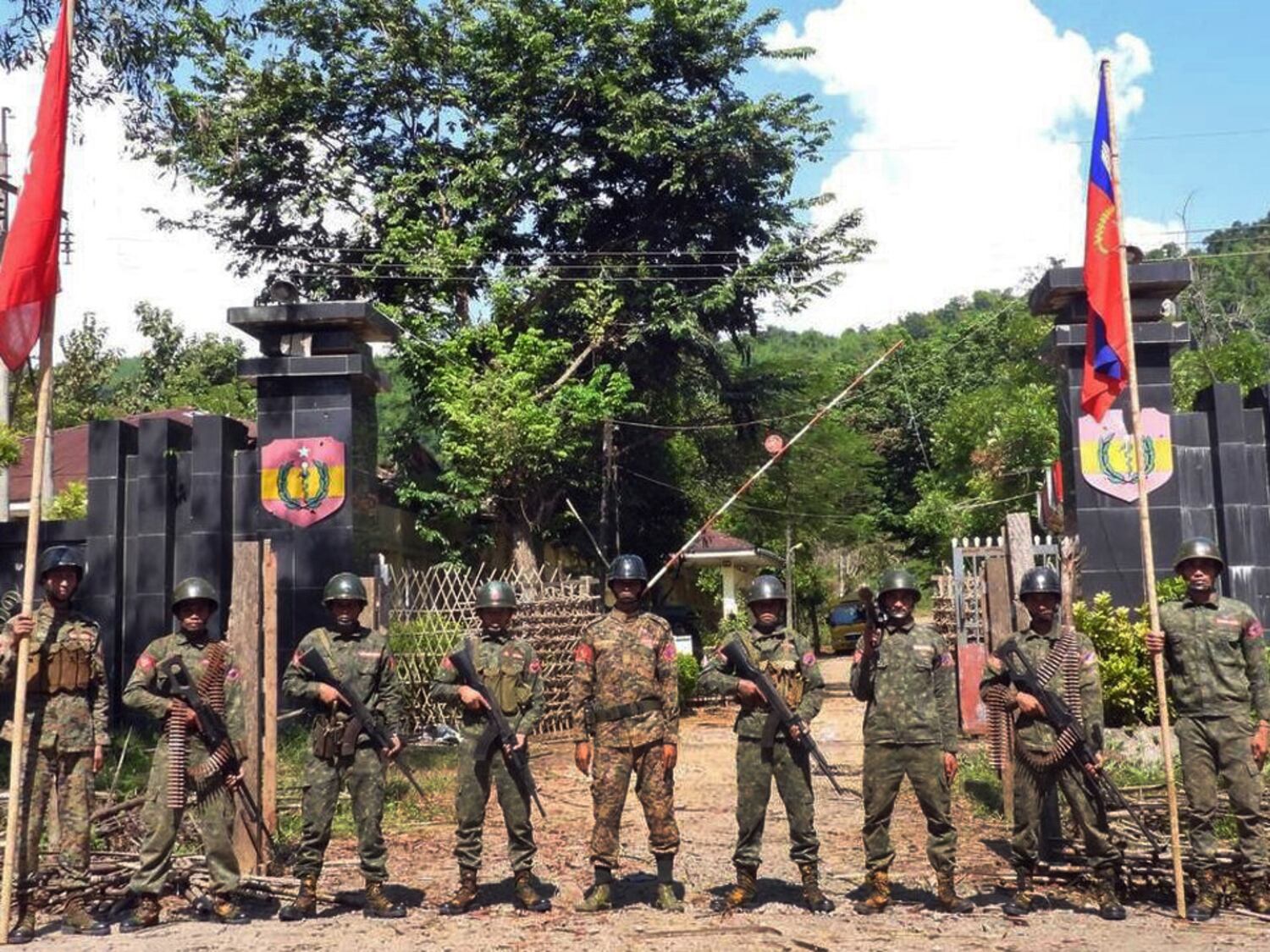
The Arakan Army (AA), often portrayed internationally as Myanmar’s most capable ethnic armed group, is facing fresh scrutiny over allegations of systematic abuses against the Rohingya and the emergence of what a new report describes as a coercive war economy in Rakhine State.
A report released by the Arakan Strategic Forum argues that the AA's expanding territorial control has been accompanied by widespread restrictions on Rohingya civilians, raising concerns that the armed group is replacing military violence with administrative measures that further marginalize the persecuted minority. According to the report, these practices include movement restrictions, forced recruitment, discriminatory taxation, land confiscation and legal penalties targeting Rohingya communities.
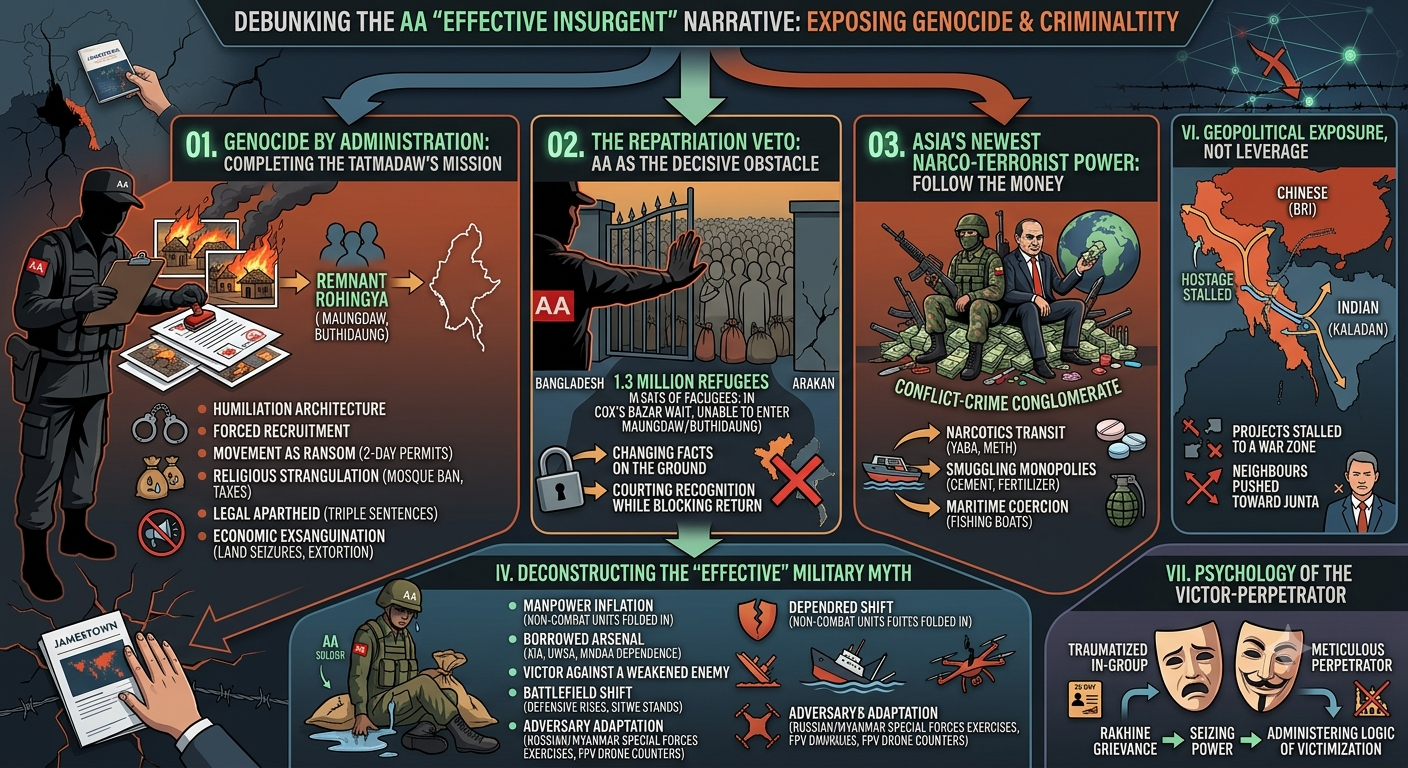
According to the Arakan Strategic Forum, the AA has become the principal obstacle to the voluntary and safe repatriation of more than 1.3 million Rohingya currently sheltered in Bangladesh. The report contends that because the AA controls key Rohingya-majority townships such as Maungdaw and Buthidaung, any large-scale return of refugees would depend on its policies and security guarantees conditions the forum argues are currently absent.
The report is also sharply critical of what it describes as the international community's growing acceptance of the AA as a pragmatic governing force. It argues that some foreign analyses have relied heavily on sources linked to the armed group while overlooking testimonies from Rohingya civilians, allegations of extortion, forced labour and other documented abuses in AA-controlled areas.
Among its most serious allegations, the report claims the AA is carrying out what it calls the "administrative phase" of the Rohingya genocide by enforcing discriminatory policies instead of direct military assaults. It cites reports of compulsory recruitment of Rohingya men, travel permit fees, restrictions on religious practices, disproportionate prison sentences for returning refugees, and financial levies imposed on Rohingya villages. The AA has previously denied accusations of targeting Rohingya civilians.
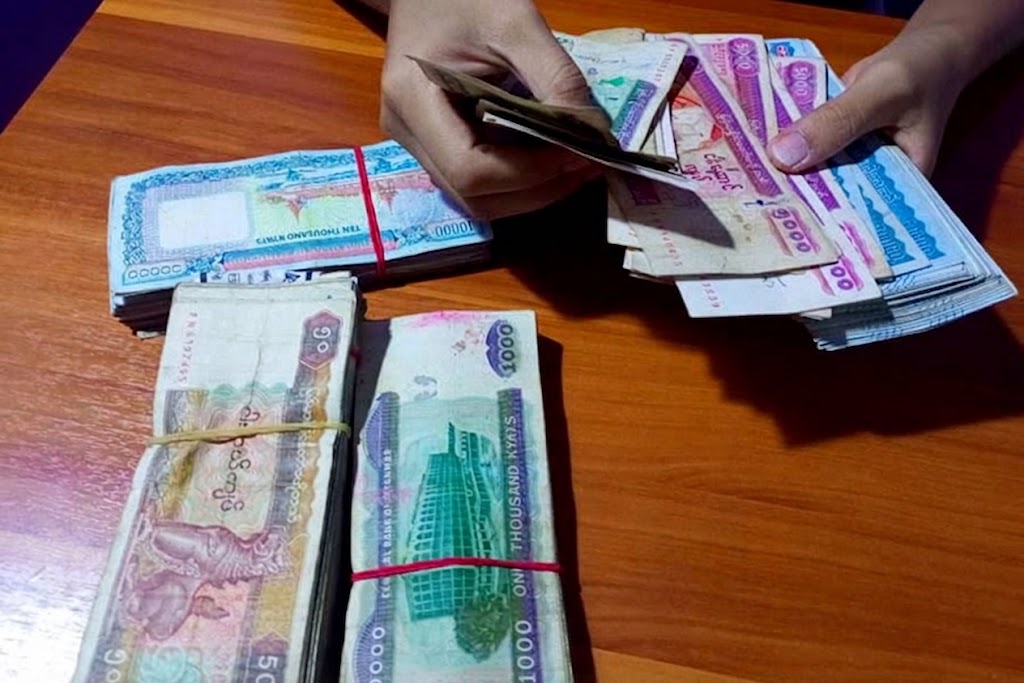
Beyond human rights concerns, the forum alleges that the AA has developed a conflict-driven economic network sustained by cross-border smuggling, narcotics trafficking, extortion and informal taxation. It argues that these activities have transformed the group from an ethnic insurgency into what it describes as a "narco-terrorist" actor, while also increasing security risks along the Bangladesh-Myanmar border.
The report further challenges the widely held perception of the AA as Myanmar's most effective resistance force. It argues that many of the group's battlefield gains were facilitated by the Myanmar military's overstretched deployment elsewhere and by support from allied ethnic armed organizations, rather than by independent military superiority.
Concluding its assessment, the Arakan Strategic Forum warns that overlooking allegations of abuses in AA-controlled areas could undermine international efforts to achieve accountability and create conditions for the safe return of Rohingya refugees. The report urges policymakers and international partners to evaluate the group's governance record alongside its military successes, arguing that sustainable peace in Myanmar will depend not only on who controls territory but also on how civilians particularly the Rohingya are treated under that control.
BOB Post