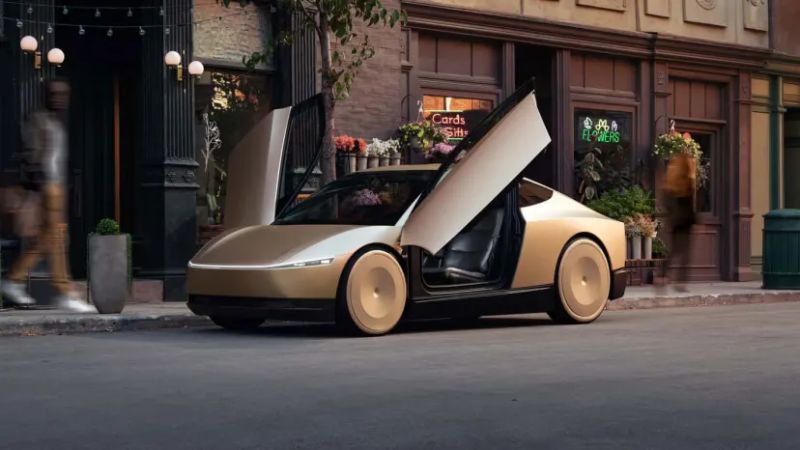
Tesla has officially introduced its long-awaited robot taxi, the Cybercab, at an event titled “We, Robot,” hosted by CEO Elon Musk. The Cybercab, set for production by 2027, aims to transform urban transportation with a projected price tag of under $30,000 and an operating cost of just $0.40 per mile. However, the company faces significant challenges ahead, including perfecting the technology, navigating regulatory hurdles, and developing the necessary infrastructure for charging and maintenance.
The unveiling of the Cybercab was the highlight of the elaborate “We, Robot” event, which featured five themed neighborhoods showcasing Tesla’s futuristic vision. Despite the excitement surrounding the launch, industry experts express skepticism regarding Tesla's timeline and the readiness of its technology. James Bore, director of the Bores Group, voiced concerns about the Cybercab's regulatory viability, stating, “There seems to be nothing transformative or different about the Tesla robotaxi — except that it lacks manual controls, so it’s not legal on the road in most of the world.”
Experts believe that the introduction of Tesla’s Cybercab and Robovan could disrupt both the transportation and logistics sectors, offering autonomous capabilities and low operating costs that could revolutionize last-mile delivery and ride-hailing services. Andrew Franks, co-founder of Reclaim247, emphasized the potential benefits, stating, “Judicial use of these cars may also assist people who are unable to drive, such as the aged and the disabled, in performing their day-to-day activities.”
The Cybercab presents a bold departure from Tesla’s existing models, featuring painted aluminum body panels to lower production costs. Notably, the vehicle lacks a steering wheel and pedals, emphasizing its fully autonomous design. Inside, the Cybercab is equipped with large padded seats, a minimalist cabin, and a prominent 20.5-inch center display that will provide entertainment and trip information for passengers.
Musk announced that the Cybercab will utilize an enhanced artificial intelligence system, building on Tesla’s existing offerings and boasting increased computing power. During the event, the company claimed that vehicles like the Cybercab could be 10 to 30 times safer than traditional human-driven cars, although the industry remains skeptical about these assertions.
Additionally, Tesla revealed plans for “Cybercab Hubs,” dedicated facilities for charging and cleaning the vehicles, featuring innovative inductive charging technology and robotic cleaning systems. Bore remarked on the technological challenges ahead, highlighting that established competitors are further along in their development and possess data to validate their safety records.
The event also introduced the Robovan, a versatile autonomous vehicle designed to transport up to 20 passengers or goods, and showcased Tesla’s Optimus humanoid robot, projected to cost between $20,000 and $30,000. Attendees interacted with the Optimus units, which demonstrated basic mobility and served drinks.
With production of the Cybercab slated to commence no later than 2027, Tesla has set an ambitious goal. As the company works to refine its technology and navigate regulatory landscapes, the industry watches closely to see if Musk and his team can turn this visionary concept into reality.
BOB Post