As cities across Asia grow faster than housing can keep pace, millions are being forced to adapt to shrinking living spaces that are reshaping daily life, family decisions, and public health.
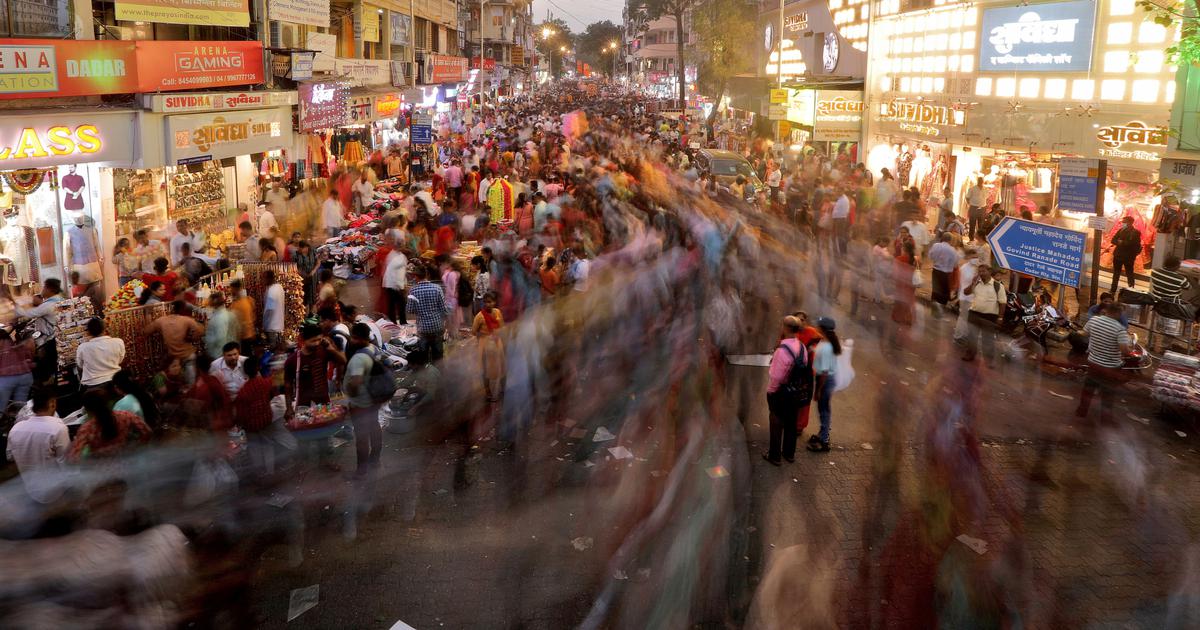
From Dhaka and Mumbai to Hong Kong, Singapore, Tokyo, and major Chinese cities, rapid urbanization has packed growing populations into increasingly smaller homes. In Greater Dhaka, population density exceeds 22,000 people per square kilometer, while many Hong Kong residents live in subdivided apartments measuring only a few square meters.
The consequences extend well beyond cramped housing. Overcrowded homes often leave little room for privacy, forcing families to share bedrooms, bathrooms, and workspaces. Children struggle to study in noisy environments, while adults face disrupted sleep and mounting stress. Research has linked overcrowded housing to higher rates of anxiety, psychological distress, and reduced overall well-being.
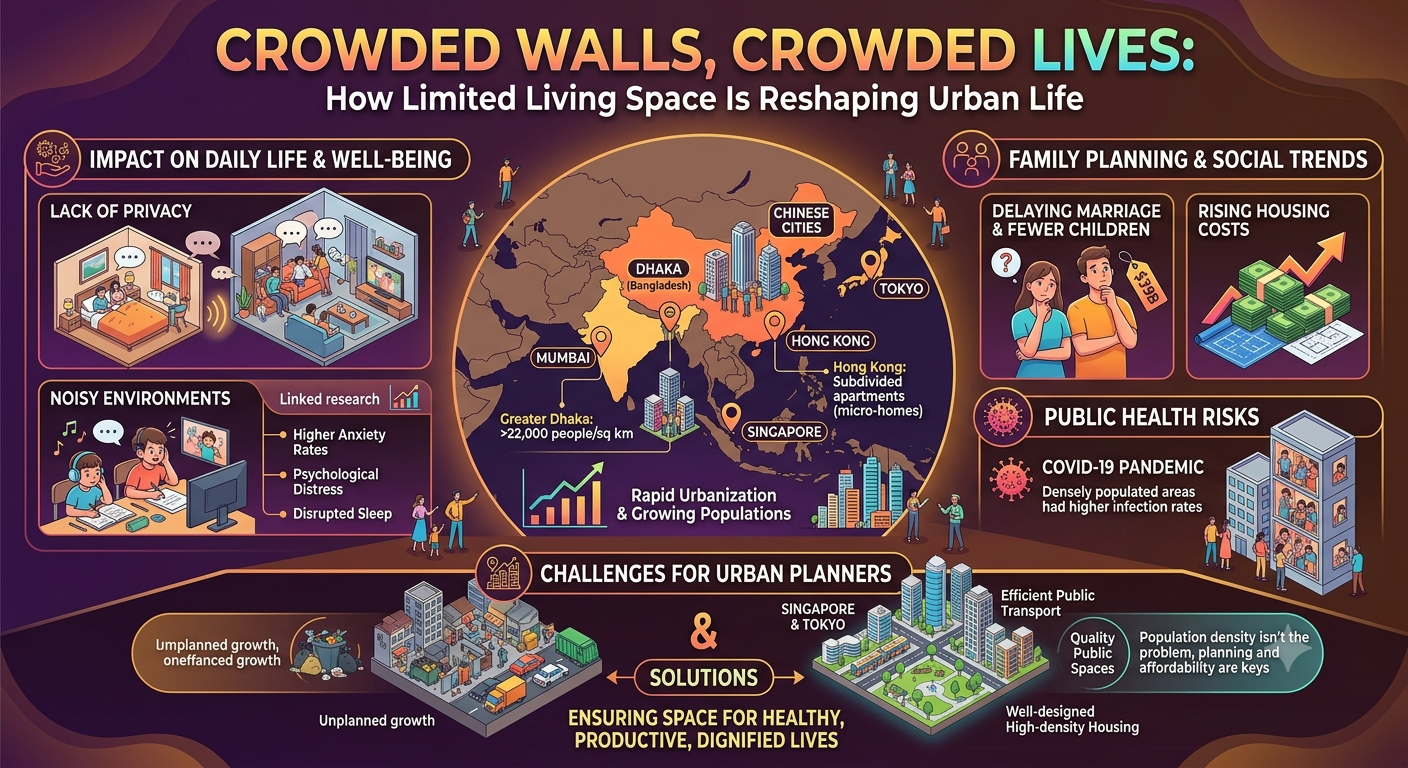
Limited living space is also influencing family planning. With housing costs continuing to climb, many young couples are delaying marriage or choosing to have fewer children. During the COVID-19 pandemic, densely populated neighborhoods also recorded higher infection rates, highlighting the health risks associated with overcrowded living conditions.
Experts note that population density itself is not the problem. Cities such as Singapore and Tokyo show that efficient public transport, well-planned housing, and quality public spaces can support high-density living while maintaining a good quality of life. However, housing affordability remains a major challenge even in these cities.
As migration, climate change, and economic pressures continue to draw people into urban centers, planners face a growing challenge: ensuring cities provide not only enough homes but also enough space for people to live healthy, productive, and dignified lives.
BOB Post