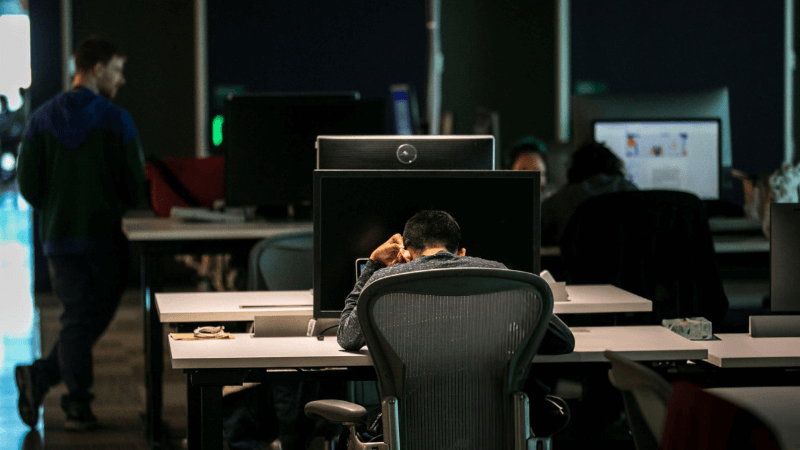
They are the unseen shield between the internet and its darkest realities. Every day, thousands of content moderators work to scrub social media platforms clean of violent, abusive, and traumatic content. Yet, while tech giants like Meta and TikTok rake in billions, these frontline workers often endure low wages, unsafe working environments, and severe mental health impacts — all behind a veil of secrecy.
Recent investigations have uncovered that conditions for content moderators continue to deteriorate, despite repeated promises from tech firms to prioritize worker wellbeing. In the latest revelations, Meta’s new outsourcing arrangement with global giant Teleperformance in Ghana has reportedly subjected moderators to some of the harshest environments documented to date.
Sources reveal that moderators employed in Accra are burdened with punishing performance targets, constant surveillance, and little access to psychological support. Many are paid just a fraction of what their work is worth, even as they are tasked with reviewing harrowing images of violence, abuse, and exploitation for hours on end.

"Workers are expected to absorb the worst humanity has to offer — and smile while doing it," said a labour rights attorney who recently visited the facility in Ghana. "The trauma these workers are experiencing is profound, yet the companies they serve seem more focused on profit margins than human dignity."
In a bid to manage growing reputational risks, companies like Meta have shifted their content moderation hubs to less scrutinized locations. After legal challenges and public outrage over working conditions at Kenyan contractor Sama, Meta quietly moved operations to Ghana — without informing the public or even many of the moderators’ own families.
Teleperformance, one of the world’s largest outsourcing firms, claims it offers wellbeing programs and wages double Ghana’s minimum. Meta insists its contracts demand above-standard pay and access to counseling. However, firsthand accounts from employees paint a different picture: systemic union-busting, meager salaries, overwhelming psychological trauma, and non-disclosure agreements that prevent workers from speaking freely about their experiences.
This troubling pattern is not new. In previous cases in Kenya and Colombia, workers describing similar abuses reported intimidation tactics when attempting to organize for better conditions. Meanwhile, social media companies continue to profit handsomely, depending on this cheap, hidden labour force to keep their platforms 'safe' and advertiser-friendly.

Experts warn that without urgent reforms, the human cost of content moderation will only continue to grow. Advocacy groups are calling for new global labour standards for digital workforces — including minimum protections for psychological health, the right to unionize, and transparent contracting practices.
“The people protecting our digital spaces deserve better,” said one human rights advocate. “Big Tech’s success has been built on their unseen sacrifices. It’s time the world sees — and values — them for it.”
As users, the power to demand accountability from these tech giants lies in collective action. The next time you scroll through a clean, curated feed, remember: someone paid the price for that safety. And they deserve not just our thanks, but our support.
Bob post