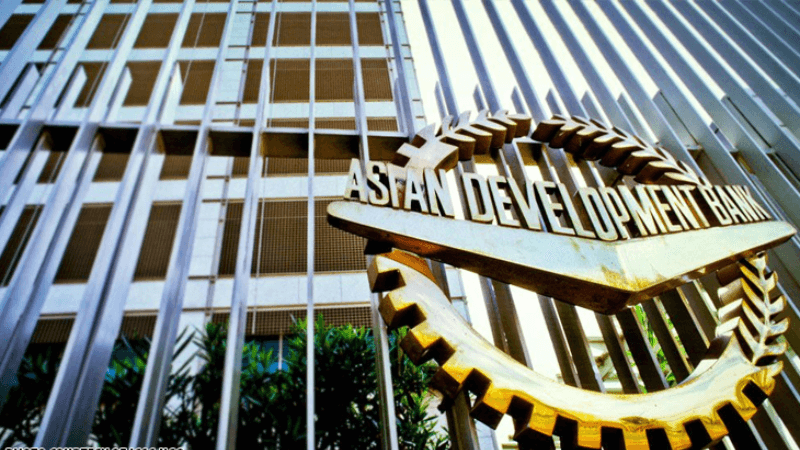
The Asian Development Bank (ADB) has marked a significant milestone in its climate finance efforts, allocating a record-breaking $9.8 billion in 2023. The funding is designated to aid developing member countries in Asia and the Pacific in reducing greenhouse gas emissions and adapting to climate impacts. This commitment represents a substantial 46% increase compared to the ADB's climate financing in 2022. Out of the total, $5.5 billion is dedicated to impact mitigation, while $4.3 billion supports adaptation efforts. This unprecedented commitment surpasses the ADB's initial goal, with over $10.4 billion in cumulative adaptation financing provided from 2019 to 2023, a year ahead of schedule.
The ADB, as the climate bank for Asia and the Pacific, plays a crucial role in addressing climate change. President Masatsugu Asakawa emphasizes the urgency of tackling climate change, considering the extreme weather impacts experienced in the region. The funding aims to assist developing members in transitioning toward sustainable, low-carbon economies and achieving net-zero goals. Asia, responsible for over half of global carbon dioxide emissions, faces both contributing to and being highly vulnerable to climate impacts. The ADB's commitment aligns with its target to provide $100 billion in climate financing from 2019 to 2030.
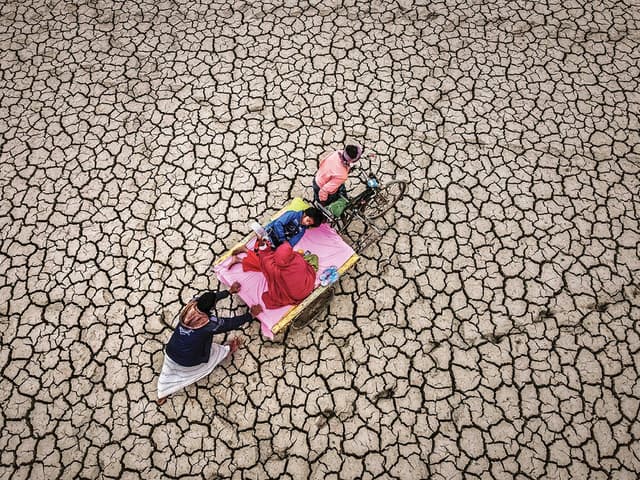
The ADB's commitment goes beyond financial allocations. In 2023, it exceeded its target by providing more than $10.4 billion in cumulative adaptation financing, surpassing the goal of $9 billion for 2019–2024. This achievement is crucial for the region facing challenges such as extreme heat, droughts, and heavy rains. The commitment underscores ADB's dedication to acting urgently and at scale to address the climate crisis.
Building on this momentum, the ADB has announced plans to program $10 billion in climate finance specifically for the Philippines between 2024 and 2029. This initiative aligns with the Philippines' climate action commitments under the Paris Agreement. By investing in climate resilience and sustainable development, the ADB continues to play a pivotal role in shaping a more resilient and environmentally conscious future for the region. The ADB's commitment has been well-received by the Cambodian government, highlighting the importance of international financial support in the fight against climate change.
The ADB's commitment to climate finance has garnered global recognition. President Masatsugu Asakawa acknowledges the impact of climate change on development and stresses the need for collective action. ADB's dedication to eliminating fossil fuels, promoting climate interaction, and supporting developing countries aligns with global goals. The urgency of addressing climate change is emphasized, particularly in the context of extreme weather events and their far-reaching consequences for energy security, food security, and economic growth in the region.
BOB Post