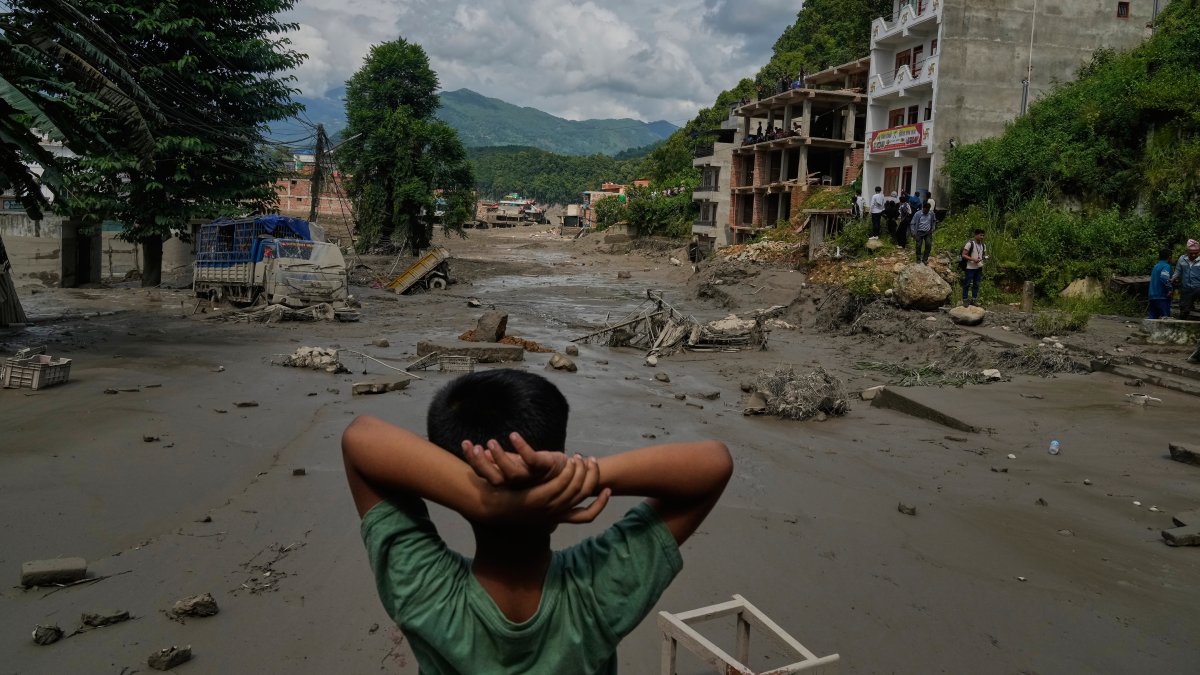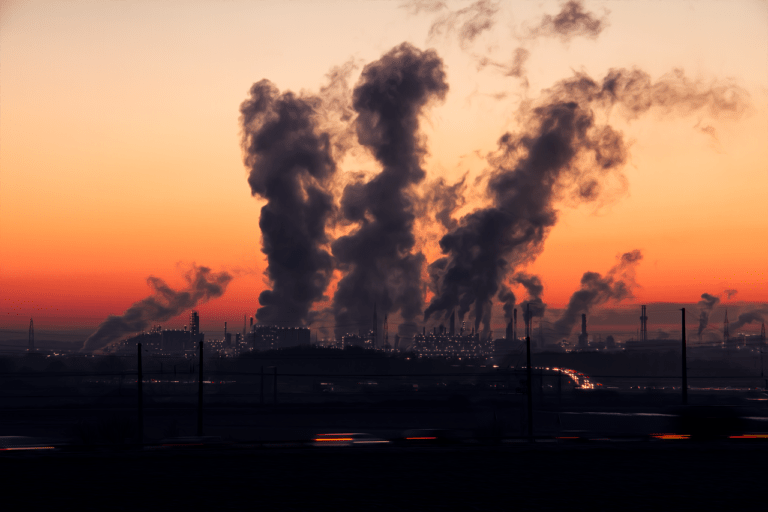
The world often measures progress in roads built, cities expanded and economies grown. Animals experience that same progress differently through shrinking forests, polluted rivers, broken migration routes and the steady disappearance of places where they once lived.
World Animal Day is being observed on October 4, drawing attention to the protection, welfare and rights of animals worldwide. The theme for World Animal Day 2026 is “See the World Through Their Eyes,” urging people to look beyond human needs and consider how environmental destruction and human activity affect other species.
The message carries particular weight across the Global South, where biodiversity-rich forests, wetlands, coastlines and grasslands are under growing pressure from urbanization, infrastructure projects, agricultural expansion, illegal wildlife trade and climate change. From elephants losing traditional corridors in South Asia to marine animals affected by plastic pollution and changing ocean conditions, the consequences are increasingly visible.
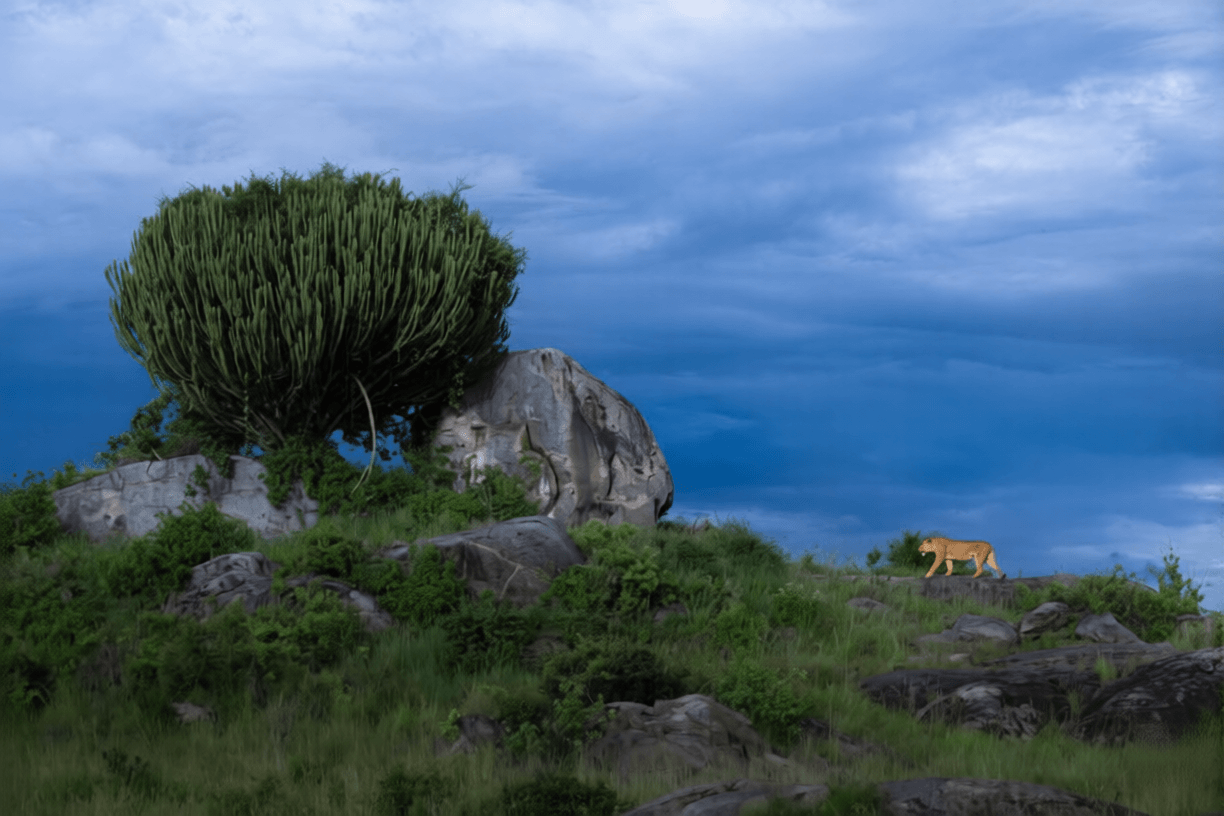
Animal rights advocates say conservation cannot be separated from animal welfare. Protecting a species while ignoring the suffering of individual animals, they argue, leaves an important part of the problem unresolved. Across developing countries, limited enforcement, weak wildlife protection systems and conflicts between people and animals continue to place both communities and wildlife at risk.
The Global South is home to some of the planet’s most important biodiversity, but many countries face the difficult task of protecting ecosystems while addressing poverty, food security and development needs. Conservation experts increasingly call for policies that involve local communities, protect natural habitats and recognise animals as living beings rather than simply economic or environmental resources.
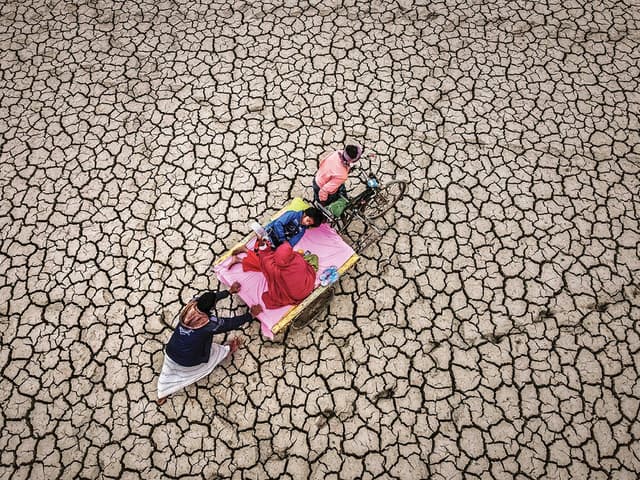
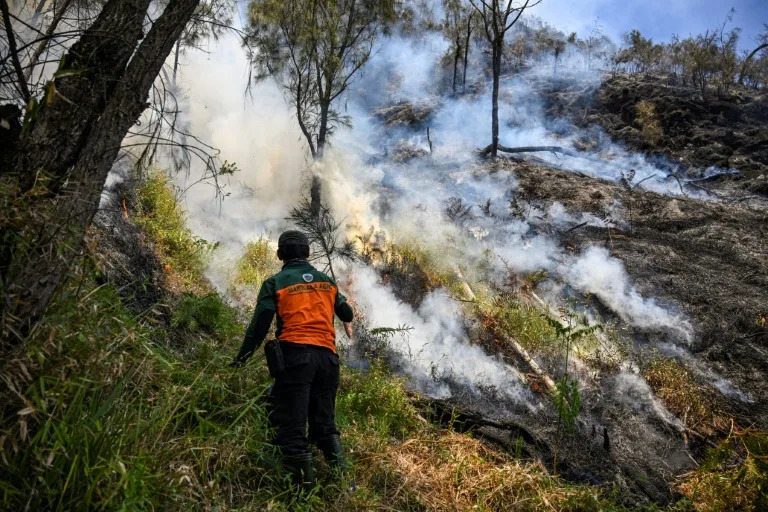
Climate change is adding another layer to the crisis. Rising temperatures, extreme weather, changing rainfall patterns and habitat loss are altering the conditions on which wildlife depends. Species that cannot move, adapt or find food quickly enough face growing risks, while those pushed closer to human settlements can become involved in conflict.
For South Asia, the challenge is especially immediate. Rapid development, fragmented forests and pressure on wetlands have narrowed wildlife habitats across the region. Yet the region also demonstrates how community-led conservation, protected areas and stronger enforcement can give threatened species a chance to survive.
Seeing the world through their eyes means asking a simple but uncomfortable question: what does our idea of development look like to a creature that has lost its forest, a bird that can no longer find a wetland, or an elephant forced onto a human road?
On World Animal Day, that change in perspective may be the most important beginning, not simply to save animals from extinction, but to build a world in which their right to live is considered part of our own future.
BOB Post