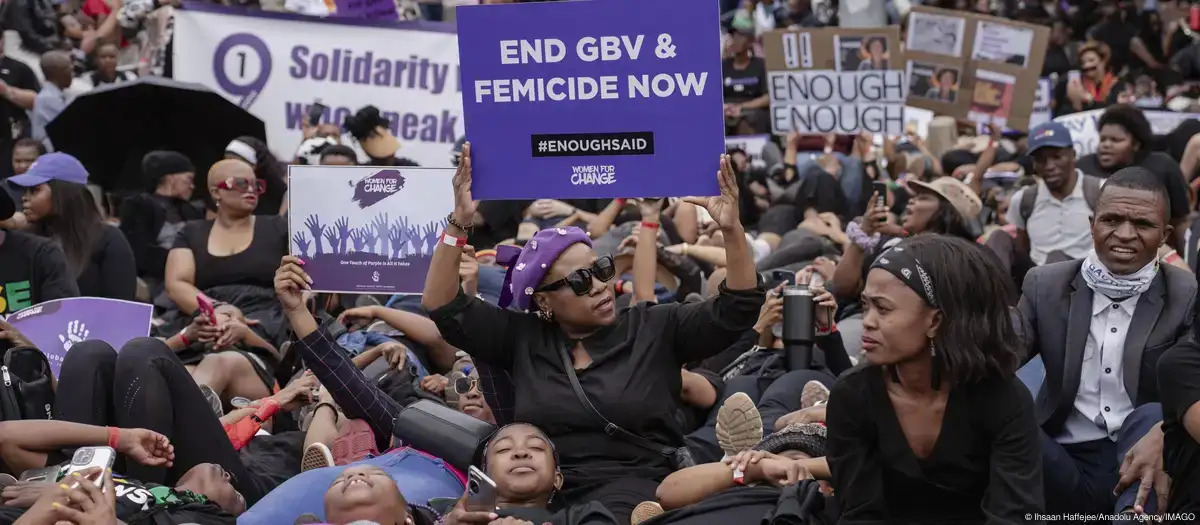
Nearly 47,000 women and girls were killed by their intimate partners or family members worldwide last year, exposing the persistent danger women face inside their own homes, according to a new United Nations report.
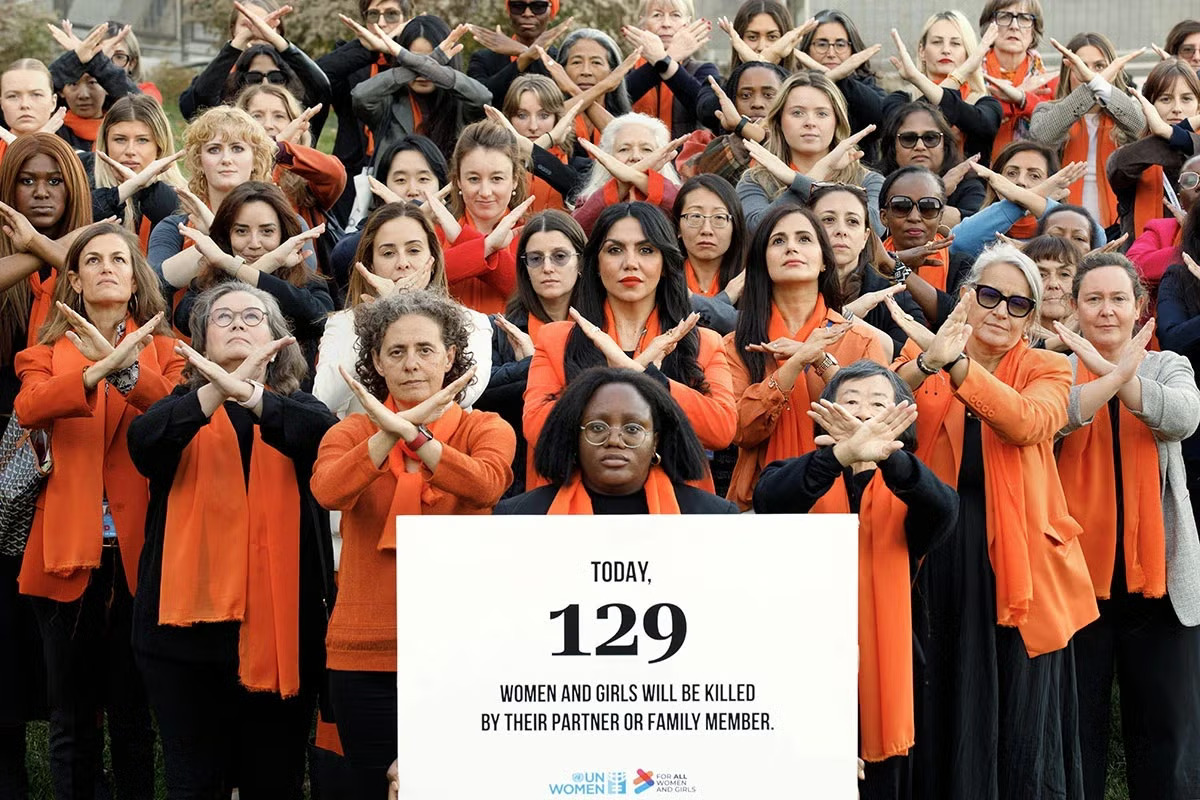
The figure means an average of 129 women and girls were killed every day, or roughly five every hour, in gender-related killings.
The findings were published in the 2026 Femicide Brief by the UN Office on Drugs and Crime (UNODC) and UN Women on Tuesday, ahead of the International Day for the Elimination of Violence against Women on November 25.
The report found that homes remain the most dangerous places for women and girls, with intimate partners and family members responsible for around 60 percent of the estimated 78,000 femicides recorded globally last year.
Although the number of victims was lower than the estimated 50,000 recorded in 2024, the UN said the decline largely reflected improvements in data collection rather than a genuine reduction in killings.
According to Al Jazeera, no region of the world remains untouched by femicide, although the scale of the problem varies considerably. Africa recorded the highest rate, with 2.9 victims per 100,000 female population, followed by the Americas at 1.4, Oceania at 1.1, Asia at 0.6 and Europe at 0.5.
The report also highlighted how deeply rooted social attitudes and weak institutional protection continue to put women at risk.
UNODC Executive Director Monica Juma said harmful social norms, discriminatory attitudes and failures in institutional safeguards were creating conditions in which violence against women could become normalised.
She called for stronger action across society, including efforts to change harmful attitudes, address domestic violence and strengthen programs to protect victims and hold perpetrators accountable.
UN Women warned that femicide rarely happens as an isolated incident. In many cases, it follows a prolonged pattern of abuse, threats and violence. Yet, many victims either never seek help or cannot access effective protection, allowing perpetrators to escape justice.
"When warning signs go unreported, cases are not properly investigated, women and girls are not protected and perpetrators are not brought to justice, the consequences can be fatal," UN Women Executive Director Sima Bahous said.
The report further found that progress in reducing femicide has lagged behind the broader decline in global homicide rates.
Between 2010 and 2025, homicide rates fell almost twice as fast as femicide rates in the Americas and around 1.5 times as fast in Europe, highlighting the persistent gap in efforts to prevent gender-based killings.
The findings underline the need for early intervention, accessible reporting systems, stronger legal protection and effective support services to prevent violence from turning deadly.
BOB Post