The growing number of Rohingya risking dangerous sea journeys across the Bay of Bengal should not be viewed simply through the lens of shrinking humanitarian aid. Such a narrative is convenient, but incomplete. It overlooks the deeper forces that have trapped nearly one million Rohingya in prolonged exile and allowed human trafficking networks to flourish. Hunger may deepen vulnerability, but it is statelessness, uncertainty and the absence of a political solution that push people to entrust their lives to smugglers.
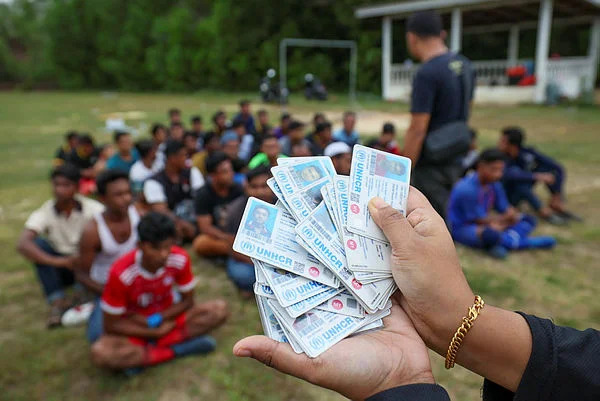
A recent report by the South China Morning Post captures the grim reality unfolding in and around the refugee camps in Bangladesh. Traffickers continue to prey on families who have spent years without legal identity, meaningful education, employment or any prospect of returning home. Many leave not because food rations have fallen, but because they no longer see a future. The boats departing the Bay of Bengal carry people escaping indefinite limbo as much as economic hardship.
Reducing the crisis to declining aid risks shifting attention away from where it belongs. Humanitarian assistance was never intended to become a permanent substitute for justice. Food assistance can keep people alive, but it cannot restore citizenship. Shelters can protect families from rain, but they cannot replace a homeland. Refugee camps, regardless of how well they are funded, cannot become permanent settlements for a people denied their identity by their own state.
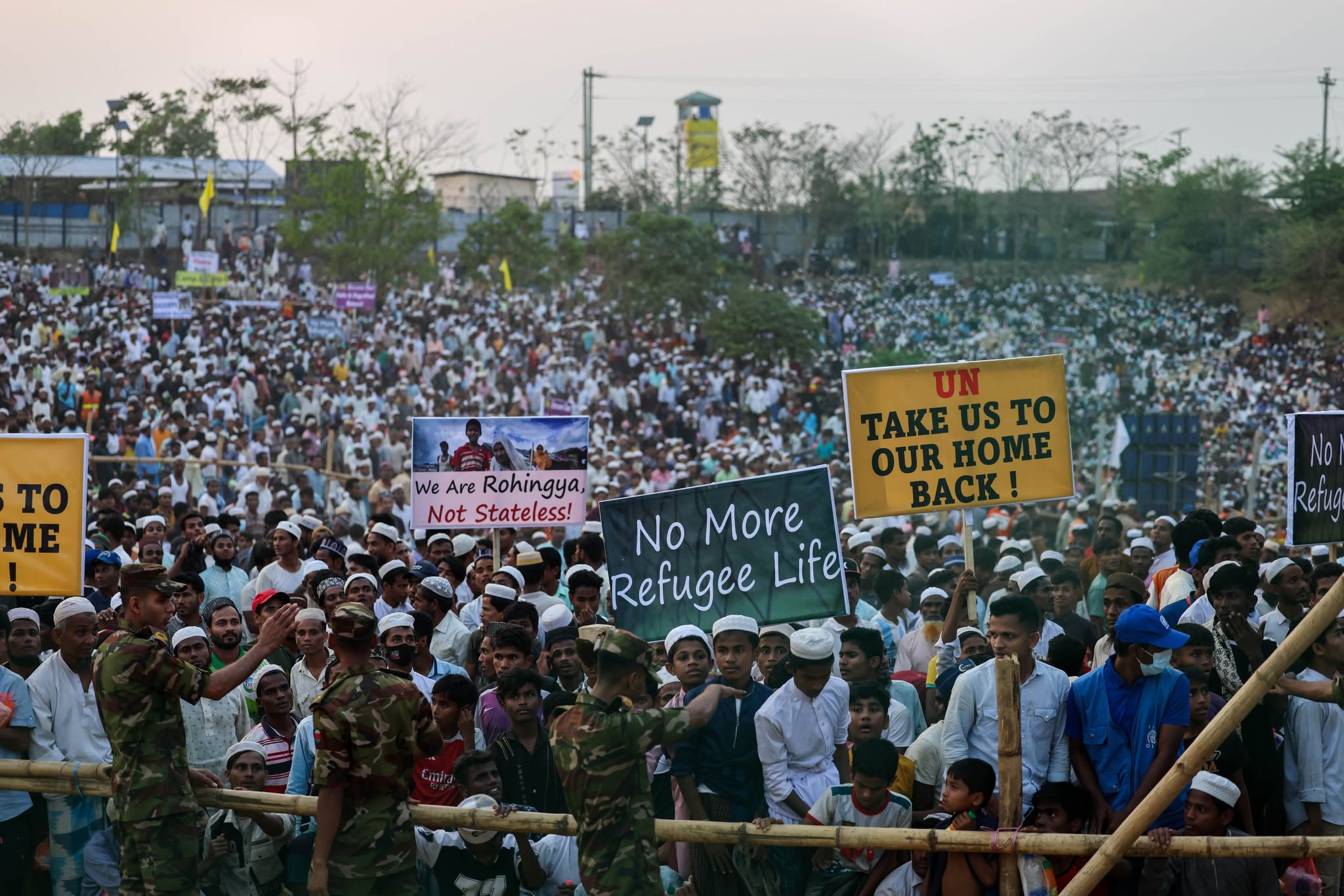
The international community has spent years managing the consequences of the Rohingya crisis while making little progress in addressing its cause. Diplomatic statements have multiplied, humanitarian appeals have continued and sanctions have expanded, yet none has brought the Rohingya any closer to a safe, voluntary and dignified return to Myanmar. The absence of sustained international pressure and an enforceable roadmap for repatriation has created the vacuum in which traffickers now operate. Every failed diplomatic effort strengthens criminal networks that profit from despair.
The responsibility therefore lies not with the refugees, nor with the country that has sheltered them, but with a global governance system that has struggled to move beyond crisis management. As long as Myanmar remains unwilling to guarantee citizenship, security and basic rights, the cycle of displacement will continue regardless of how much aid is delivered to the camps. Human trafficking is not merely a humanitarian problem; it is the consequence of an unresolved political failure.
Bangladesh, for its part, has done far more than could reasonably be expected of a developing nation. For nearly a decade, it has kept its borders open to people fleeing persecution, hosted the world's largest refugee settlement, worked with UN agencies and humanitarian partners, borne significant economic, environmental and security costs, and consistently placed repatriation at the center of every regional and international forum. Despite immense domestic pressures, Dhaka has maintained that the only sustainable solution lies inside Myanmar not inside Rohingya camps.
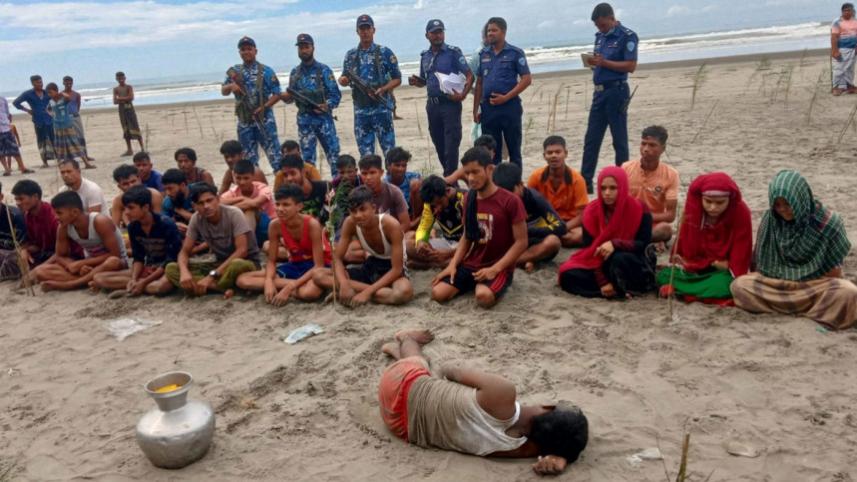
The Rohingya crisis should therefore be measured not by the size of humanitarian appeals, but by the world's inability to restore the rights of a persecuted people. Every overcrowded boat leaving the Bay of Bengal is a reminder that the failure is political before it is humanitarian. Until the international community treats repatriation as an urgent collective responsibility rather than a distant aspiration, traffickers will continue to exploit the vacuum left by diplomacy, and the sea will remain an escape route for those who have been denied a home for far too long.
BOB Post