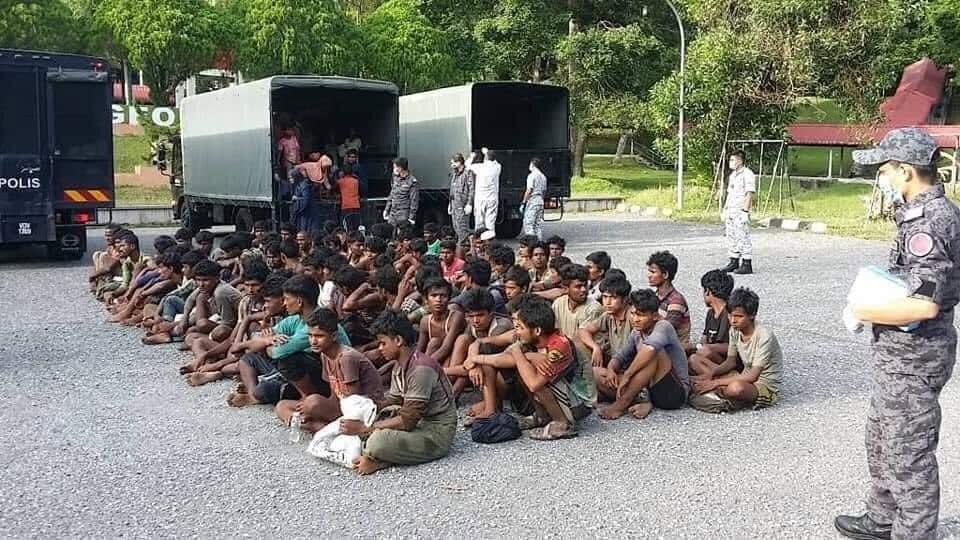
Malaysia has begun repatriating around 1,500 Myanmar nationals as part of a wider plan to return up to 5,000 people, despite concerns from the United Nations and rights groups over the safety of those being sent back.
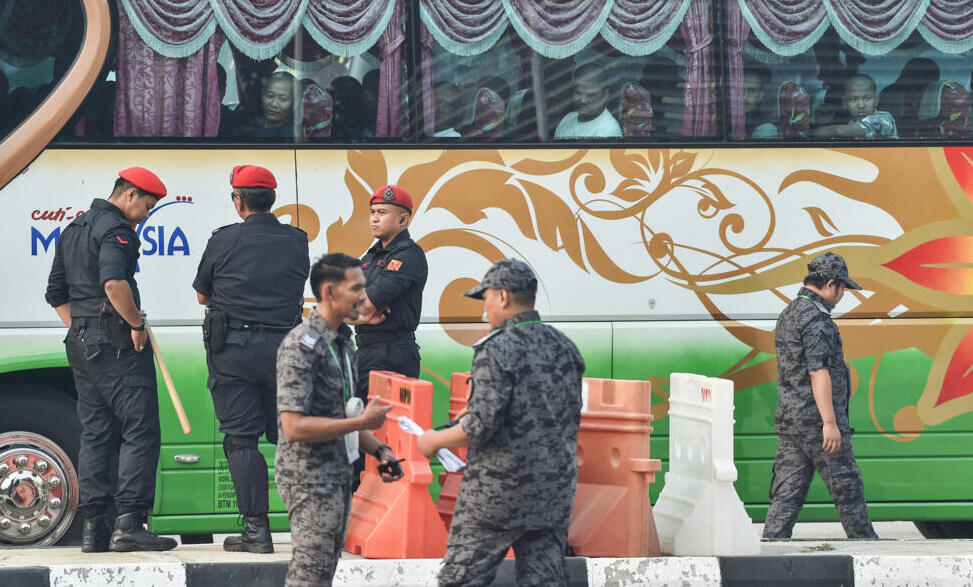
Dozens of buses carrying Myanmar nationals arrived under police escort at a stadium near the Lumut naval base in Perak on Tuesday before the group was moved towards the port. Myanmar naval vessels and a hospital ship were waiting to transport them to Myanmar, according to witnesses cited by Reuters.
Malaysia has described the repatriation as voluntary and said the programme was agreed with Myanmar. The Home Ministry said the first group included 1,476 Myanmar nationals identified by the Myanmar government.
According to an RFI report, the migrants were due to be processed at the Majlis Perbandaran Manjung stadium before being taken to the nearby naval base. A Myanmar security source said the vessels were expected to reach Thanlyin Navy Base near Yangon towards the end of the week.
The exact number of Rohingya in the first group remains unclear. Prime Minister Anwar Ibrahim said in July that Myanmar had agreed to accept up to 5,000 Rohingya, but Malaysian authorities have not publicly confirmed how many Rohingya are among those being returned. Reuters also reported that it was unclear whether any Rohingya refugees were included in Tuesday's group.
The move has raised concern because Myanmar remains engulfed in armed conflict more than five years after the 2021 military coup. The UN refugee agency has said current conditions do not support the safe and sustainable return of refugees and said it was not involved in identifying those being repatriated.
More than 160 civil society organisations last week called on Malaysia to suspend the planned deportations, warning that people returned to Myanmar could face violence, detention or forced military conscription.
Malaysia hosts about 193,000 refugees from Myanmar, around two-thirds of them Rohingya, according to UNHCR data cited by Reuters. The Rohingya have faced persecution in Myanmar for decades, with hundreds of thousands fleeing the country following the military crackdown in 2017.
The Rohingya crisis has also become increasingly sensitive in Malaysia, where online hate speech and misinformation have contributed to growing hostility towards the community. Malaysia is not a party to the 1951 Refugee Convention and does not formally recognize refugee status.
Rights groups have warned that returning Rohingya to Myanmar could expose them to renewed persecution. The 2017 military campaign against the Rohingya is also at the centre of a genocide case at the International Court of Justice.
More than 1.2 million Rohingya remain in Bangladesh, where efforts to organize a safe and sustainable return to Myanmar have made little progress.
BOB Post