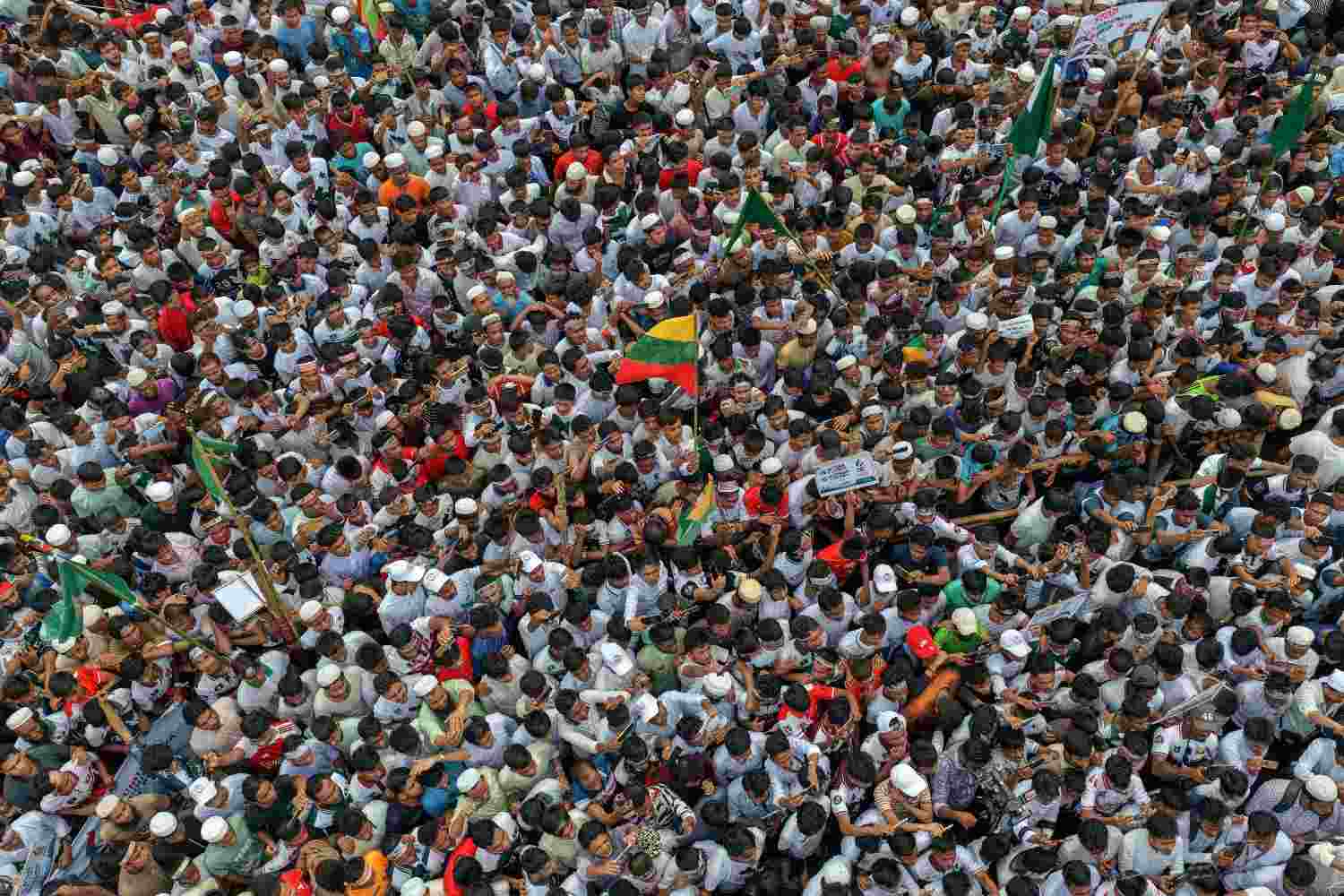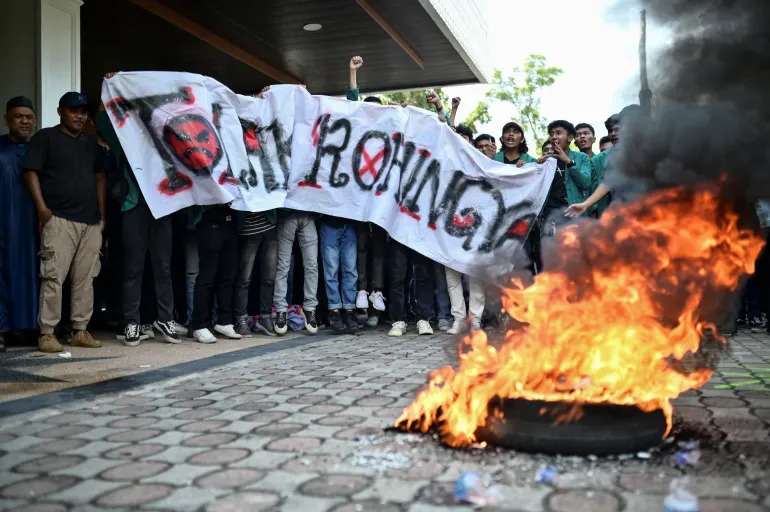
A new wave of hate speech and disinformation targeting the Rohingya community is spreading across Malaysian social media, with rights groups warning that false narratives are fuelling discrimination and hostility against one of Southeast Asia's largest refugee populations.
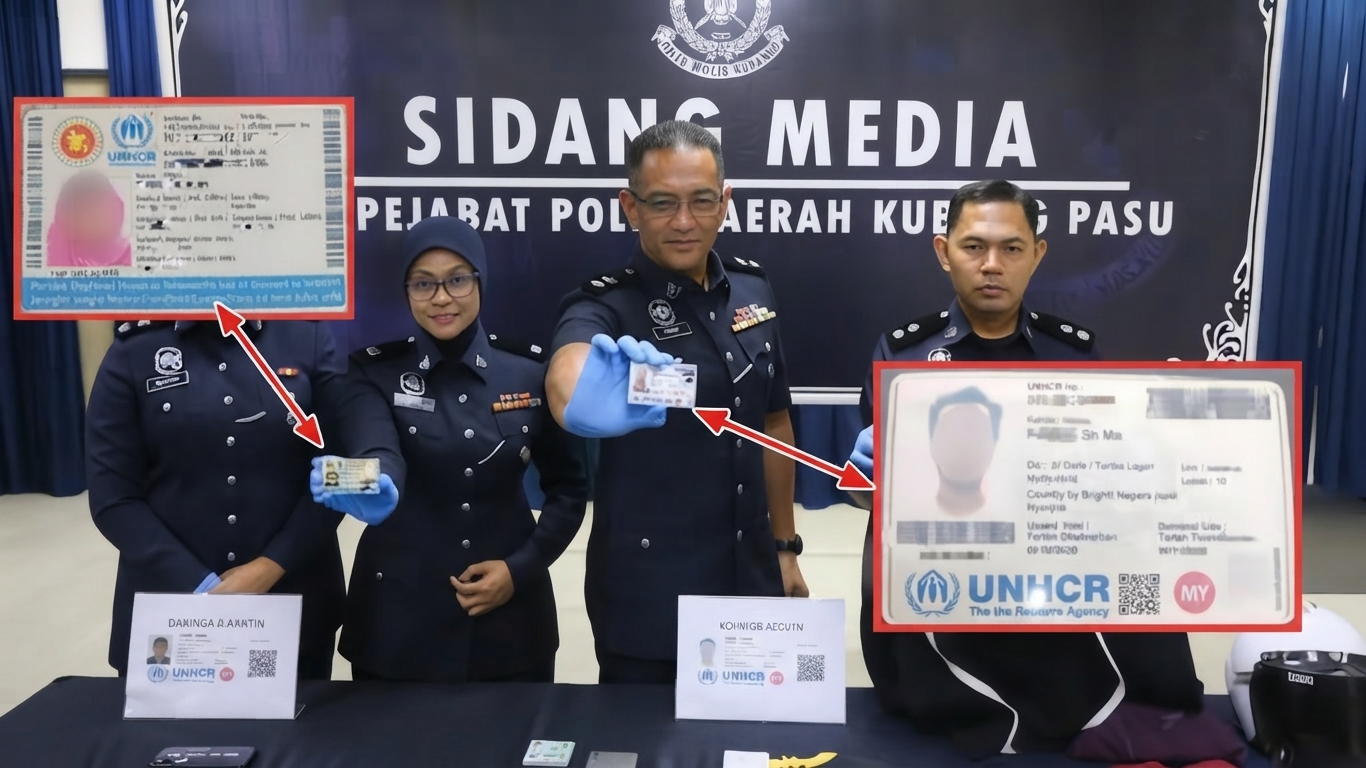
An investigation by AFP Fact Check found that fabricated quotes, AI-generated images, manipulated videos and false statistics about Rohingya refugees are being widely shared on Facebook, Instagram and TikTok. Many of the viral claims have been debunked as false or misleading.
Analysts say anti-Rohingya misinformation has existed for years but has intensified ahead of Malaysia's expected general election, as immigration and national identity become increasingly politicized.
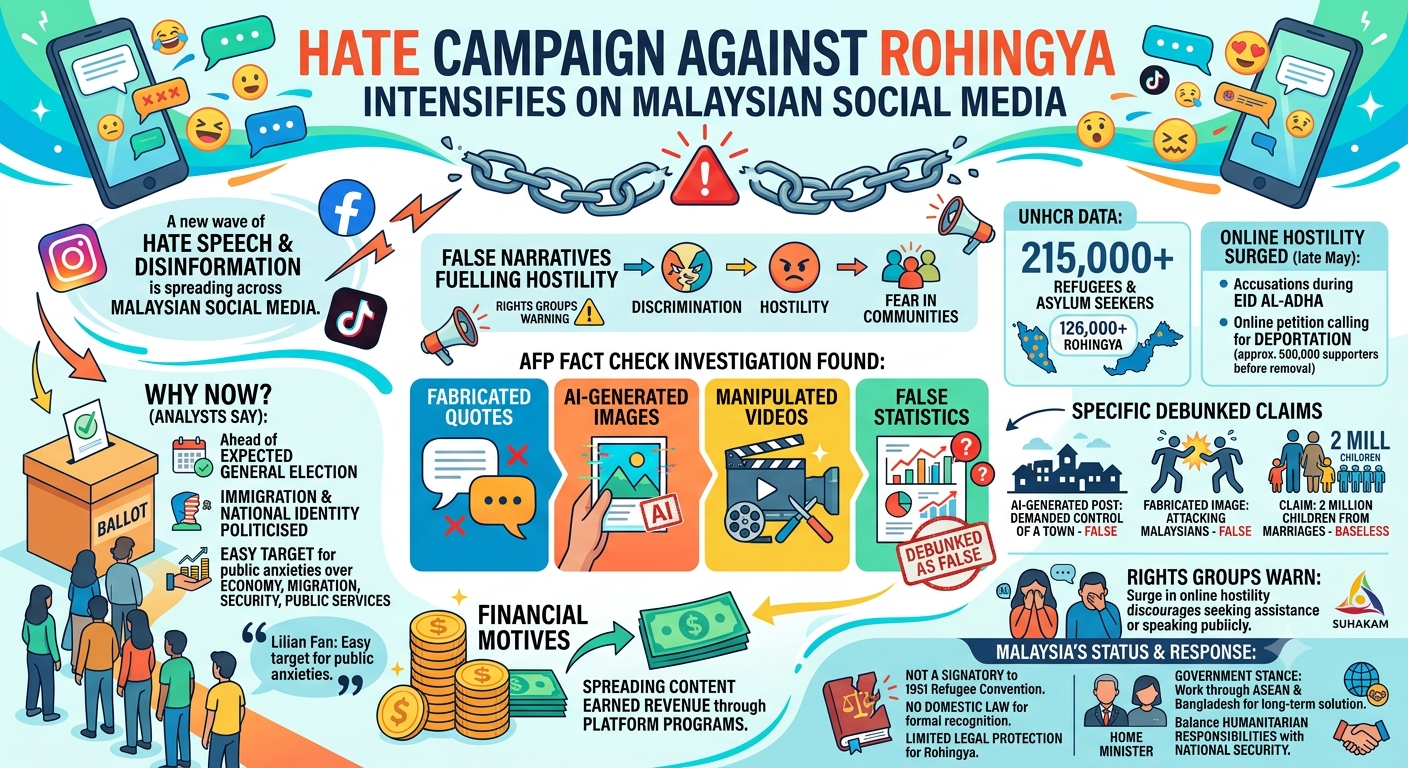
Lilian Fan, head of the secretariat of the Malaysia Advisory Group on Myanmar, said the Rohingya have become an easy target for public anxieties over the economy, migration, security and public services.
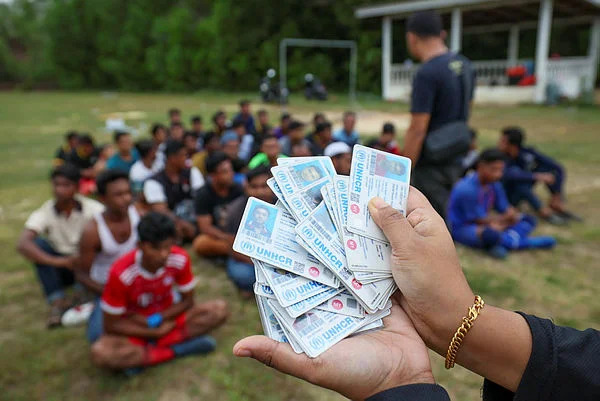
According to the UN refugee agency (UNHCR), Malaysia hosts more than 215,000 refugees and asylum seekers, including about 126,000 Rohingya.
Anti-Rohingya sentiment surged in late May after social media users accused Rohingya refugees of polluting public areas during Eid al-Adha. The allegations sparked an online petition calling for their deportation, which drew nearly 500,000 supporters before being removed.
AFP also debunked several viral claims, including an AI-generated post alleging Rohingya refugees demanded control of a Malaysian town and a fabricated image claiming Rohingya were attacking Malaysians. Another widely shared claim that marriages between Malaysians and Rohingya had produced two million children was dismissed by experts as baseless.
Malaysia's Human Rights Commission (SUHAKAM) has expressed concern over the growing spread of online hate speech and discriminatory rhetoric targeting the Rohingya community.
Victoire Rio, a France-based information integrity analyst, said some accounts spreading anti-Rohingya content had reportedly earned revenue through Facebook's partner publisher programme, highlighting how financially motivated actors often exploit politically sensitive issues to maximise engagement.
Rights groups warn that the surge in online hostility is discouraging many Rohingya refugees from seeking assistance or speaking publicly for fear of harassment.
Although Malaysia is one of Southeast Asia's largest refugee-hosting countries, it is not a signatory to the 1951 UN Refugee Convention and does not formally recognise refugees under domestic law, leaving Rohingya with limited legal protection.
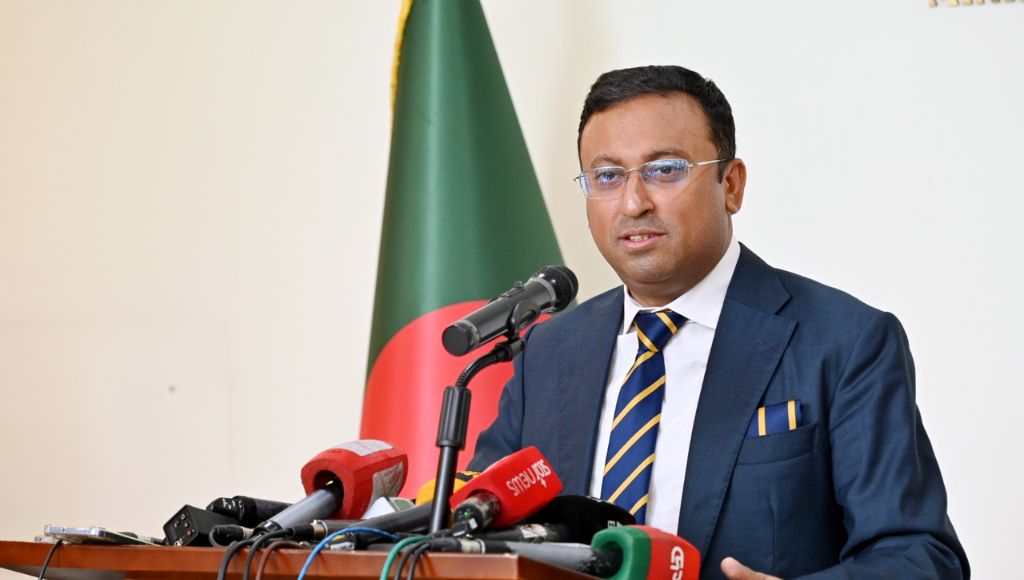
Prime Minister Anwar Ibrahim has said Malaysia will continue working through ASEAN and with Bangladesh to seek a long-term solution to the Rohingya crisis, while Home Minister Saifuddin Nasution Ismail said the government would balance humanitarian responsibilities with national security concerns.
BOB Post