Bangladesh has called on BIMSTEC member states to play a more active role in increasing international pressure on Myanmar to create conditions for the safe, voluntary and sustainable return of Rohingya refugees, warning that the protracted crisis continues to place a heavy humanitarian and socio-economic burden on the country.
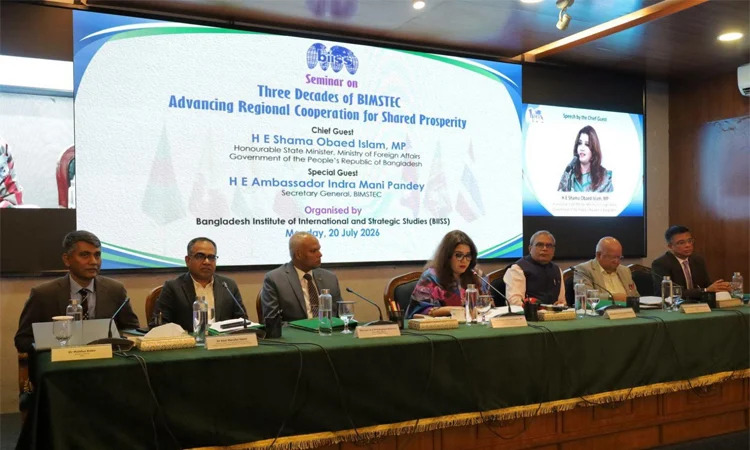
Speaking at a seminar titled "Three Decades of BIMSTEC: Advancing Regional Cooperation for Shared Prosperity" at the Bangladesh Institute of International and Strategic Studies (BIISS) in Dhaka on Monday, State Minister for Foreign Affairs Shama Obaed Islam said the Rohingya crisis can no longer remain Bangladesh's responsibility alone and requires stronger regional engagement.
Bangladesh currently hosts more than 1.2 million Rohingya refugees who fled persecution and conflict in Myanmar's Rakhine State. The prolonged displacement has placed increasing pressure on the country's economy, local communities, public services, environmental resources and security, while prospects for repatriation remain stalled due to continuing instability in Myanmar.
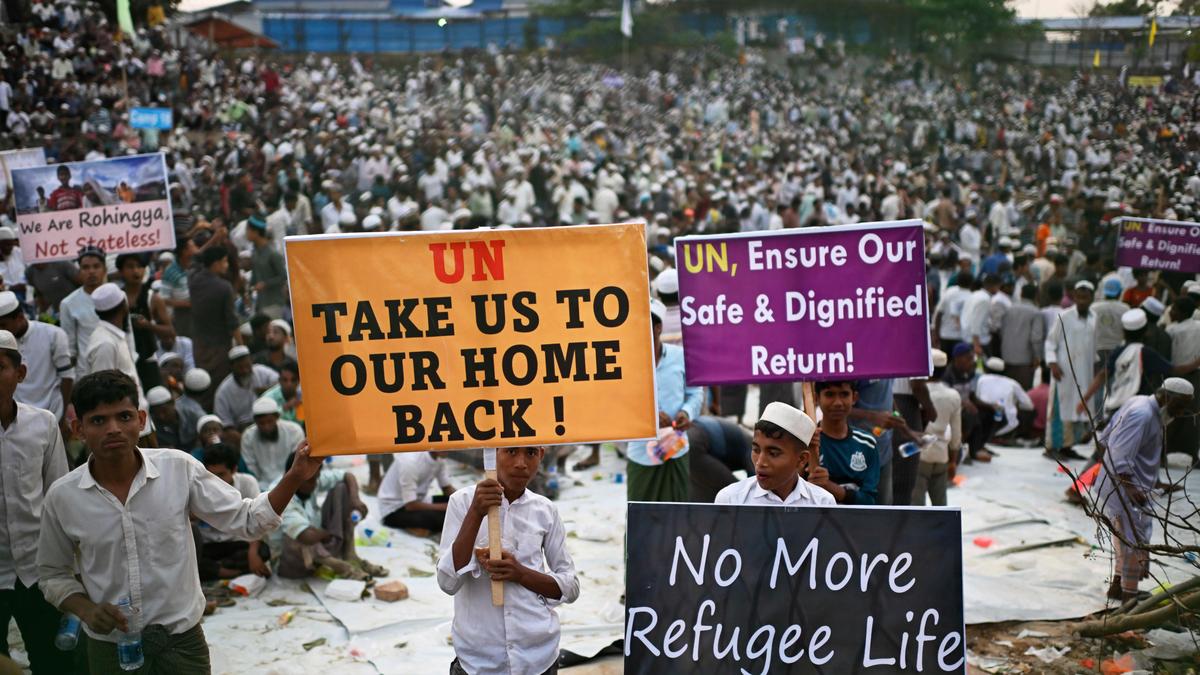
"The international community must exert effective pressure on Myanmar to ensure the safe, voluntary and sustainable repatriation of the Rohingya," the state minister said, adding that coordinated efforts by BIMSTEC countries could play an important role in advancing that objective.
As the current chair of BIMSTEC, Bangladesh remains committed to promoting a peaceful, resilient and prosperous Bay of Bengal region, she said. Dhaka will work closely with member states to strengthen regional economic integration, connectivity, trade and investment, the blue economy and people-centered cooperation.
Shama also stressed the need to translate regional commitments into concrete actions by enhancing institutional capacity and practical cooperation within BIMSTEC, expressing hope that recommendations from the seminar would help strengthen Bangladesh's leadership in the regional grouping.
BIMSTEC Secretary General Indra Mani Pandey, speaking as the special guest, highlighted the organization's ongoing initiatives in women's empowerment, climate adaptation, regional power grid connectivity, energy cooperation, cyber security, maritime security, counter-terrorism, combating transnational crime, tourism, visa facilitation, and trade and investment.
The seminar also reviewed BIMSTEC's progress over the past three decades and emphasized strengthening the organization's institutional capacity, expanding regional connectivity and economic cooperation, enhancing security collaboration, and pursuing practical initiatives to ensure peace, stability and sustainable development across the Bay of Bengal region.
Senior government officials, diplomats from BIMSTEC member states, representatives of international organizations, academics, researchers, development partners, members of the armed forces, private sector representatives and policymakers attended the event.
BOB Post