Every year on February 2, World Wetlands Day reminds us of the vital role wetlands play in keeping our planet healthy. In 2026, the focus is sharper than ever as we face growing threats from climate change, pollution, and rapid development. Wetlands those often-overlooked areas where water meets land act as natural shields. They absorb floodwaters, store carbon, and provide homes for countless species. Protecting them means protecting our future.
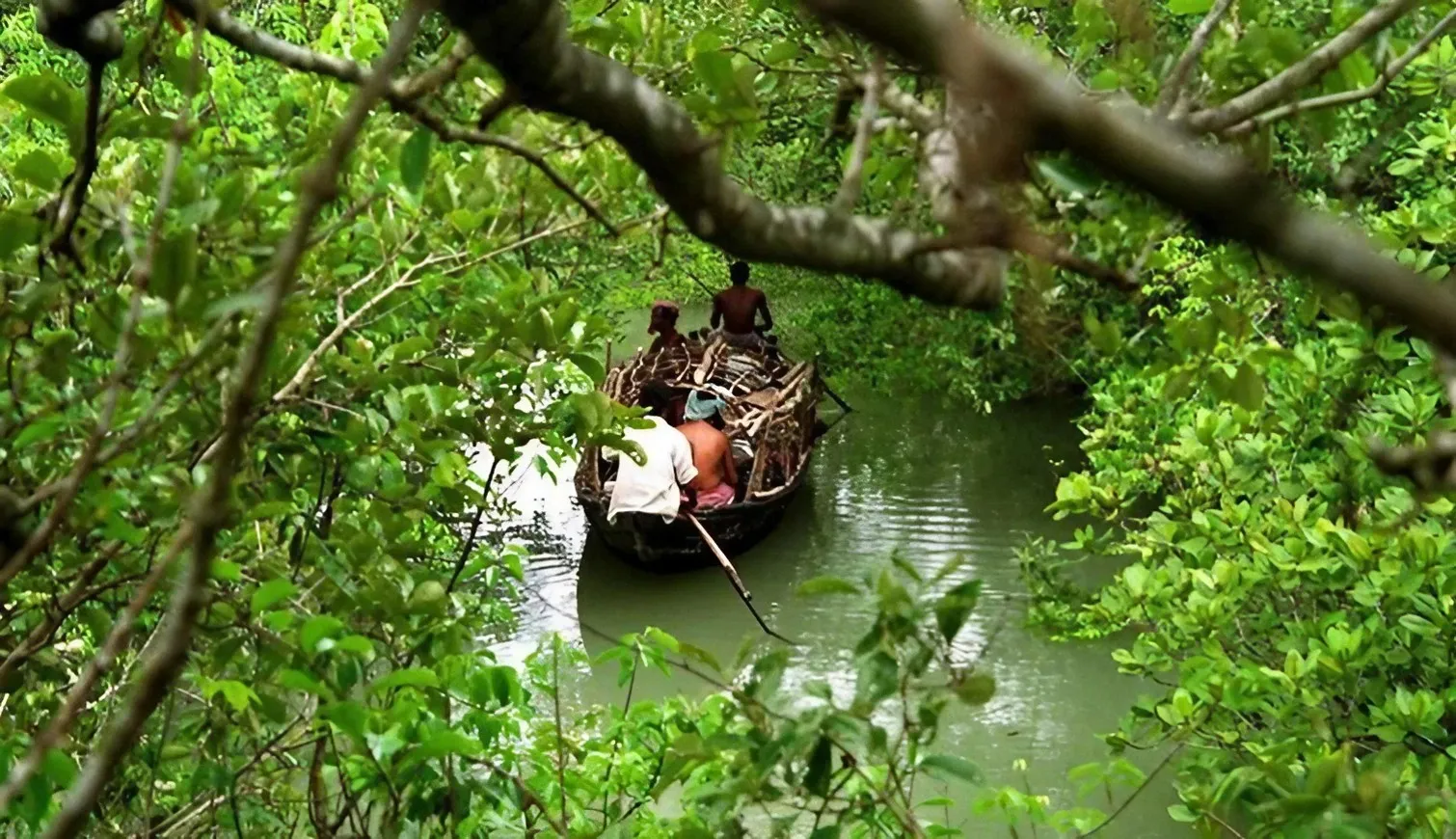
For Bangladesh, wetlands are more than just landscapes; they are lifelines. From the vast haors in the northeast to the Sundarbans mangrove forest in the south, these wetlands support millions through fishing, farming, and natural flood control. But these precious ecosystems are under threat. Pollution, encroachment, and climate change are shrinking wetland areas, putting livelihoods and biodiversity at risk. On this World Wetlands Day, local groups and authorities are urging stronger laws and community-driven conservation efforts to save these vital spaces.
Around the world, wetlands are disappearing at an alarming rate faster than forests. Countries are responding by stepping up restoration projects and updating policies to protect these natural resources. The Ramsar Convention and other global agreements guide these efforts, but progress varies widely. Some nations are expanding protections and investing in sustainable management, while others lag behind, weighed down by short-term economic interests.
In 2026, World Wetlands Day is more than a day of awareness; it’s a call to action. It challenges governments and communities to move beyond promises and ensure wetlands are safeguarded through effective laws and practical conservation. Because in the end, healthy wetlands mean a safer climate, richer biodiversity, and a better life for us all.
BOB Post