The United States has imposed sweeping sanctions on 19 companies and individuals in Myanmar and Cambodia accused of running large-scale cyber fraud operations that have stolen more than $10 billion from American citizens.
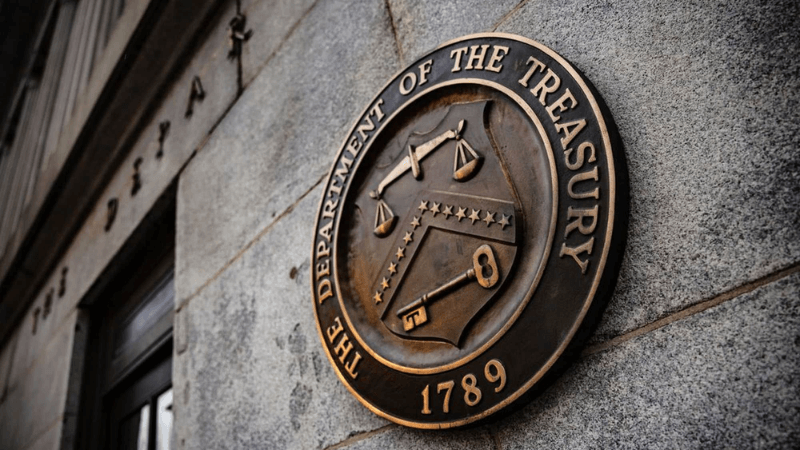
Announced by the US Treasury Department on Monday (September 8), the sanctions target criminal syndicates tied to investment scams, money laundering, and illegal gambling. Officials described these networks as exploiting Southeast Asia’s political instability, particularly in Myanmar following the 2021 military coup, to expand a shadow economy built on forced labor and cybercrime.
According to the Treasury’s statement, criminal groups recruit victims from across Asia through fake job offers, then confine them in so-called “fraud complexes” that operate like prisons. Inside, hundreds of thousands are forced into online scams such as cryptocurrency “pig butchering” schemes, while suffering physical abuse, debt slavery, and even threats of sexual exploitation.
“The Southeast Asian cyber fraud industry not only threatens the financial security of American citizens, but also subjects thousands of people to modern slavery,” said John K., Deputy Secretary for Terrorism and Financial Intelligence.

Nine of the sanctioned entities are based in Shwe Kokko, a notorious hub in Myanmar’s Karen State near the Thai border. Established in 2017 through a partnership between Hong Kong-based Yatai International Holding Group and the Karen National Army (KNA) an armed group aligned with Myanmar’s military Shwe Kokko has become a global symbol of the junta’s complicity in organized crime. Analysts note that since 2021, fraud centers have expanded deeper into military-controlled areas, showing how the junta profits from international criminal networks while the country suffers conflict and repression.
The remaining ten sanctioned groups are located in Cambodia, especially in Sihanoukville and Bavet, where Chinese-linked syndicates disguise their fraud centers as casinos, hotels, and office blocks.
The sanctions freeze assets under US jurisdiction and bar American entities from financial transactions with the listed organizations. US Secretary of State Marco Rubio stressed that the measures are meant to protect American citizens from “industrial-scale fraud, forced labor, and the theft of life savings.”
Experts say the sanctions could disrupt up to 15% of current operations, though networks may shift locations to evade enforcement. Still, rights groups argue the move underscores how Myanmar’s military junta has turned parts of the country into safe havens for global criminal activity, fueling both corruption and conflict.
Neither the Myanmar junta nor the Cambodian government has issued a response.
BOB Post