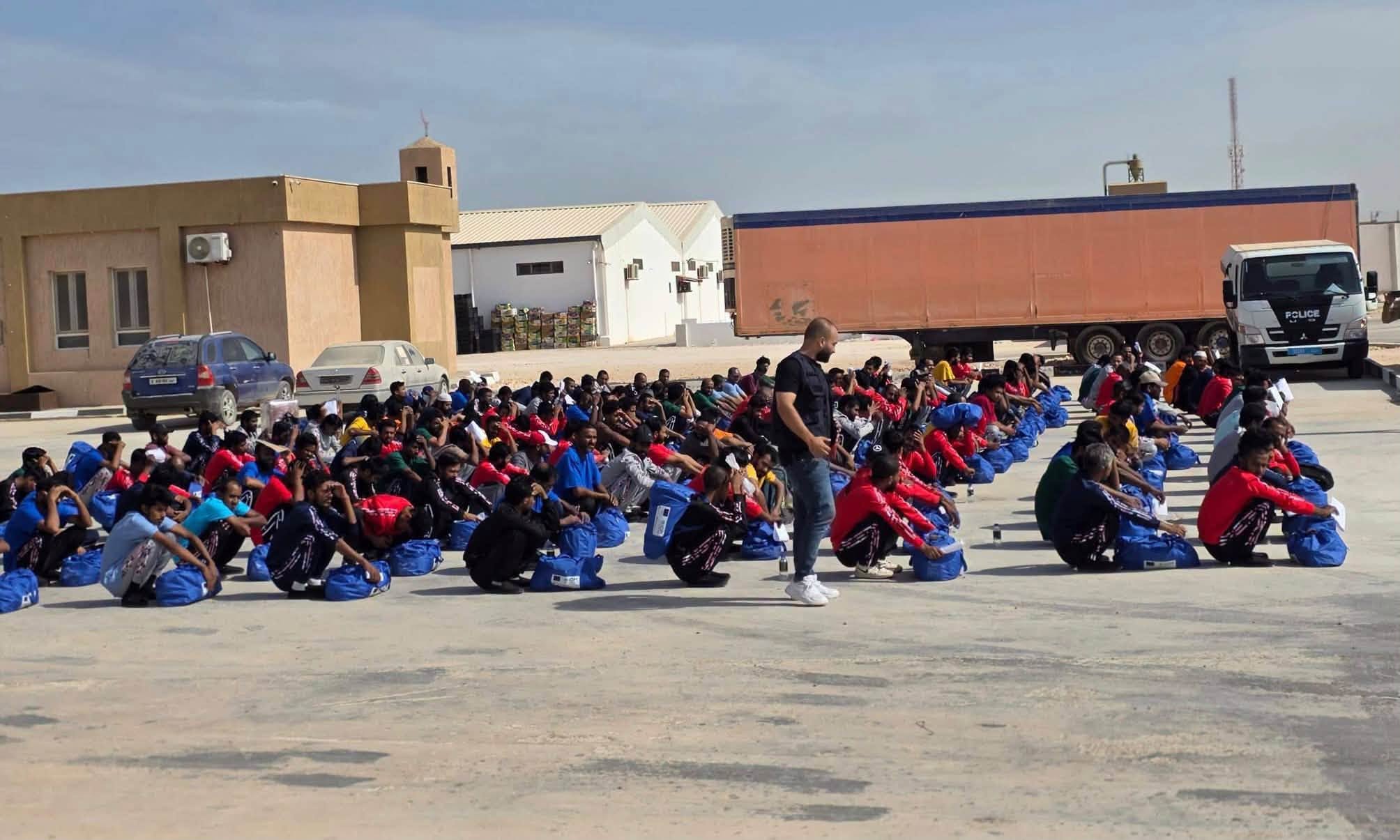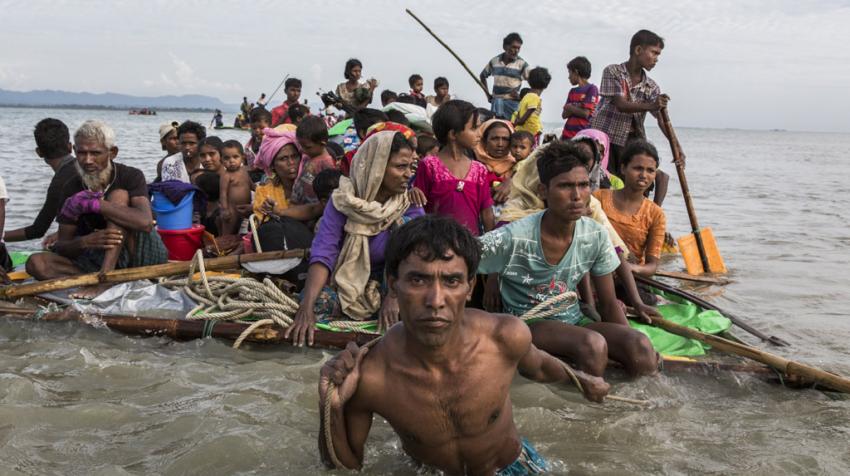
The United Nations High Commissioner for Refugees (UNHCR) has rolled out the Routes Monitor, a pioneering data platform offering an unprecedented overview of mixed migration movements worldwide. Updated monthly, the platform consolidates data from UNHCR, national authorities, partner organizations, and media sources to map evolving human mobility patterns across continents.
According to UNHCR, the Routes Monitor will help humanitarian actors and policymakers identify emerging trends, understand protection risks, and design safer, more coordinated responses along key migration corridors from the Mediterranean Sea to the Bay of Bengal and Andaman Sea.
“This tool gives us a unique, comparative view of movements from across countries and regions,” said Elizabeth Tan. “It helps us identify patterns and shifts in trends along routes, supporting more coordinated responses that prioritize safety and solutions.”
The latest figures for 2025 reveal nearly 200,000 recorded departures and 151,000 arrivals along monitored routes spanning Africa, the Middle East, Europe, and Asia. While the Mediterranean routes remain the most extensively tracked, movements through the Western Africa–Atlantic corridor and the Bay of Bengal–Andaman Sea continue to draw concern, though data gaps persist due to limited access and reporting capacity.
UNHCR warns that recorded deaths and disappearances over 2,600 people across all monitored sea routes in 2025 likely represent only a fraction of the actual toll. Many tragedies occur in remote waters, making verification difficult.
The agency also cautioned that declines in recorded arrivals do not necessarily indicate a drop in displacement. “Fewer arrivals do not mean fewer people are fleeing danger,” Tan stressed. “Restrictions may limit onward movement, but they also push people into more remote, risky routes. The drivers of displacement remain strong, and protection needs remain urgent.”
The Routes Monitor aims to close information gaps by providing accessible, comparative data for states, humanitarian organizations, and researchers. By strengthening evidence-based responses, UNHCR hopes the platform will enhance protection, improve coordination, and help prevent further loss of life along the world’s most dangerous migration routes.
BOB Post