United Nations investigators say they have gathered compelling evidence of systematic torture in Myanmar’s detention facilities, implicating senior military figures in the country’s ongoing repression.
The Independent Investigative Mechanism for Myanmar (IIMM), established in 2018 to probe potential breaches of international law, reported that detainees have endured beatings, electric shocks, strangulation, and fingernail removal with pliers. In some cases, the torture proved fatal.
We have uncovered significant evidence, including eyewitness testimony, showing systematic torture in Myanmar detention facilities, said Nicholas Koumjian, head of the mechanism, in a statement accompanying the 16-page report. The findings draw on information from over 1,300 sources, including hundreds of witness accounts, forensic examinations, photographs, and documents.
The IIMM documented the abuse of children, many unlawfully detained as proxies for missing parents. Despite more than two dozen formal requests for information and access to the country, Myanmar’s military authorities have not cooperated and failed to respond to media inquiries. The military has repeatedly denied committing atrocities, instead blaming terrorists for unrest.
The report identifies high-ranking commanders as perpetrators but has withheld their names to prevent them from evading justice. It also notes that both government forces and armed opposition groups have committed summary executions.
Critical Human Rights Crisis
The revelations come amid Myanmar’s spiraling turmoil following the February 2021 coup that ousted an elected civilian government. The UN estimates that tens of thousands have been detained in the military’s crackdown on dissent, while ongoing conflict has devastated communities across the country.
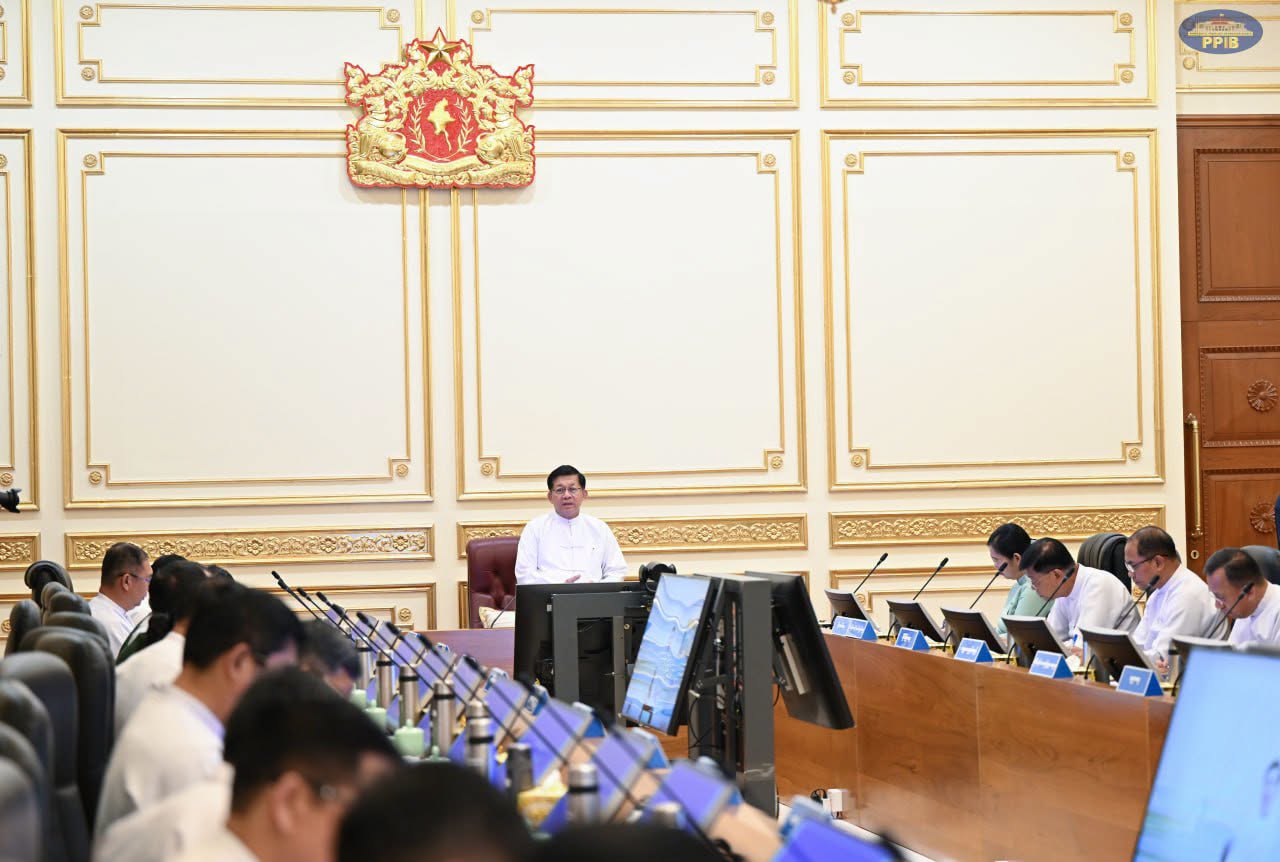
Last month, military leader Min Aung Hlaing ended a four-year state of emergency and appointed himself acting president ahead of promised elections, a move widely seen as an attempt to consolidate power.
The IIMM’s mandate extends to atrocities committed since 2011, including the military’s 2017 campaign against the Rohingya Muslim minority, which drove hundreds of thousands into Bangladesh. The mechanism is also aiding international legal proceedings, including cases in the United Kingdom.
However, the report warns that ongoing budget cuts at the UN threaten to undermine its ability to gather and preserve crucial evidence. These financial pressures threaten the Mechanism’s ability to sustain its critical work and to continue supporting international and national justice efforts, it said.
If the IIMM’s operations are curtailed, experts fear that key evidence could be lost, perpetrators could evade accountability, and victims’ stories may never be formally recognized in court, potentially allowing a culture of impunity to deepen in Myanmar.