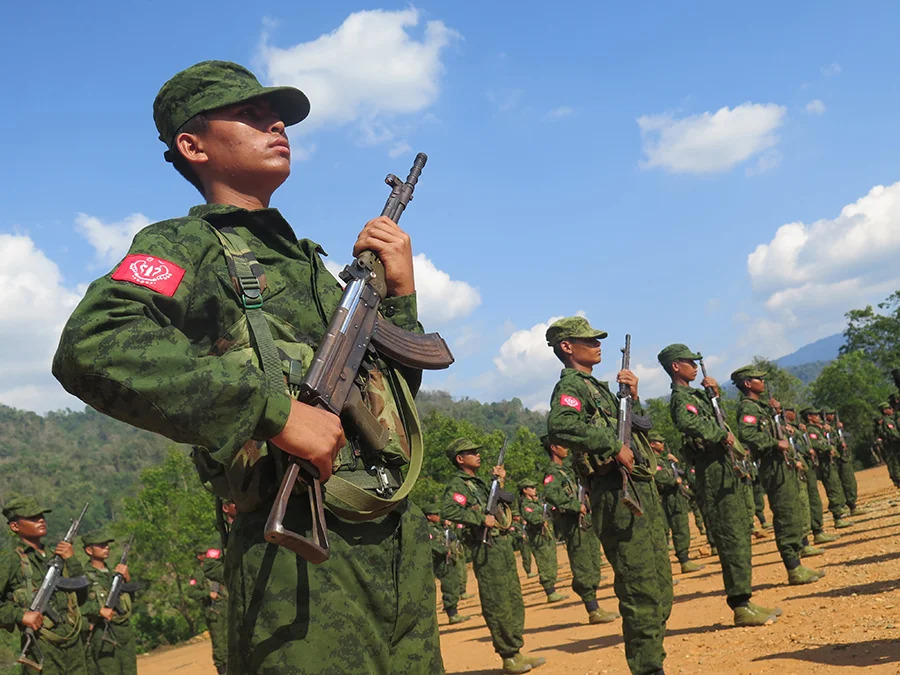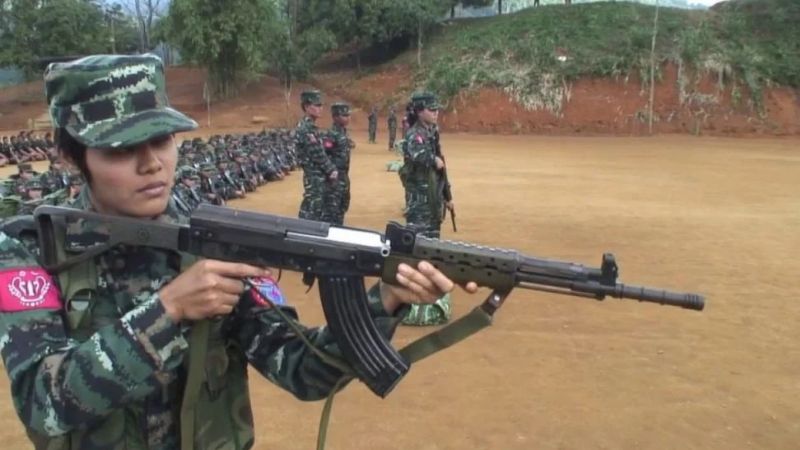
The UN Independent Investigative Mechanism for Myanmar (IIMM) is looking into allegations of atrocities committed by the Arakan Army (AA) against the Rohingya in Rakhine state, a senior UN official confirmed on Sunday (March 1). The probe is part of the UN’s broader efforts to collect evidence of serious international crimes in Myanmar, regardless of the perpetrators’ affiliation.
Nicholas Koumjian, head of the IIMM, emphasized that the mandate of the UN investigation team is to document crimes committed by any group against any victims.
"So, of course, the Arakan Army and any other force, it's very important we'd look at any evidence that shows that they have committed serious international crimes," Koumjian said.
The UN has formally requested information from the Arakan Army regarding allegations of human rights violations. However, Koumjian revealed that the group has yet to respond. "They told us they would respond, but we have not received any response. We're awaiting that. We'll be sending more requests to them for more information."
Growing Concerns Over Worsening Violence
The UN official painted a grim picture of the ongoing violence in Myanmar, highlighting an increase in serious crimes.
"We've seen bombings that are affecting civilians all over the country, very serious attacks on targets that don't appear to be military in nature. We've also seen crimes in detention, including sexual violence and torture of people," he stated.
While Myanmar’s military junta has been widely accused of war crimes, Koumjian acknowledged that other groups, including ethnic armed organizations, have also been implicated in severe human rights violations. "Obviously, aerial bombings are done by the military authorities. But we've seen, unfortunately, evidence of very serious crimes committed by other groups in Myanmar, and this also falls within our mandate," he added.
Arakan Army Must Avoid Junta's Brutality
The Arakan Army, originally formed as a resistance group against the military dictatorship, has garnered support from many in Rakhine for its fight for greater autonomy. However, if allegations of abuses against the Rohingya and other civilians prove true, the AA risks losing legitimacy in the eyes of the international community.
By allegedly adopting tactics similar to those of the Myanmar junta—including civilian attacks and potential ethnic violence—the Arakan Army could undermine its own cause. Human rights abuses would not only invite international condemnation but could also erode support from local and global allies who have backed its struggle for self-determination.
Unlike the junta, which faces widespread sanctions and isolation, the Arakan Army still has the opportunity to distance itself from war crimes. Upholding human rights and ensuring that all ethnic groups, including the Rohingya, are protected under its governance could strengthen its credibility as a legitimate political force.
International Pressure on Armed Groups
Koumjian reiterated that the UN is closely monitoring all actors in Myanmar’s conflict, sending a clear message to potential perpetrators that accountability will follow.
"We want all players, all participants in the conflict in Myanmar to know we exist. There's a body watching, collecting evidence of these serious international crimes, and one day we're seeking justice for these crimes," he warned.
The international community has long called for accountability for atrocities in Myanmar, particularly those committed against the Rohingya. With growing scrutiny on ethnic armed groups, the Arakan Army faces a critical decision: either align itself with democratic and humanitarian principles or risk being placed in the same category as the military junta it has long opposed.
BOB Post