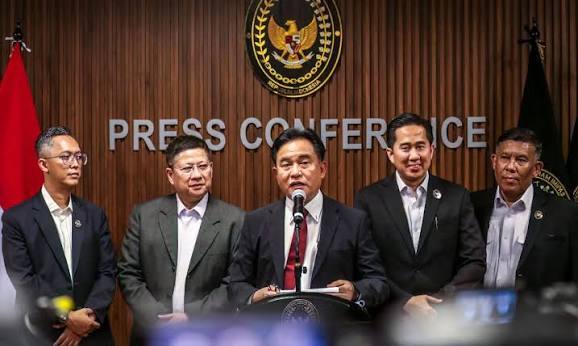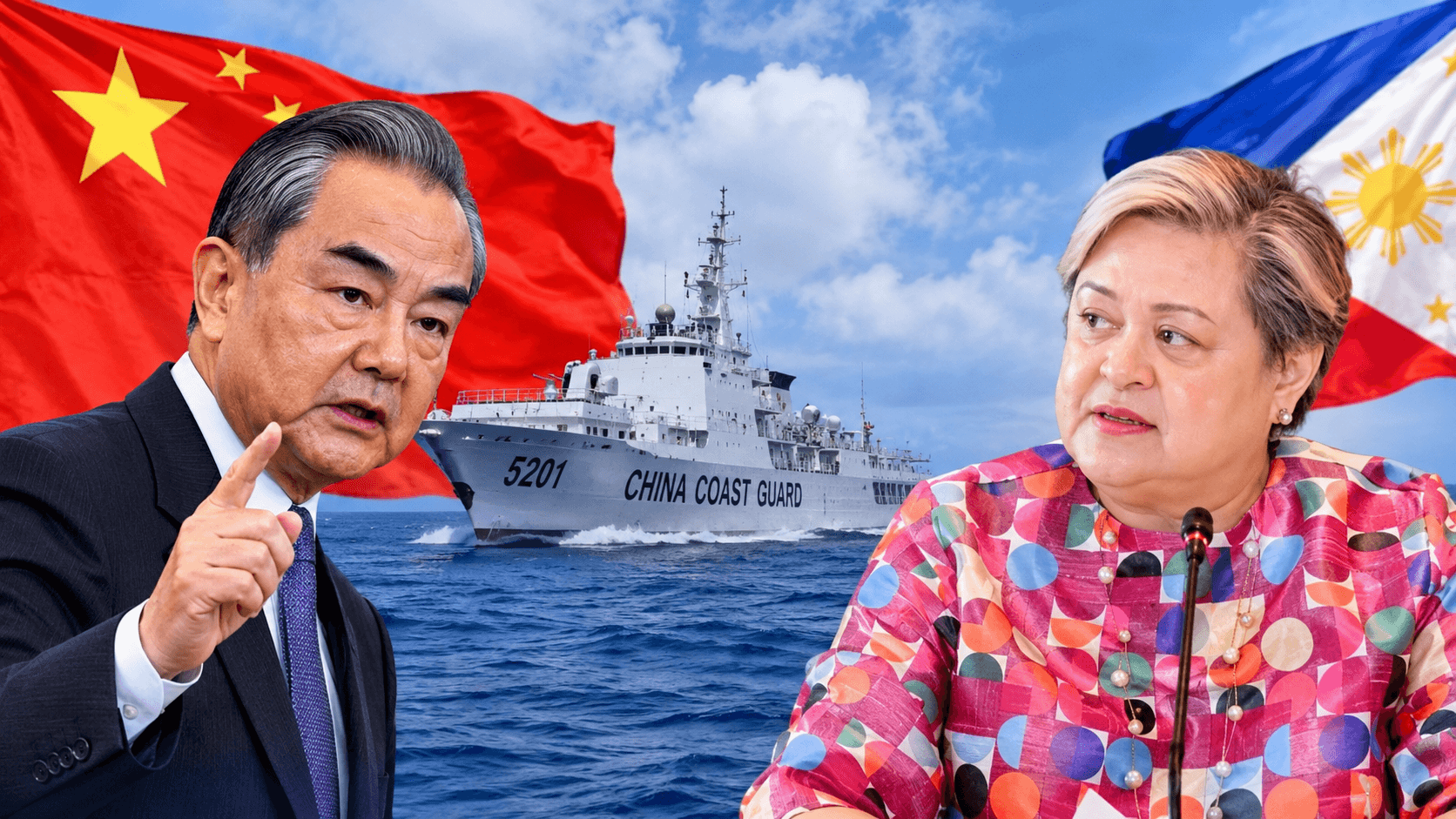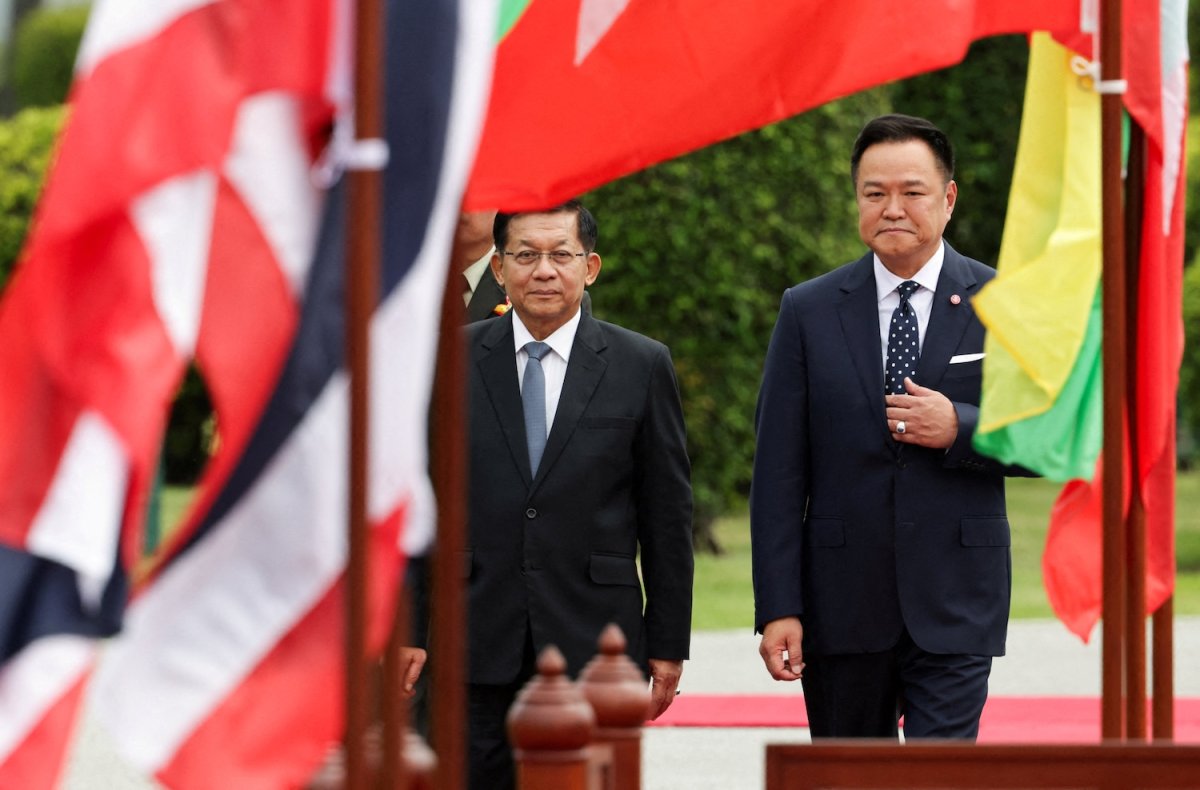
Thailand’s Foreign Minister Sihasak Phuangketkeow will visit Myanmar on November 12, as Bangkok pushes for greater engagement with its conflict-hit neighbour ahead of the upcoming ASEAN summit in Manila.
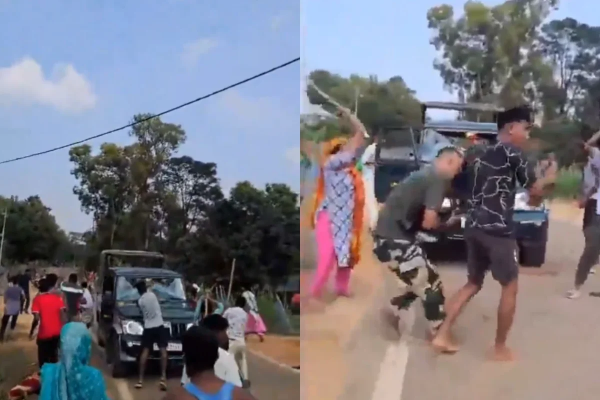
The visit comes amid renewed tensions along the Thai-Myanmar border, where clashes between Myanmar’s military and ethnic armed groups reportedly damaged property and injured a Thai civilian on Thai territory. Thailand has since tightened security along its western frontier.
Sihasak said Bangkok wanted to hear Myanmar’s latest position on the conflict before the November 16-18 summit. He is scheduled to meet Myanmar Foreign Minister Tin Maung Swe, while a meeting with military leader-turned-president Min Aung Hlaing is also being arranged.
“De-escalation by all parties will help create a conducive atmosphere for essential dialogue and the peace process,” Sihasak said, adding that progress could influence ASEAN’s decision on Myanmar’s participation in regional meetings.
Myanmar’s political leadership has remained excluded from high-level ASEAN meetings since the 2021 military coup that ousted Aung San Suu Kyi and triggered a nationwide civil war. The country is expected to send a senior civil servant to the Manila summit instead.
According to Arab News, however, ASEAN’s response to Myanmar’s crisis faces a deeper institutional weakness. In an opinion article published on November 4, Dr Azeem Ibrahim argued that the bloc’s rotating annual chairmanship undermines diplomatic continuity, as each new chair effectively inherits the responsibility of rebuilding relationships and engagement. He called for a permanent Myanmar envoy backed by a dedicated team to maintain dialogue and coordinate long-term efforts.
Thailand has increasingly pursued direct engagement with Myanmar’s leadership. Bangkok hosted a meeting between Tin Maung Swe and several ASEAN foreign ministers in July, while Min Aung Hlaing visited Thailand in August and held talks with Prime Minister Anutin Charnvirakul.
The latest diplomatic push comes as ASEAN continues to struggle to implement its Five-Point Consensus, adopted in 2021 to address Myanmar’s political crisis. More than five years later, violence continues, territorial control remains fragmented and the bloc has yet to secure a credible political settlement.
BOB Post