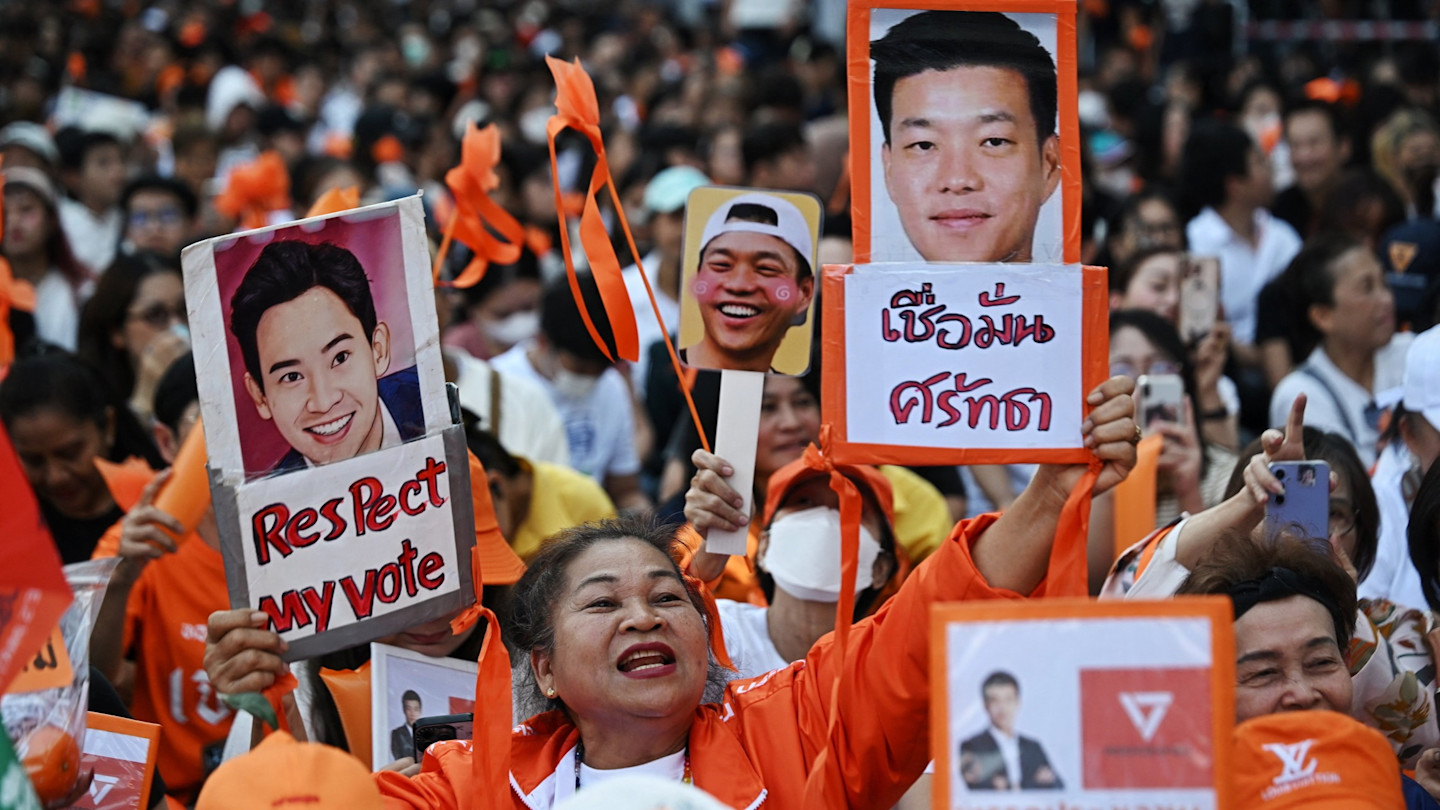
As Thailand gears up for its crucial general election on February 8, a growing number of voters in rural heartlands are rejecting traditional cash-for-vote politics and calling for more sustainable, policy-driven change. Many say they have grown weary of populist handouts that offer temporary relief but fail to address long-term economic challenges.
For street food vendor Benjaporn Maigate, 55, the flood of money in her hometown of Chiang Rai has become a familiar election-season sight. “There’s a lot of money being thrown around to buy votes, but I believe everyone must rely on themselves rather than wait for handouts,” she said, stressing that real help should focus on reducing the cost of living — especially electricity and fuel. “If someone tries to buy our vote, we shut the door on them completely,” she laughed.
Similar sentiments echo across the northeastern province of Ubon Ratchathani, where farmer Rungnapa Kongsui, 47, said short-term giveaways are no substitute for sustainable development. “The happiness from cash handouts lasts only a short time,” she said. “But if you help us with jobs, training, or access to markets, people will remember that forever.”

Once strongholds of Pheu Thai, the north and northeast collectively known as Isan remain Thailand’s key electoral battlegrounds. Together, these 29 provinces account for 170 of the 500 parliamentary seats and nearly 25 million eligible voters. Yet, loyalty is shifting as more citizens question the effectiveness of populist schemes and demand policies that tackle structural problems.
According to Asia News Network, analysts say this trend reflects growing political maturity among rural Thais, who are increasingly critical of short-term campaign pledges and more concerned about transparency, economic stability, and agricultural innovation.
Farmer Saksayam Lakkan, who once worked in South Korea’s food sector before returning home, said what people need most is not debt forgiveness or subsidies, but opportunity. “If the government actually promoted technology and educated young farmers, we could develop and have a better life,” he said.
Alongside the parliamentary race, voters will also decide whether to amend Thailand’s 2017 Constitution, drafted under the military junta after the 2014 coup. The charter has long been criticised for entrenching unelected power and allowing appointed senators to influence the judicial and legislative process. Even if the February referendum succeeds, experts warn that passing a new constitution could take years and face resistance from entrenched elites.
Meanwhile, the newly formed People’s Party, born from the ashes of the dissolved Move Forward and Future Forward parties, has reignited hopes for democratic reform. Its leader Natthaphong Ruengpanyawut, 38, urged citizens to “believe in the power of themselves” as this election marks the first time senators no longer have the power to vote for the prime minister.
Caretaker Prime Minister Anutin Charnvirakul and his Bhumjaithai Party have focused their campaign on nationalism and economic protectionism, pledging to raise crop prices and secure Thai markets by “closing borders to protect local products.” Analysts, however, warn that such rhetoric risks fuelling unnecessary regional tension, particularly with neighbouring Cambodia.
For Pheu Thai, still tied to former leader Thaksin Shinawatra’s legacy, the campaign has leaned heavily on populist proposals such as daily millionaire lottery draws and income top-ups for low earners. The party’s new prime ministerial candidate, Yodchanan Wongsawat, Thaksin’s nephew and a biomedical engineering professor, has promised to “harness innovation to make Thailand a leading nation on the world stage.”
As campaigning ends and nearly 53 million Thais prepare to cast their ballots, citizens like Pakpoom Phonpisit, a 44-year-old business owner, say the real hope lies in governance, not giveaways. “Policies should be practical, not just popular,” he said. “All we want is a government that acts with integrity so the country can finally move forward.”
BOB Post