Bangladesh's Refugee Relief and Repatriation Commissioner (RRRC), Mohammed Mizanur Rahman, stated on Sunday that there is no prospect of resolving the protracted Rohingya crisis without the commencement of a safe and dignified repatriation process to Myanmar.
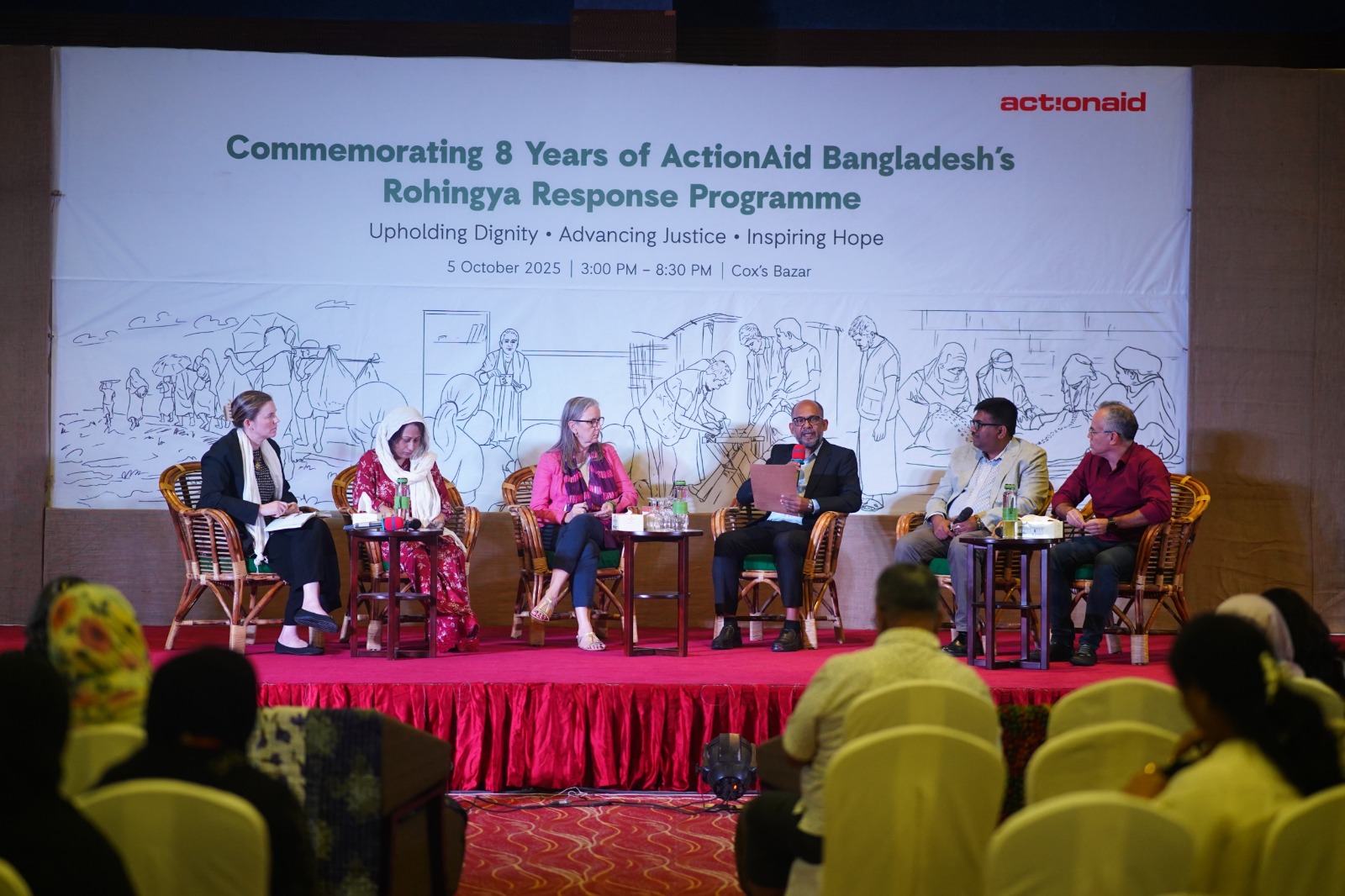
Speaking as the chief guest at an event on Sunday (October 5) organized by ActionAid Bangladesh, the RRRC emphasized that while humanitarian efforts continue, repatriation remains the only viable long-term solution. The event commemorated the eighth anniversary of ActionAid's response program for Rohingya refugees in Cox's Bazar.
"For the past eight years, the Government has been working tirelessly to resolve the Rohingya crisis," said Rahman, who is also an Additional Secretary. He highlighted recent diplomatic efforts, including two visits to the camps by Chief Adviser Dr. Muhammad Yunus, a three-day international conference, and discussions at the United Nations General Assembly.
"We are witnessing many positive changes in the Rohingya camps through our ongoing activities," he noted. "However, due to the decline in funding, the crisis has intensified. Unless dignified and safe repatriation begins, we do not see any sustainable solution to this crisis."
The program, attended by representatives from the United Nations, international agencies, researchers, and rights activists, showcased ActionAid Bangladesh’s initiatives to protect the rights and dignity of the refugees.
Farah Kabir, Country Director of ActionAid Bangladesh, underscored the need for continued international support. "There can be no compromise when it comes to humanitarian assistance. The miserable lives of the Rohingya cannot be ignored," she said. "The injustice they have faced must never be forgotten by the world, and justice must be ensured. We need a comprehensive master plan for the Rohingya response, bringing together all sectors under one coordinated approach."
The event featured two panel discussions on the "Humanitarian-Development-Peace Nexus Strategy" and "Promoting Multi-Sectoral and Integrated Approaches." Panelists, including senior officials from UNHCR, WFP, UN Women, and the Inter-Sector Coordination Group (ISCG), stressed the importance of greater investment in women and skills development for refugees. They also called for more effective community engagement in project planning and stronger coordination among NGOs.
In recognition of outstanding contributions to humanitarian support, six individuals were honored with the "Beacon of Hope Award." The recipients were Maung Solaiman Shah, Mohammed Idrish, Kazi Md. Shoeb Amran, Md. Azad Moral, Jesmin Prema, and Ummay Hafsa.
Other highlights included the screening of a documentary on ActionAid's work, a stage play titled “Hotte Thamibo” (We Shall Not Stop) performed by refugees, and an exhibition called “Camp Hope” that replicated camp conditions.
BOB Post