More than five months after United Nations Secretary-General António Guterres visited Bangladesh’s Rohingya refugee camps and vowed to accelerate the long-stalled repatriation process, no tangible progress has been made. Instead, the situation has deteriorated further, as escalating instability in Myanmar and the Arakan Army’s brutal atrocities have led to a fresh influx of newly displaced Rohingya into Bangladesh."
During his March visit to the Rohingya camps in Ukhiya, near Cox’s Bazar, Guterres had affirmed that the refugees “wish to return home” and called on Myanmar and the international community to take urgent, coordinated steps toward voluntary repatriation. He also assured maximum support from the UN to ensure that process. The interim government of Bangladesh echoed this optimism, stating at the time that repatriation would begin “very soon.”
However, since then, Bangladesh has received no concrete response from Myanmar. Instead, authorities in Cox’s Bazar report a spike in new Rohingya arrivals, fleeing renewed violence by the Arakan Army (AA), an ethnic Rakhine armed group fighting Myanmar’s military junta.

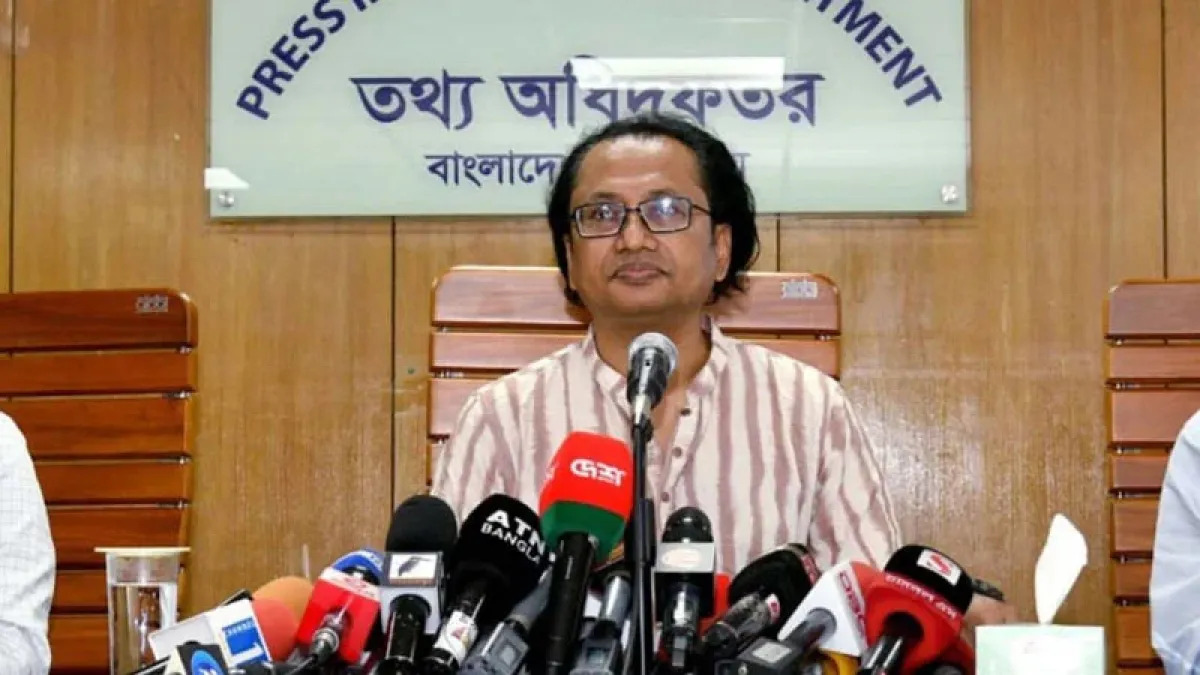
Despite repeated diplomatic efforts, Myanmar’s military government has shown little interest in cooperating. “There has been no significant progress,” said Mohammad Mizanur Rahman, Bangladesh’s Refugee Relief and Repatriation Commissioner. “We are maintaining communication with Myanmar and other stakeholders, but nothing concrete has materialized.”
Meanwhile, the economic burden on Bangladesh continues to grow. Hosting nearly 1.5 million Rohingya refugees, the government has called on development partners such as the UNHCR and World Bank to increase their support. In March, the UN launched a Joint Response Plan (JRP) for 2025–2026, appealing for nearly $1 billion in international funding. The response has been underwhelming.
In a statement made to a local news outlet, Lt. Gen. (Retd.) Md. Jahangir Alam Choudhury, adviser to Bangladesh’s Ministry of Home Affairs, stressed the urgency of greater international pressure on Myanmar. “We are trying to increase diplomatic pressure. But global cooperation is lacking. That is the core problem,” he said.
UNHCR High Commissioner Filippo Grandi also visited Dhaka in February to discuss repatriation, resettlement, and funding challenges. He praised Bangladesh for its role as a host country and pledged continued support. Yet, as the months go by, these assurances remain largely rhetorical.
There have also been proposals- quietly endorsed by both the UNHCR and the United States to relocate Rohingya refugees to a third, safe country rather than repatriating them to Myanmar. However, no concrete steps have been taken in that direction either. Earlier this year, during the World Economic Forum, a similar suggestion was tabled, urging Bangladesh’s interim government, led by Dr. Muhammad Yunus, to explore relocation as a viable option. But that plan, too, remains dormant.
Compounding the crisis, international funding for Rohingya aid is dwindling. The World Bank has raised concerns about the long-term sustainability of current efforts, especially after the U.S. Agency for International Development (USAID) scaled back its financial contributions.
With no safe conditions for return in Myanmar, no viable third-country resettlement plan in place, and diminishing humanitarian funds, the Rohingya crisis appears more gridlocked than ever. What remains is a cycle of promises and paralysis while the humanitarian burden deepens on the ground.
BOB Post