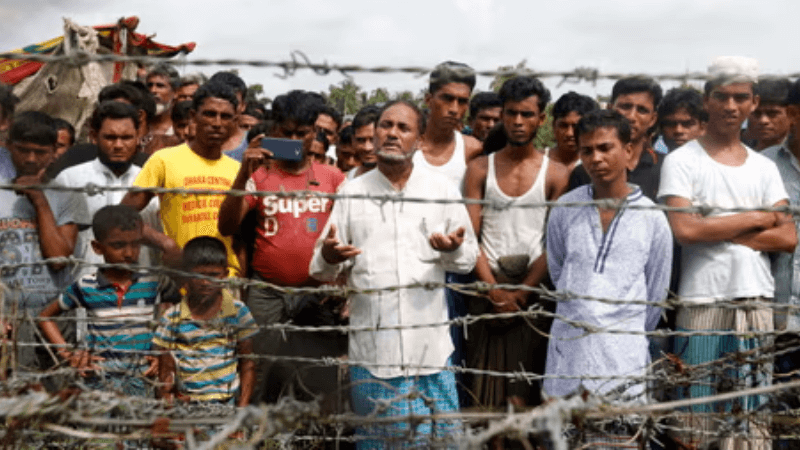
In a historic move toward self-representation, Rohingya refugees in Bangladesh’s Cox’s Bazar have begun internal elections for the first time since fleeing genocide in Myanmar in 2017. The initiative aims to form a civil society committee that will serve as the official voice of the refugee community on global platforms.
The elections, scheduled to begin today at 9am in camps July 14 to July 16, mark a significant step toward political participation and internal leadership development within the world’s largest refugee settlement, which currently hosts nearly 1.2 million Rohingyas.
According to community sources, the refugee population has been divided into eight zones across the 33 camps in the district. The goal is to elect 500 councilors through grassroots voting, from which a 30–40-member core committee will be formed. This committee will serve a three-year term and operate with a rotating leadership panel.

The newly formed body aims to represent the Rohingya population in international forums such as the United Nations, human rights conventions, and regional policy dialogues. Advocates say the move could empower the community to engage more meaningfully in decisions affecting their future, especially amid growing global concern over dwindling humanitarian aid and stalled repatriation efforts.
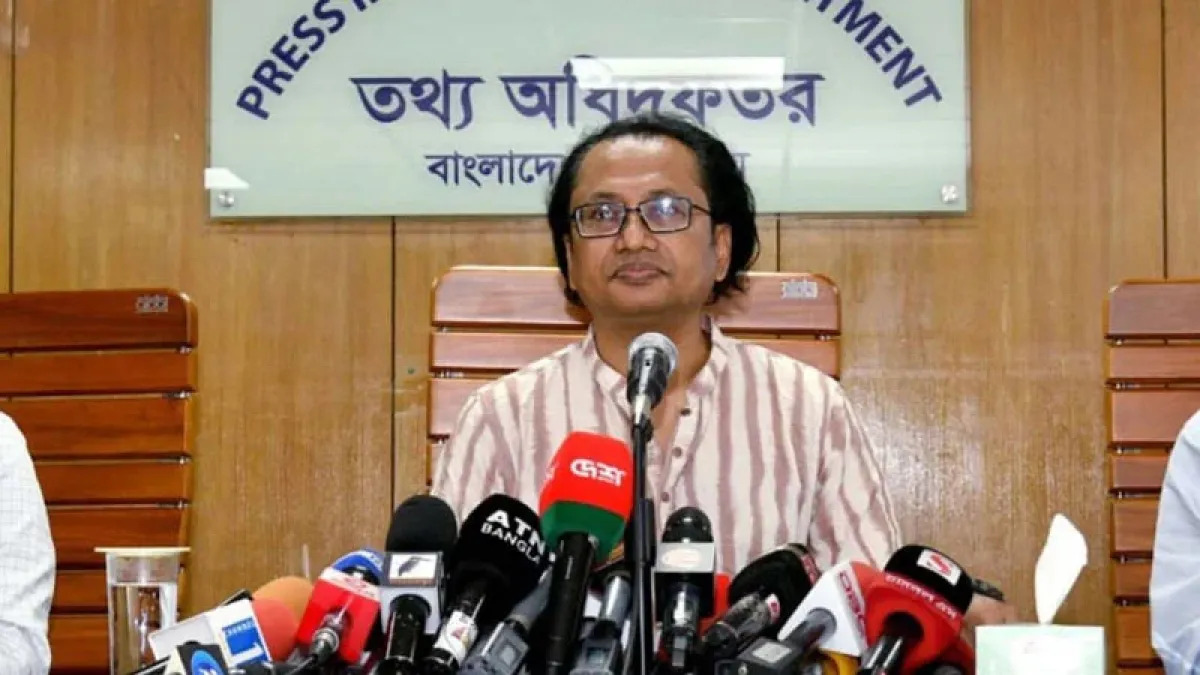
Bangladesh’s Refugee Relief and Repatriation Commissioner (RRRC), Mizanur Rahman, confirmed the initiative, saying, “ Rohingyas approached us for permission to form a civil society organization, and we have approved it. The first round of voting will take place tomorrow in one of the zones. We will remain only as observers.”
Rohingya leaders have taken charge of the election process, with polling being conducted by community members themselves. “It may be an election or a selection, depending on the number of candidates. However, we have prepared for voting,” said Mohammad Sayodullah, a leader from Camp 16.
The development comes at a time when the Rohingya crisis is approaching its eighth year, with little progress on safe repatriation to Myanmar and increasing uncertainty over long-term prospects. The election is seen as a grassroots attempt to organize and amplify the voices of a stateless population often left out of key decision-making processes.
Human rights observers and regional analysts view the move as a potential model for other displaced communities seeking representation and agency. If successful, the formation of the Rohingya civil society committee could usher in a new chapter in the ongoing struggle for justice, recognition, and eventual repatriation.
BOB Post