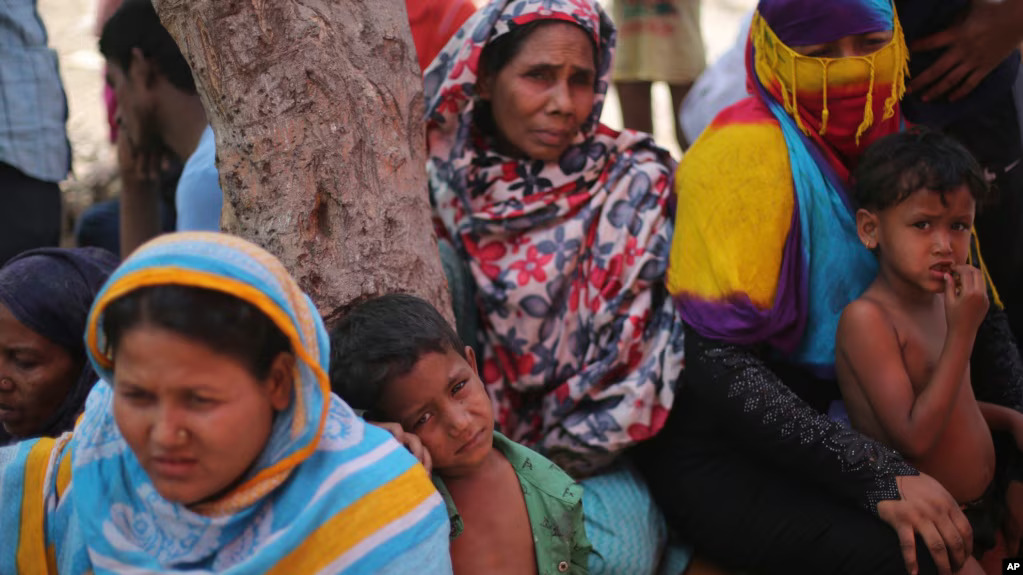
Thousands of Rohingya who fled violence in Myanmar face growing persecution in India. About 40,000 live across states like Delhi, Assam, Haryana, and Jammu & Kashmir, with only half registered with the UNHCR. India does not officially recognize them as refugees, treating them as illegal immigrants.
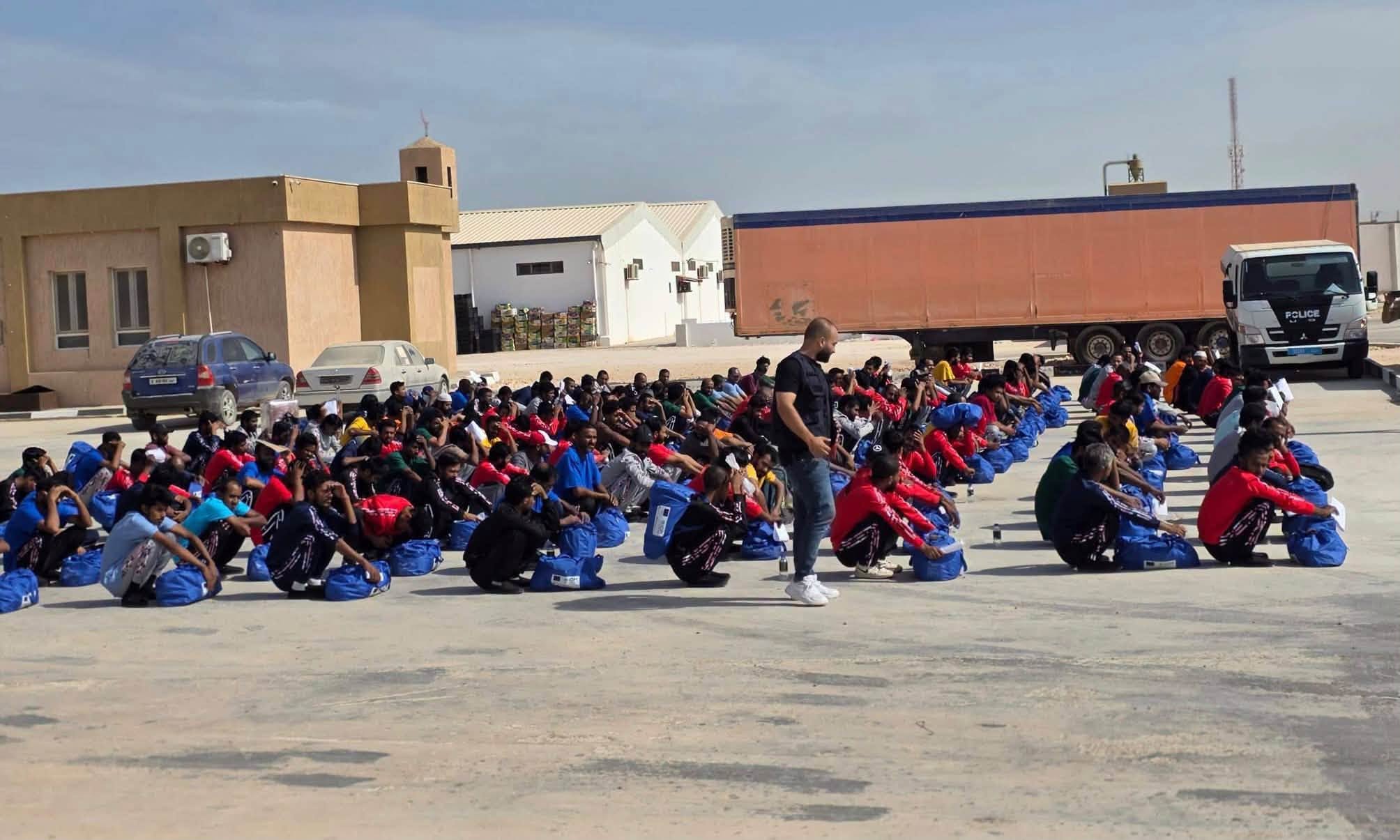
In 2025, several BJP-ruled states intensified efforts to identify and remove Rohingya. In one incident, around 40 Rohingya in Delhi were detained, flown to the Andaman Islands, and allegedly forced into the sea near Myanmar. Human rights groups called this a violation of international law, including the principle of non-refoulement. Over 100 others were expelled from Assam to Bangladesh, while hundreds remain in arbitrary detention with poor conditions and limited access to legal aid or UNHCR support.
The 2025 Immigration and Foreigners Act worsened the situation, allowing detentions and deportations without court hearings. Local tensions are high, with village councils in Haryana and other areas pressuring Rohingya to leave, citing security concerns. Access to work, education, and healthcare is restricted, and Rohingya children often struggle to continue schooling.

Many Rohingya hope to return to Rakhine State if safety and citizenship are guaranteed. Conditions in Myanmar remain dangerous due to ongoing conflict and discrimination. Bangladesh, hosting over a million Rohingya, has pushed for repatriation, but progress is stalled without credible safety guarantees.
For India, structured repatriation could reduce border tensions, strengthen ties with Bangladesh, and support regional stability. Humanitarian approaches, coordinated with UNHCR and regional actors, could prevent prolonged statelessness and exploitation. Past efforts, such as aid during the 2017 crisis and support for Rakhine development, offer a framework for safe returns.
Experts call for halting forced deportations, ending arbitrary detentions, and providing temporary protections like education, healthcare, and work rights. Long-term, India could adopt legal frameworks for refugees or ratify the 1951 Refugee Convention to align with global standards. Until Myanmar guarantees citizenship and safety, forced returns remain unlawful but proactive diplomacy could turn a humanitarian crisis into a regional solution.
BOB Post