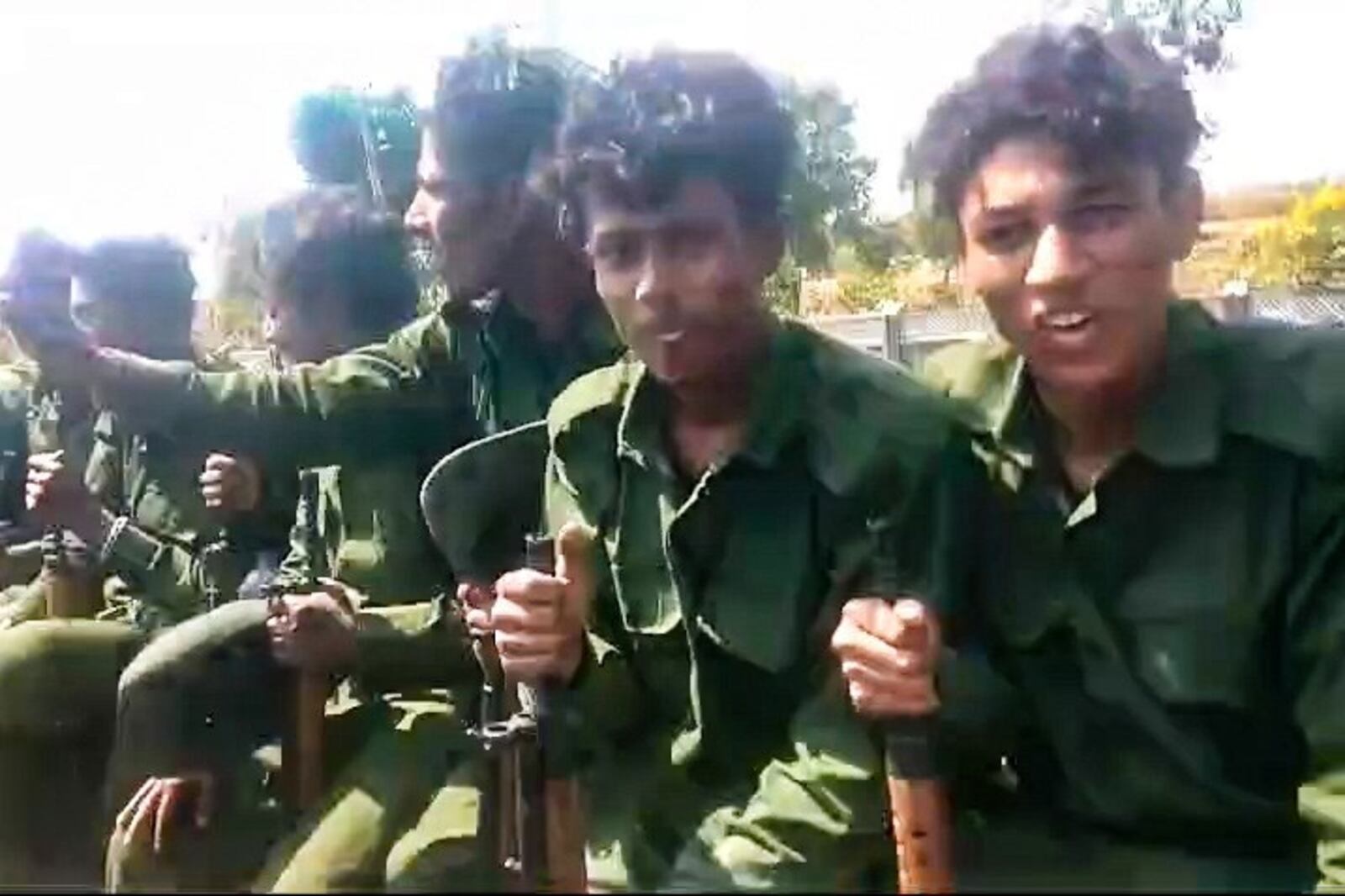
The long-persecuted Rohingya community in Myanmar’s Rakhine State is facing a terrifying new threat, trapped between the two sides of an escalating war. International human rights groups are reporting that both the Myanmar military and the powerful Arakan Army (AA) are forcibly conscripting Rohingya civilians, using them as human shields and forced laborers.
The Arakan Army, an ethnic armed group fighting for autonomy, has been systematically forcing Rohingya civilians including women into its military operations, according to reports from Human Rights Watch, Amnesty International, and Fortify Rights.
In parts of Buthidaung and Maungdaw townships, the AA has reportedly ordered each Rohingya family to provide one male and one female member for the war effort. For families already living in desperate poverty and displacement, the alternative is an impossible fine of 500,000 kyats (approximately $240).

Those who refuse or cannot pay are severely punished. Residents told local outlets they are barred from leaving their homes, forbidden to farm or fish, or are simply detained.
“This is not voluntary enlistment; it’s coercion under threat,” a Rohingya villager from Buthidaung told a local reporter, speaking anonymously for his safety.
Recruited individuals are not just being handed a gun; they are being forced into extreme danger, ordered to carry ammunition, transport supplies, dig trenches, and build bunkers in active conflict zones.
In a July report, Human Rights Watch labeled the AA's actions as "forced labor" that "may constitute war crimes."
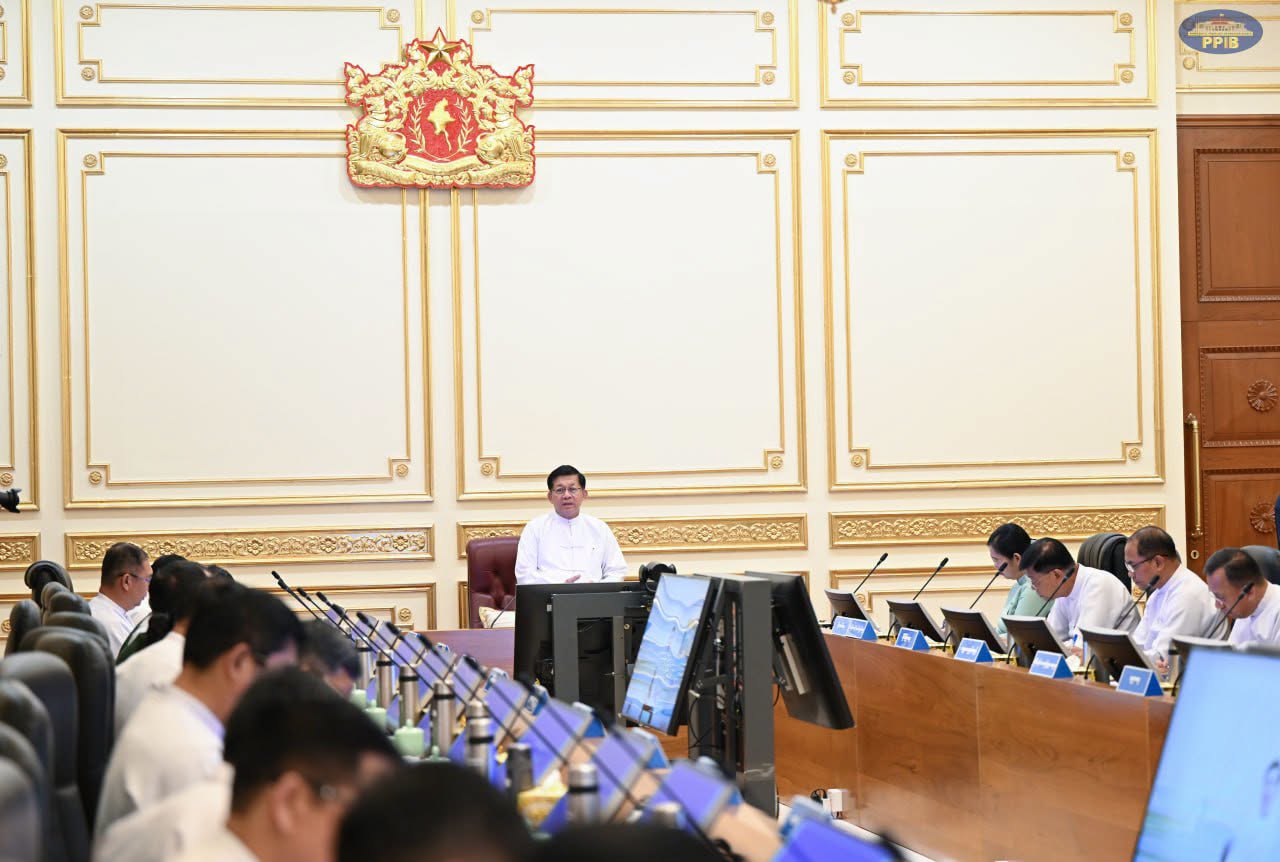
However, the report emphasizes that the Rohingya are being abused by both factions. Myanmar’s military (Tatmadaw) has long been accused of the same brutal tactics, forcing Rohingyas to act as porters and guides or using them as human shields during raids on AA positions.
“Both the Myanmar military and the Arakan Army have abused Rohingya civilians for years,” said Shayna Bauchner, an Asia researcher at Human Rights Watch. “The Rohingya are trapped between two sides that view them not as people, but as tools in their war.”
The conflict has intensified dramatically since late 2023, allowing the Arakan Army to seize significant territory and bringing thousands of Rohingya villages under its control. Meanwhile, the Tatmadaw continues to pound the region with airstrikes and ground assaults.
The United Nations reports that the fighting has displaced over 350,000 people across Rakhine and neighboring regions. Amnesty International has described the conditions in northern Rakhine as “catastrophic,” warning that any plans for repatriating Rohingya refugees from Bangladesh are now “dangerously unrealistic.”
The desperation has already sparked a new exodus. In recent weeks, hundreds of Rohingyas have fled into Bangladesh, with The Daily Star newspaper reporting that new arrivals are escaping the violence and the specific threat of forced recruitment by the AA.
“The forced recruitment of Rohingya civilians by any armed actor is illegal and reprehensible,” said Matthew Smith, CEO of Fortify Rights.
For the Rohingya, denied citizenship and subjected to decades of brutal persecution, it is a devastating and familiar trap. Once the victims of mass displacement and ethnic violence, they are now being coerced into fighting and dying in a war that offers them no rights, no protection, and no escape.
BOB Post