While Bangladesh continues to make significant efforts to manage the immense burden of hosting over a million Rohingya refugees, India remains conspicuously absent from meaningful efforts to facilitate their repatriation. Despite its regional influence and close ties with Myanmar, India has offered little assistance in resolving one of the world’s most prolonged refugee crises.
Bangladesh’s Relentless Humanitarian Efforts
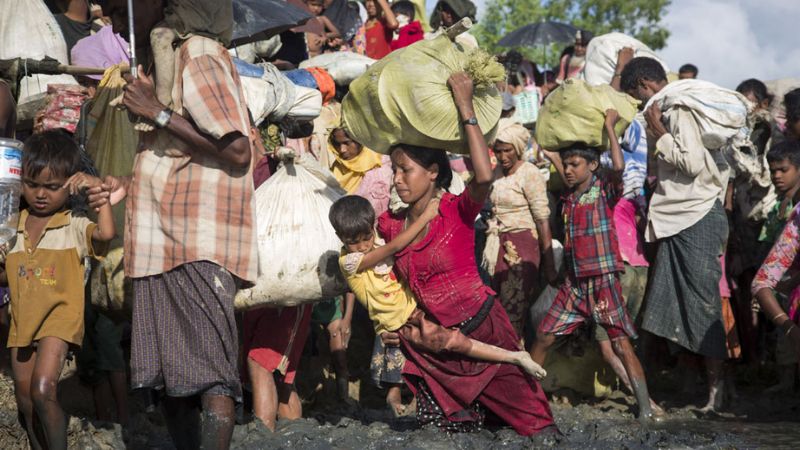
Bangladesh has been hosting Rohingya refugees since the brutal 2017 military crackdown in Myanmar’s Rakhine State, which forced nearly a million people to flee across the border. Cox’s Bazar, the world’s largest refugee camp, has become an unsustainable humanitarian pressure point, with worsening security conditions, dwindling international aid, and growing frustration among the local Bangladeshi population.
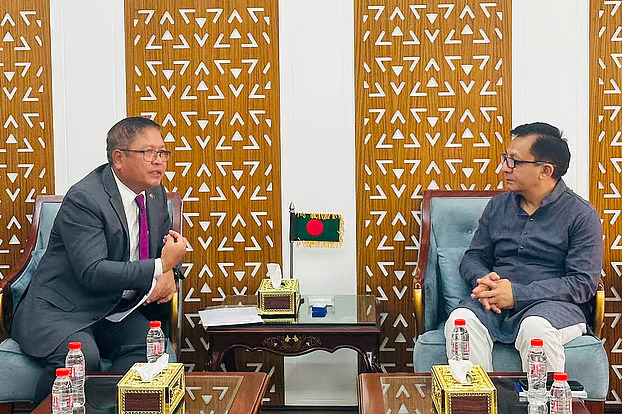
Despite these challenges, Bangladesh has tirelessly worked to provide shelter, food, and medical support to the Rohingya population. The government has sought diplomatic solutions, engaged in repatriation talks, and appealed to global leaders to ensure a safe return for the refugees. In December 2024, the UN warned that Rakhine State faces an imminent famine, further delaying any prospect of Rohingya repatriation. Meanwhile, Rohingya refugees continue to languish in overcrowded camps with limited access to healthcare, education, and employment. The international community’s attention has waned, and funding shortfalls have forced cuts in food rations, plunging thousands into deeper desperation.
India’s Neglect: Silence in the Face of Crisis
Despite being a major regional power, India has refused to play a significant role in the Rohingya repatriation process. While China has mediated talks between Myanmar and Bangladesh, India has remained largely passive, offering token statements but no real diplomatic or humanitarian intervention.
India has also taken a harsh stance on Rohingya refugees within its own borders. Instead of providing support, it has actively deported Rohingya refugees back to Myanmar, even as the military junta continues to persecute them. Reports indicate that since 2017, India has forcibly deported multiple groups of Rohingyas, violating international human rights norms.
A Strategic Choice at Bangladesh’s Expense
India’s reluctance to support Rohingya repatriation efforts is driven by a mix of domestic politics, security concerns, and geopolitical calculations. The Indian government has labeled Rohingya refugees as a security threat, citing alleged links to extremist groups. Moreover, the controversial Citizenship Amendment Act (CAA) selectively grants citizenship to persecuted minorities from neighboring countries—excluding Rohingyas, further alienating them from any legal protections.
Meanwhile, India continues to maintain strong ties with Myanmar’s military regime, supplying arms and engaging in strategic partnerships. This raises questions about whether India is deliberately avoiding pressure on Myanmar to protect its own economic and security interests, even if it comes at Bangladesh’s expense.
Bangladesh’s Ongoing Struggles and the Need for Regional Cooperation
Bangladesh, which has gone above and beyond in sheltering the Rohingya, finds itself increasingly isolated. International donors are scaling back aid, and as Myanmar’s internal conflicts escalate, repatriation remains a distant dream. Dhaka has repeatedly urged global powers—including India—to exert pressure on Myanmar for a sustainable solution, but these calls have largely gone unanswered.
As India distances itself from the crisis, Bangladesh is left to bear the consequences. The economic strain, rising security risks, and mounting frustration among host communities threaten to destabilize the region. Without meaningful intervention and cooperation from regional powers, the Rohingya crisis will continue to fester, with Bangladesh carrying the heaviest burden.
BOB Post